President Trump has portrayed U.S. munitions stocks as abundant, but congressional testimony and CSIS analysis show notable drawdowns in long-range missiles and interceptors. CSIS warns more than half of some prewar inventories may have been used, and rebuilding could take one to four years. Pentagon leaders say scaling production of high-end weapons may take one to two years and have pushed industry agreements and a large budget request to accelerate replenishment.
Ceasefire Buys Time but Exposes Multi-Year Shortfall in U.S. Missiles and Interceptors
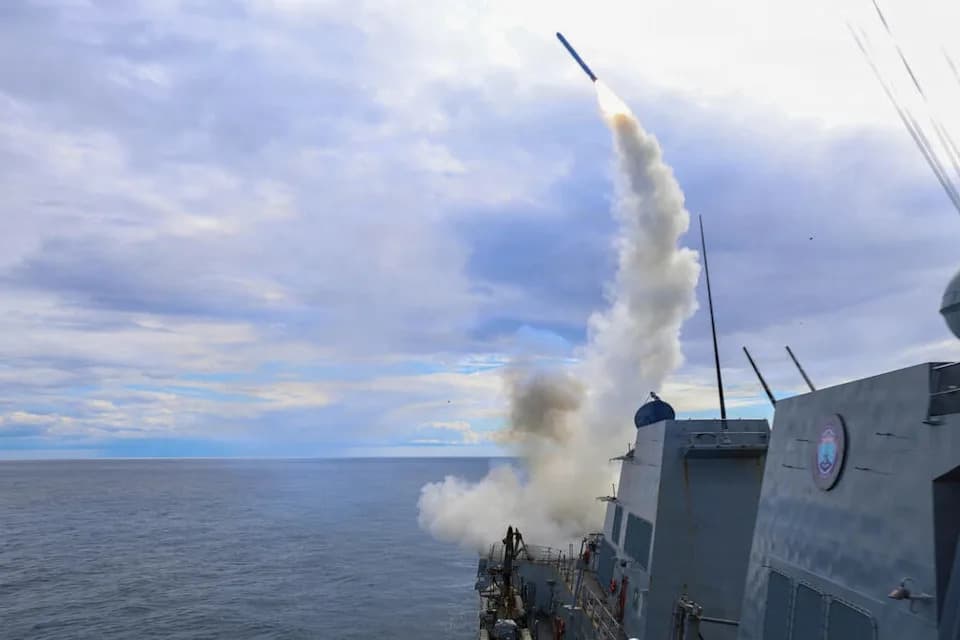
This image provided by U.S. Central Command shows the Arleigh Burke-class guided-missile destroyer USS Thomas Hudner firing a Tomahawk Land Attack Missile in support of Operation Epic Fury, on March 1, 2026. / Credit: U.S. Navy via AP
Days after the United States launched a campaign against Iran, President Trump sought to reassure the public and troops by saying the U.S. had a "virtually unlimited supply" of munitions and could fight "forever." But congressional testimony and independent analysis point to a different picture: the United States retains advanced military capabilities, yet many of those systems are finite and replenishing them will take years.
What Is At Risk
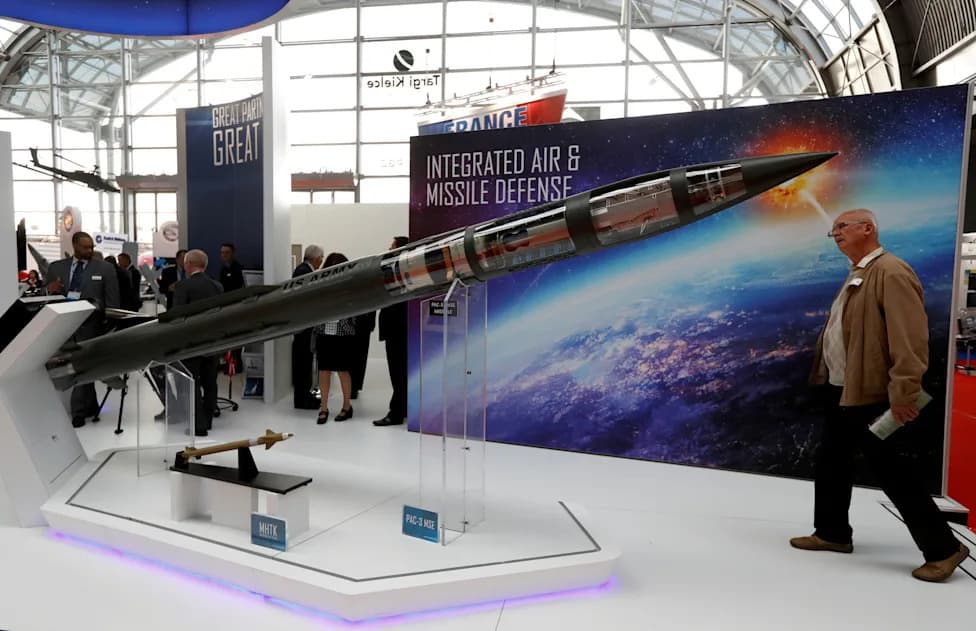
Analysts and Pentagon witnesses have raised particular concern about long-range strike missiles and interceptor munitions. The Center for Strategic and International Studies (CSIS) found the U.S. "may have expended more than half of the prewar inventory" of at least four critical munition types, including Tomahawk cruise missiles. While CSIS added that current stocks are sufficient for the present conflict under most scenarios, it warned the real risk is for future wars.
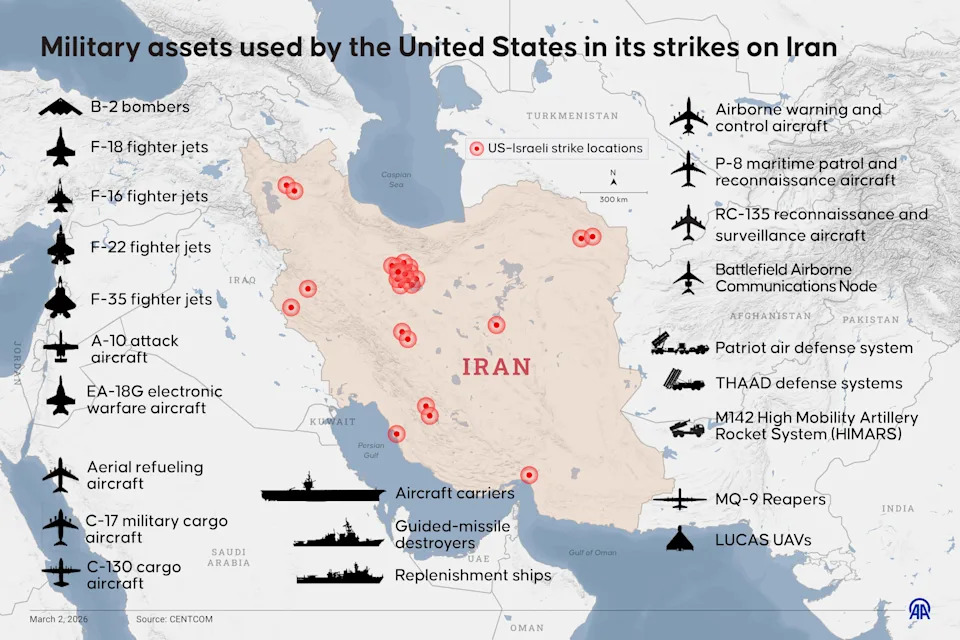
An infographic on military assets used in the early days of the U.S.'s conflict with Iran, as of March 2, 2026. / Credit: Murat Usubali/Anadolu via Getty Images
Production Timelines and Industrial Limits
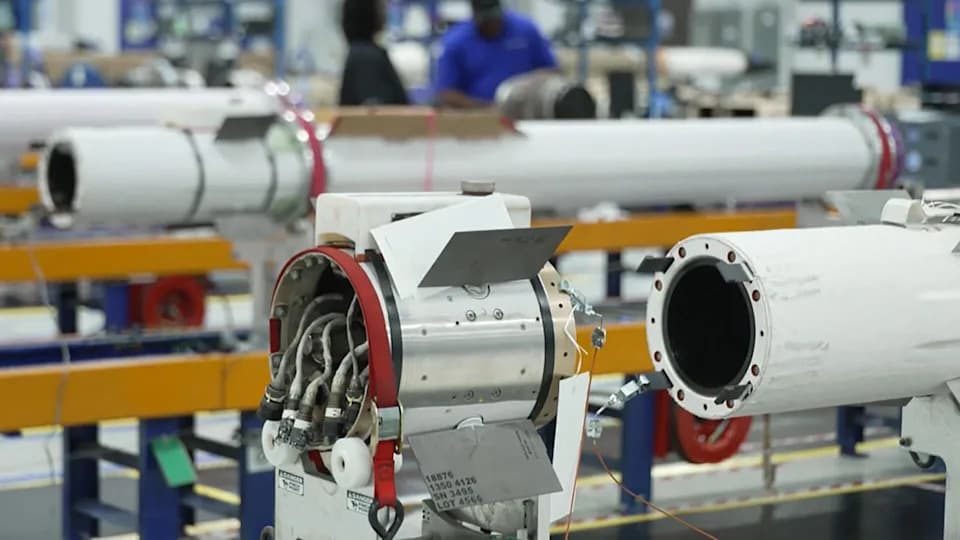
Adm. Samuel Paparo, commander of U.S. Indo-Pacific Command, told the Senate Armed Services Committee that expanding production of high-end systems such as the Tomahawk or the AGM-158 JASSM will likely take one to two years for major contractors to scale up—timelines that "won't be soon enough" for near-term needs. CSIS estimated rebuilding to prewar levels could take from one to four years as missiles already in the industrial pipeline are delivered.
"There are finite limits to the magazine," Paparo said, while stressing that munitions are being employed judiciously and that the Pentagon is pursuing industrial and supplier solutions.
Policy Responses and Industry Moves
The White House convened defense executives in early March and said companies agreed to increase production of so-called "exquisite" weapons. The Pentagon has signed framework agreements to boost output of Terminal High Altitude Area Defense (THAAD) components, Precision Strike Missiles and other critical parts, and requested more than $70 billion in its budget to procure missiles and related equipment—nearly triple last year’s request.
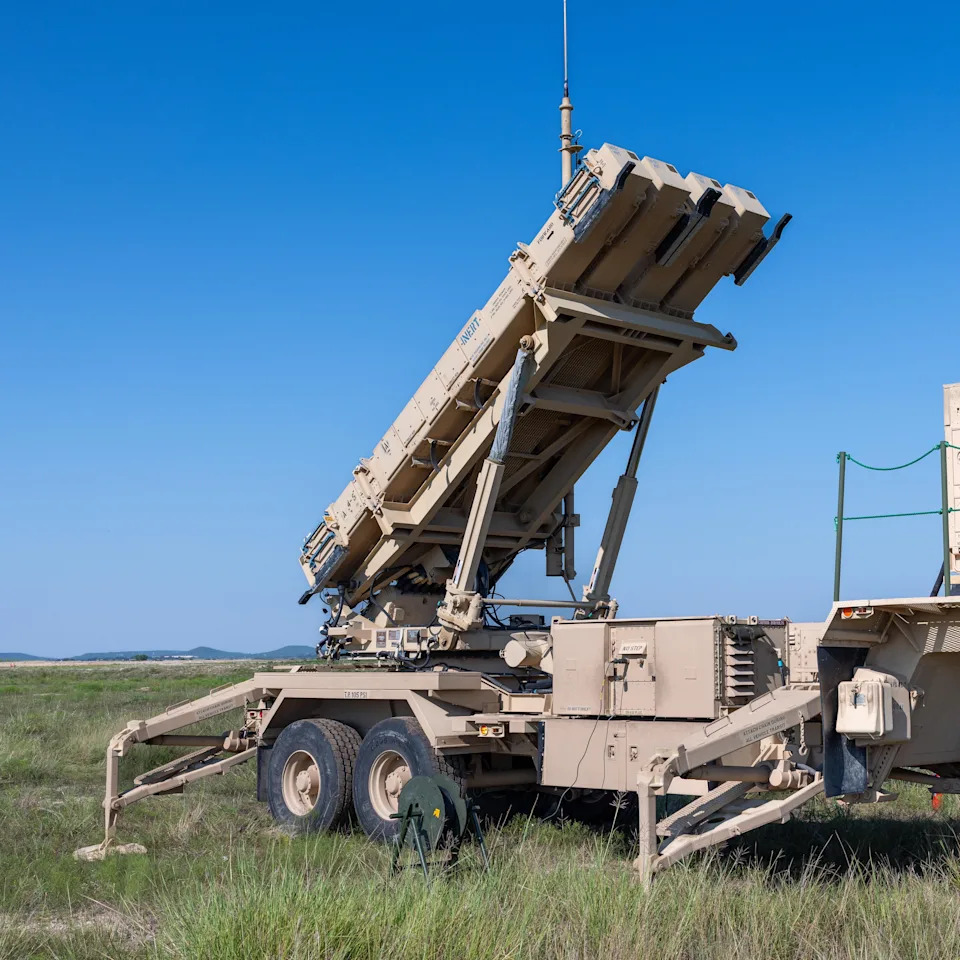
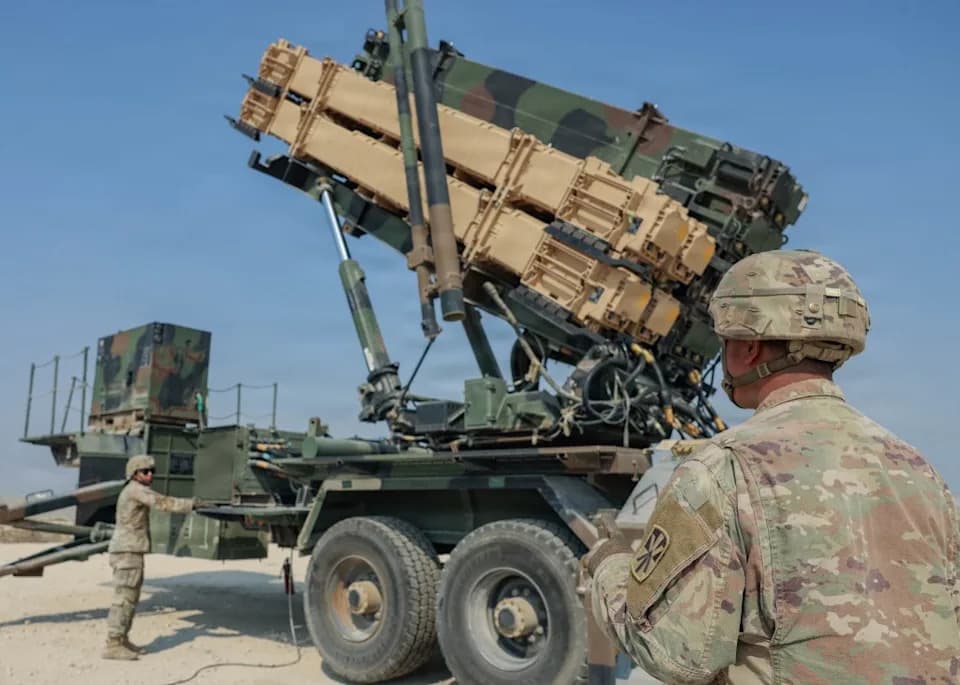
Soldiers from the army 69th Air Defense Artillery Brigade conduct a full Patriot missile system setup during field operations at Fort Cavazos, Texas, on Sept. 3, 2025. / Credit: Capt. Russell Shirley-Jones
Michael Duffey, the under secretary of defense for acquisition and sustainment, framed these agreements as demand signals meant to encourage long-term factory investment: "By empowering industry to invest in the factory floor, we are building a decisive and enduring advantage for our warfighters to outpace any potential adversary."
Regional Trade-Offs
Because the same classes of munitions are needed across multiple theaters, commanders have made hard choices about allocations. Air-defense interceptors, for example, are necessary in the Middle East, Europe and the Indo-Pacific. Sen. Jack Reed and others noted significant force posture shifts — from carrier strike groups to missile defenses — to support operations in the Middle East.
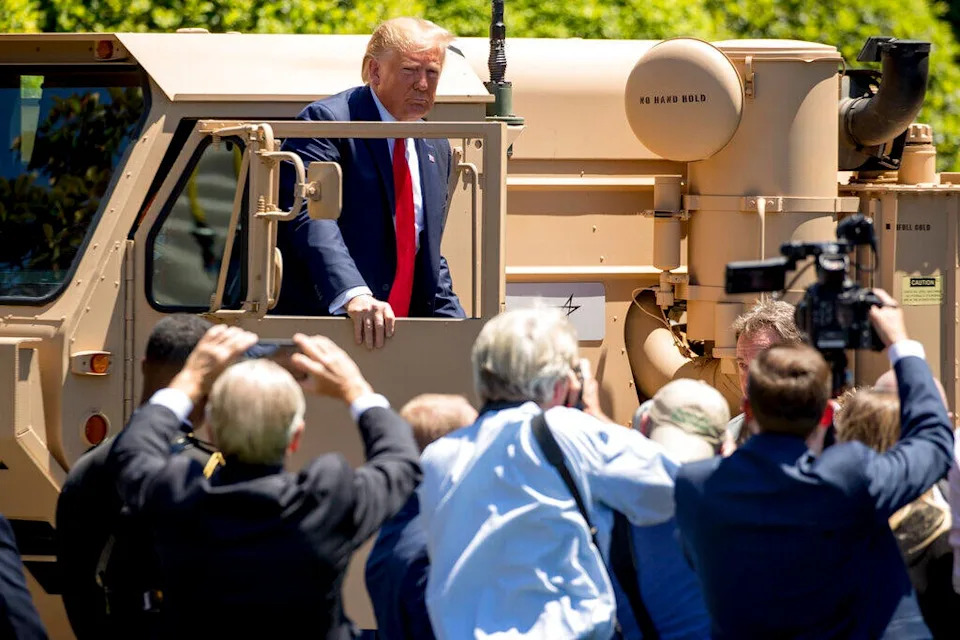
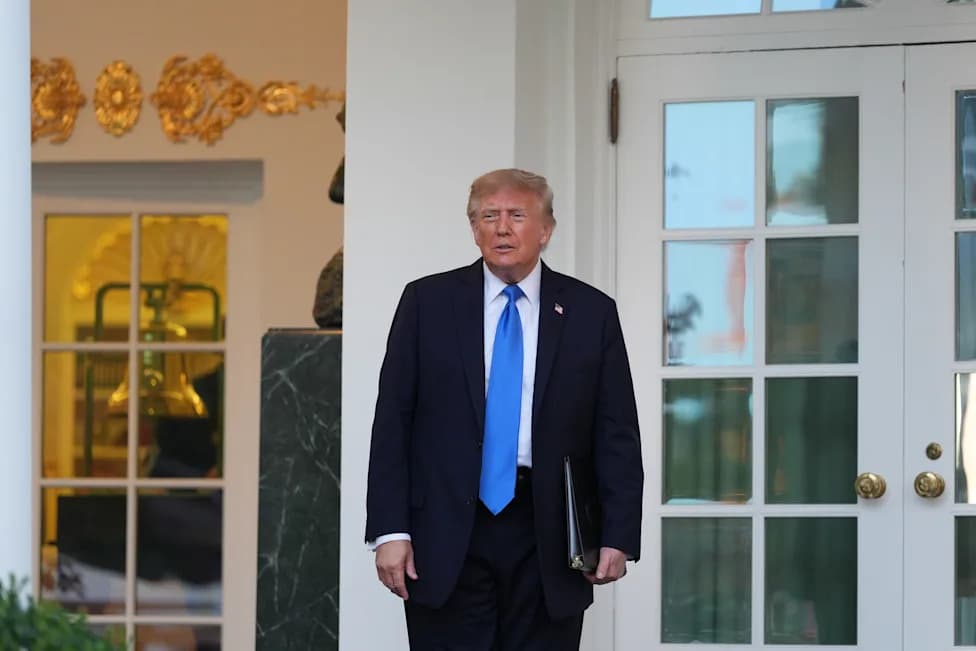
President Trump gets out of the driver's seat of Lockeed Martin Terminal High Altitude Area Defense (THAAD) anti-ballistic missile defense system during a Made in America showcase on the South Lawn of the White House on July 15, 2019. / Credit: Andrew Harnik / AP
Army Gen. Xavier Brunson said whole THAAD batteries remain on the Korean Peninsula, though some munitions and radar elements were forwarded in advance of the operation codenamed Midnight Hammer and have not yet returned, illustrating how materiel intended for one region can be reassigned.
Outlook
The ceasefire extension gives the U.S. time to re-arm and manage immediate needs, but long-term resilience depends on sustained industrial investment, faster production scaling, diversified suppliers and time to rebuild stockpiles. The United States remains highly capable, but defending that edge across simultaneous, high-end conflicts will require years of steady rebuilding.
Key quotes:
President Trump: "We've never had so much ammunition."
Adm. Paparo: "It won't be soon enough. There are finite limits to the magazine."
CSIS: "Rebuilding to prewar levels…will take from one to four years as missiles in the pipeline are delivered."
Help us improve.