State pollster VTsIOM says Vladimir Putin's approval has fallen to 65.6% after seven straight weekly declines, the lowest reading since the February 2022 invasion of Ukraine. Trust in him also dropped to 71% from above 77%. Observers point to early-2024 economic contraction and growing public frustration over mobile internet, messaging app and VPN restrictions as likely contributors. A parliamentary election is due by late September amid renewed calls for change.
Putin's Approval Drops to 65.6% — Lowest Since Pre-Ukraine Invasion, State Pollster Says
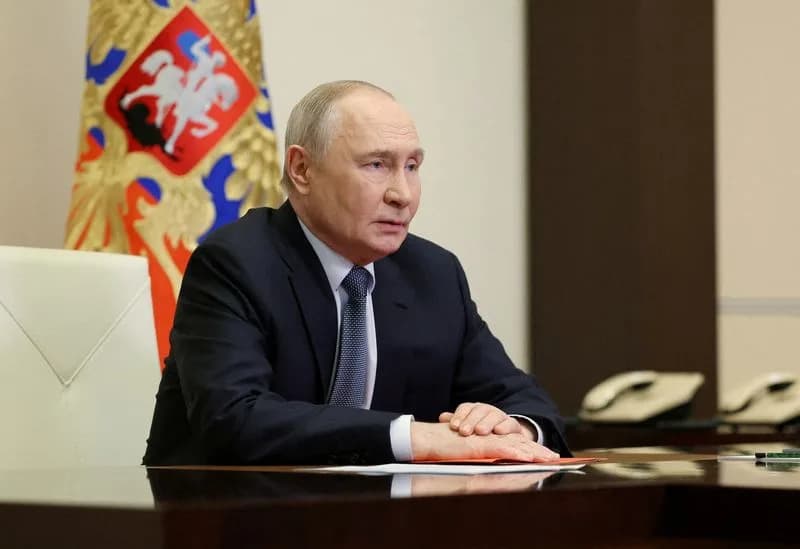
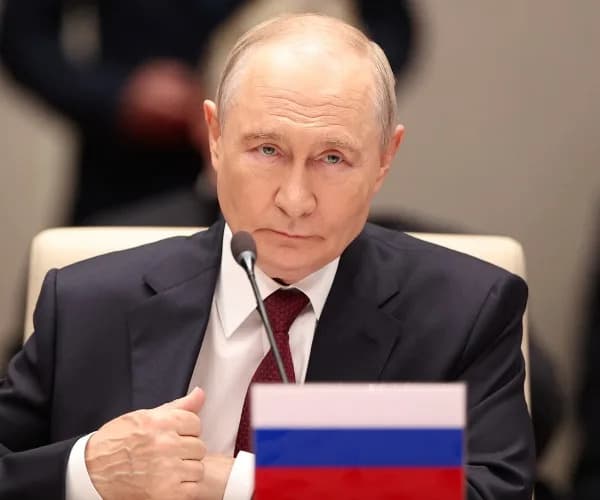
FILE PHOTO: Russian President Vladimir Putin chairs a meeting with members of the Security Council via a video link at the Novo-Ogaryovo state residence outside Moscow, Russia, April 17, 2026. Sputnik/Pool via REUTERS/File Photo
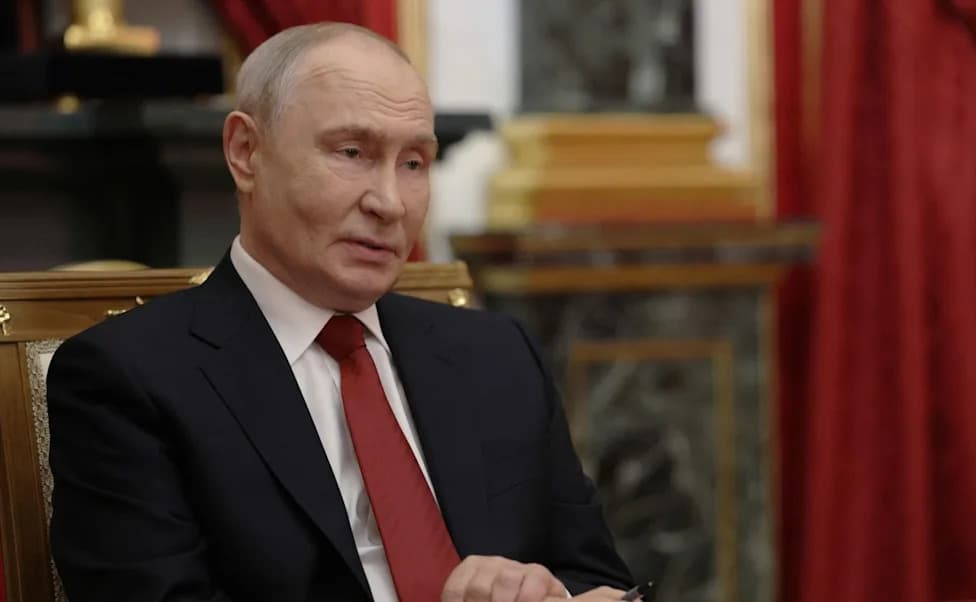
MOSCOW, April 24 — Russian President Vladimir Putin's approval rating has declined for a seventh consecutive week to 65.6%, the state pollster VTsIOM said, marking the lowest level recorded since the February 2022 invasion of Ukraine.
VTsIOM, the government-affiliated polling agency, reported that Mr. Putin's approval slipped from 73.3% in March. Public trust in him also fell to 71% from above 77% over the same period.
Appointed acting president by Boris Yeltsin in 1999 — eight years after the Soviet Union's collapse — Putin has governed Russia since 1999 as either president or prime minister. If he completes his current six-year term, he would become Russia's longest-serving leader since Empress Catherine the Great, surpassing Joseph Stalin in tenure.
Possible Drivers Of The Decline
VTsIOM did not identify a single cause for the drop in support. Analysts and public commentary point to several likely contributors:
- Economic Weakness: Putin asked top officials last week to devise measures to jump-start the economy after output contracted in the first two months of 2024.
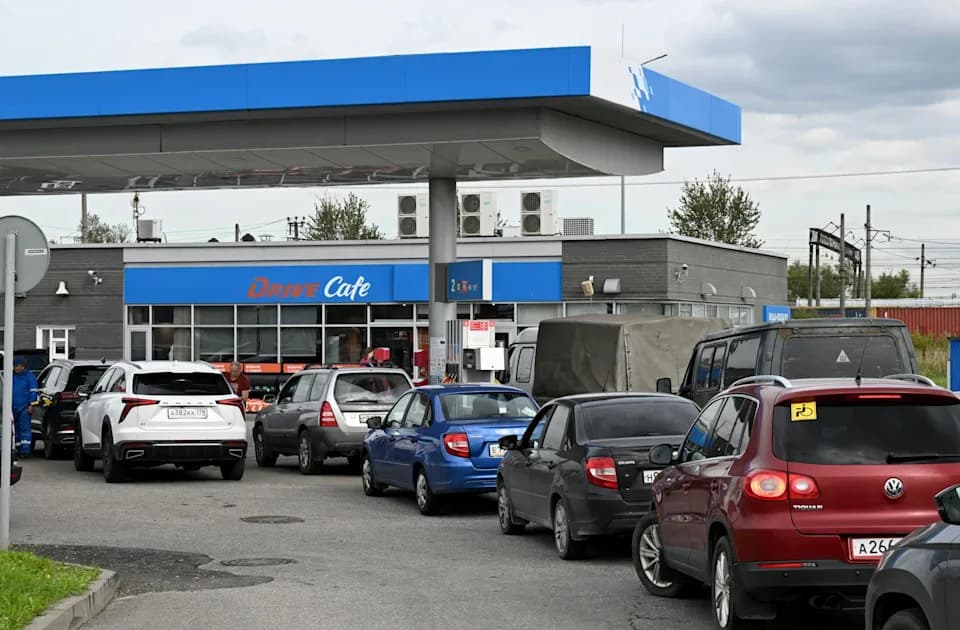
- Internet Restrictions: Recent crackdowns on mobile internet services, messaging apps and VPNs have frustrated many Russians who rely on these tools for work and communication.
- Political Climate: The broader environment of war and state controls on information has intensified debate over how freely respondents share their views with pollsters.
"Outages are necessary for security reasons," Putin said on Thursday, while urging law-enforcement bodies to use "ingenuity" to ensure vital services keep operating.
Context And Other Ratings
VTsIOM data show Mr. Putin's approval surged after the February 2022 invasion, rising to just below 80% from around 64.3%, and remained above 75% for much of the conflict, with brief dips — for example after the 2022 mobilisation announcement. The agency's latest figures list other trust ratings as: Prime Minister Mikhail Mishustin 53.8%, former president Dmitry Medvedev 36.8%, Communist leader Gennady Zyuganov 32.7% and Just Russia head Sergei Mironov 29.8%.
With a parliamentary election due by late September, several bloggers and political figures have publicly warned that change may be needed to avoid possible unrest — a message that may be gaining traction as economic and connectivity frustrations grow.
Reporting by Guy Faulconbridge; Editing by Mark Trevelyan and Gareth Jones.
Help us improve.