The Trump administration is reportedly pressing the Department of Justice to launch denaturalization proceedings against 384 foreign-born naturalized U.S. citizens, calling them the "first wave" of cases. Denaturalization can follow fraud, false statements, sham marriages or certain criminal convictions, but it is costly and historically rare. Critics warn the Justice Department's broad guidance risks overreach, mislabeling immigrants and diverting resources from other civil prosecutions.
Trump Administration Pushes DOJ to Seek Denaturalization of 384 Naturalized U.S. Citizens, Reports Say

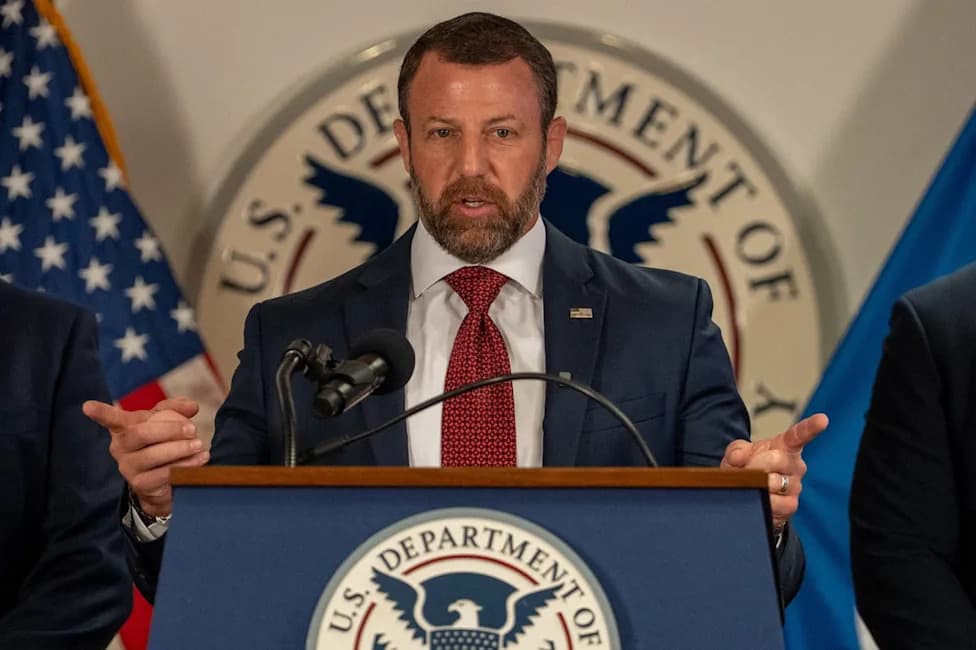
Due to the high cost and manpower it takes to pursue denaturalization, the US government infrequently pursues denaturalization cases.Photograph: Kent Nishimura/Bloomberg via Getty Images(Photograph: Kent Nishimura/Bloomberg via Getty Images)
The Trump administration is reportedly urging the Department of Justice to open denaturalization proceedings against hundreds of naturalized Americans born abroad, in what officials describe as an expanding effort to revoke citizenship where they allege it was improperly obtained, according to the New York Times.
Justice Department Identifies 384 Targets — The New York Times reports that the Justice Department has identified 384 foreign-born U.S. citizens it intends to pursue and will begin formal denaturalization actions in the coming weeks. Department leaders told staff that civil litigators in 39 regional offices will be assigned to file these cases.
What Denaturalization Means and How It Is Used
Under U.S. law, the government can ask a court to revoke naturalized citizenship when it concludes the status was obtained illegally. Historically, denaturalization has been pursued when applicants lied to immigration officials, entered into sham marriages, concealed criminal histories, or committed fraud during the naturalization process. In some instances, convictions for serious crimes also have been used as a basis for revocation.
When denaturalization occurs, the person reverts to the immigration status they held before naturalization. Because denaturalization is a civil procedure, those facing the process generally do not have a right to government-appointed counsel.
Policy Guidance, Legal Thresholds and Criticisms
Last year, the Justice Department circulated a memo directing the Civil Division to prioritize denaturalization nationwide and to add several broad categories of potential subjects. Reporting in the Guardian and other outlets noted the guidance enumerated sweeping categories, including alleged ties to terrorism and accusations of gang or cartel membership.
Critics argue the categories could be overly broad and warn of misuse. Experts point to prior episodes in which officials incorrectly labeled immigrants as gang members or targeted political activists on weak evidence. Courts require the government to prove that a person lacked the required "good moral character" or committed fraud or willful misrepresentation to justify revocation—standards shaped by a late-1960s Supreme Court ruling that narrowed politically motivated denaturalization.
Resources, Implementation and Examples
Denaturalization is resource-intensive, and federal authorities have historically pursued such cases infrequently. According to the Times, the U.S. stripped just over 120 naturalized citizens of their citizenship between 2017 and late 2025. Justice Department officials say the 384 individuals identified are only the "first wave of cases," and a top DOJ official, Francey Hakes, described the campaign as a White House initiative; a White House spokesperson told the Times the effort "isn't a White House initiative — it's federal law."
Officials have warned that diverting civil litigators to this work could draw resources away from other priorities, including health-care and other civil fraud prosecutions. The administration has already filed denaturalization suits in several recent cases, including a Marine accused of a sex offense, an Argentinian man alleged to have misrepresented his nationality, and a Nigerian man convicted of tax fraud, according to the Times.
Historical Context
Denaturalization has a long and sometimes controversial history in the United States. In the 20th century, journalists, activists and labor leaders were sometimes targeted as alleged anarchists or communists. The practice narrowed after Supreme Court limits in the late 1960s, and in recent decades the focus has shifted mainly to cases involving fraud, willful misrepresentation, or serious criminal conduct. Efforts to expand denaturalization grew under the Obama administration and accelerated during the first Trump administration, which sought reviews of large numbers of naturalization files.
Bottom line: The new push to denaturalize hundreds of people raises legal and logistical questions about standards of proof, potential overreach, and the allocation of Justice Department resources.
Help us improve.