On April 20, volunteers discovered and removed hundreds of toxic mothballs scattered on St. Pete Beach, Florida, days before the protected black skimmer nesting season begins around May 1. FWC investigators suspect the mothballs were placed intentionally to deter nesting. Volunteers and the Audubon Society collected and disposed of the mothballs, while state officials warned that outdoor use of mothballs is illegal and dangerous to wildlife and humans. Local businesses have offered rewards and the FWC investigation is ongoing.
Hundreds of Toxic Mothballs Found on St. Pete Beach Days Before Black Skimmer Nesting
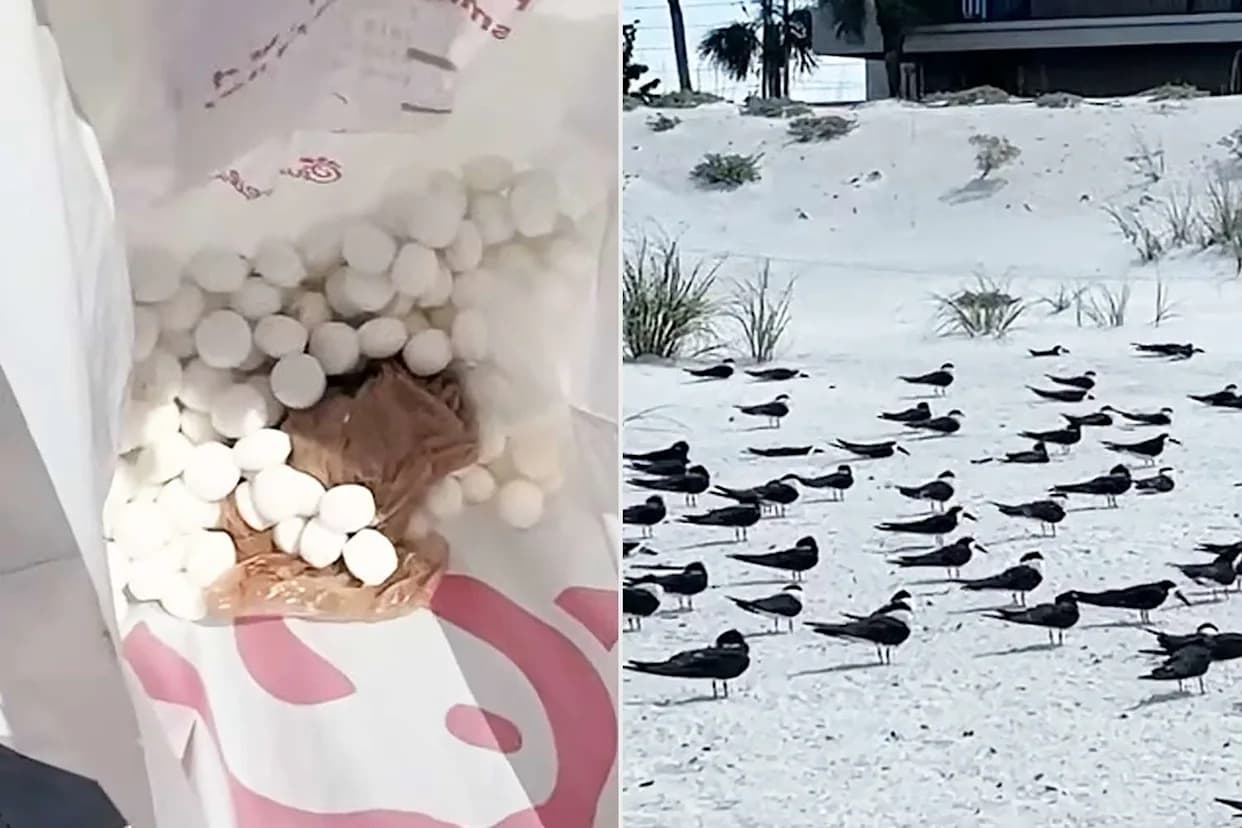
A split image showing a bag with mothballs and a beach scene with black skimmer birds on the rightCredit: 10 Tampa Bay News/Youtube
Hundreds of toxic mothballs were discovered scattered across St. Pete Beach, Florida, on April 20 — just days before protected black skimmers are expected to begin their nesting season.
The Florida Fish and Wildlife Conservation Commission (FWC) responded to a report of mothballs found near a condominium about 20 minutes west of St. Petersburg along the Gulf Coast. FWC investigators, led by senior wildlife officer Brian Ferguson, said they suspect the mothballs were placed deliberately to discourage the migratory black skimmers, a state-designated threatened and protected species, from nesting in the area. The birds typically begin nesting around May 1.
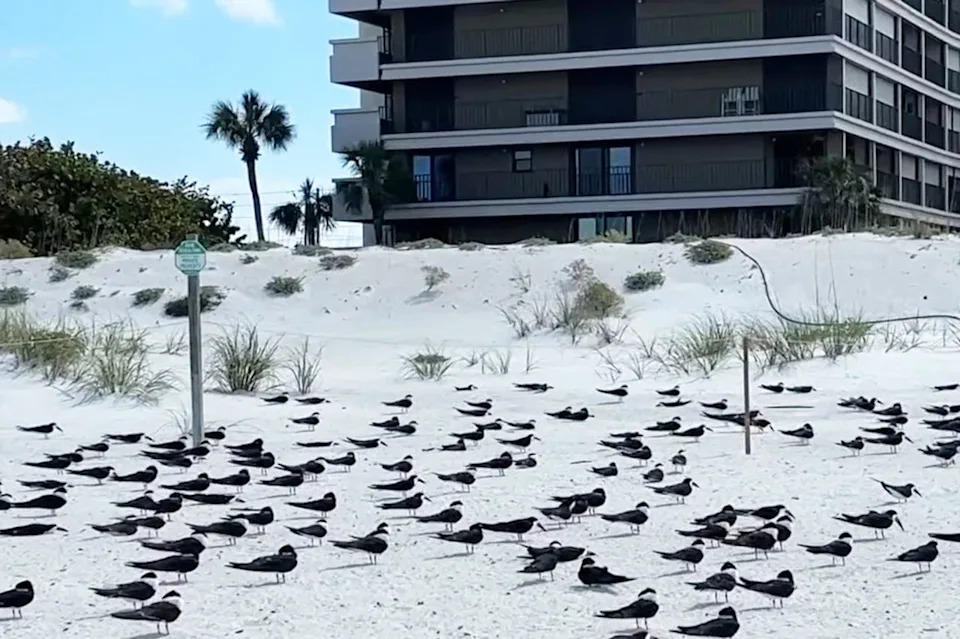
Flock of black skimmers on St. Pete Beach near a modern apartment building surrounded by dunes and sparse vegetationCredit: 10 Tampa Bay News/Youtube
"Mothballs contain chemicals that can be toxic to birds and other wildlife, and placement of them on the beach is harmful, as wildlife can ingest them whether on the sand or if blown into the water," Ferguson said. "Our thoughts are that the individual put them out here to deter the skimmers from nesting on the beach, because nesting season is coming up."
Local residents and volunteers from the Audubon Society mobilized the same day to remove the mothballs by hand. They collected and properly disposed of multiple bagfuls, helping clear important habitat ahead of the skimmers' arrival.
Environmental and Legal Risks
State officials warned that mothballs are toxic to marine life, birds, mammals and humans. The Florida Department of Agriculture and Consumer Services notes that mothballs are intended for indoor use; using them outdoors to deter wildlife is illegal and can result in citations and fines of up to $10,000 per violation.
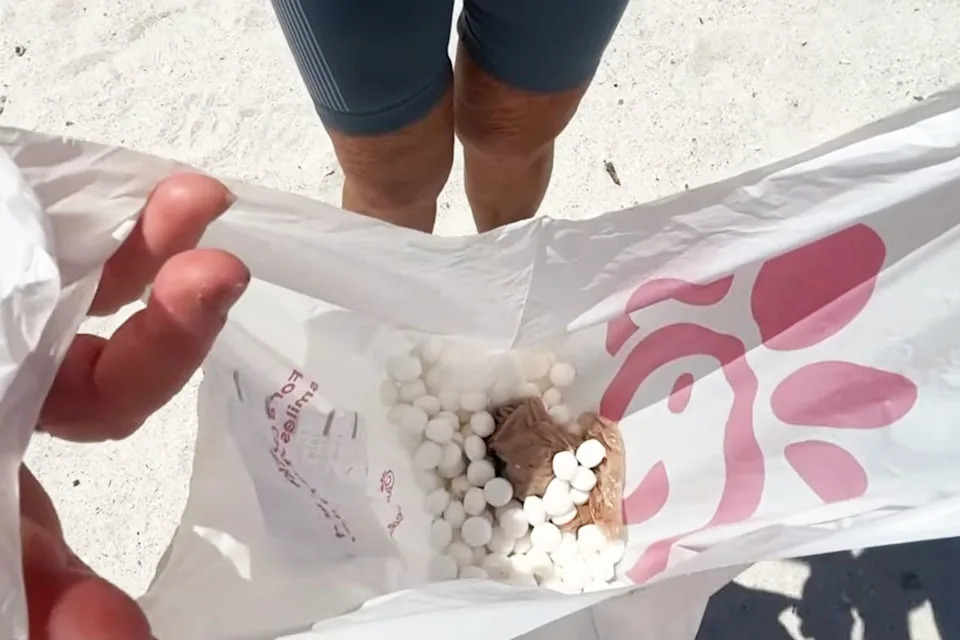
A person holding a bag containing mothballsCredit: 10 Tampa Bay News/Youtube
FWC investigators highlighted the real danger: birds or other animals could mistake mothballs for eggs or food, and children might pick them up, potentially causing serious harm.
Community Response and Ongoing Investigation
Several local businesses have offered rewards for information leading to the person responsible. Businesses offering rewards include Dune Savers, Florida Tiki Tours, Mullens Plants and Palms, Riptides, Suncoast Water Sports, Squid Ink Tattoo and Twisted Tiki.
FWC thanked volunteers for their quick action and said the investigation is ongoing. Officials urged anyone with information to contact the FWC and reminded residents that interfering with the nesting of a protected species is against the law.
Sources: FWC, The Tampa Bay Times, People, local news reports.
Help us improve.