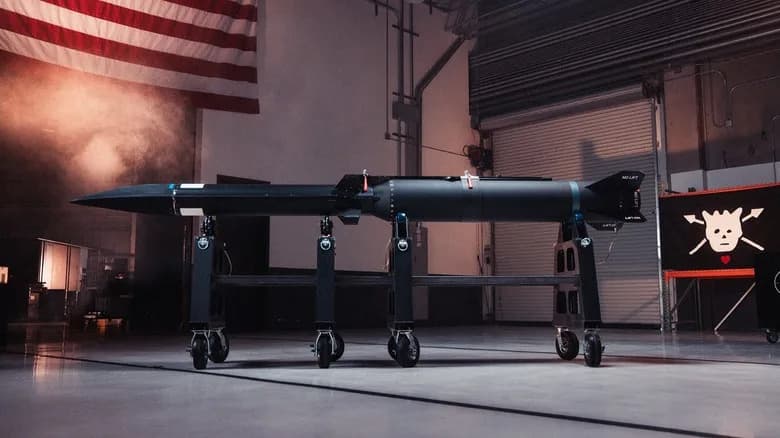
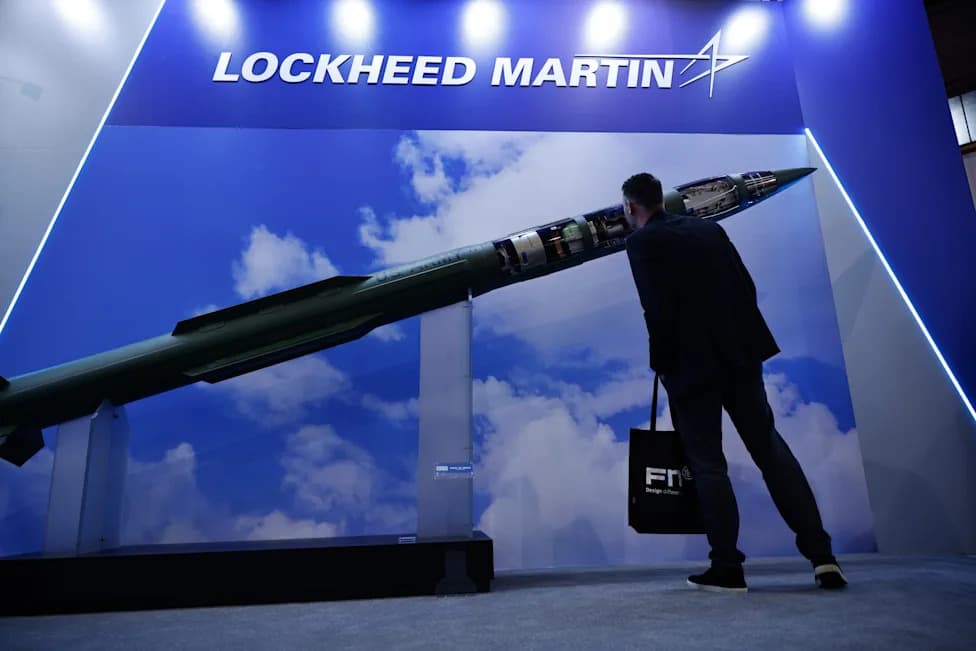
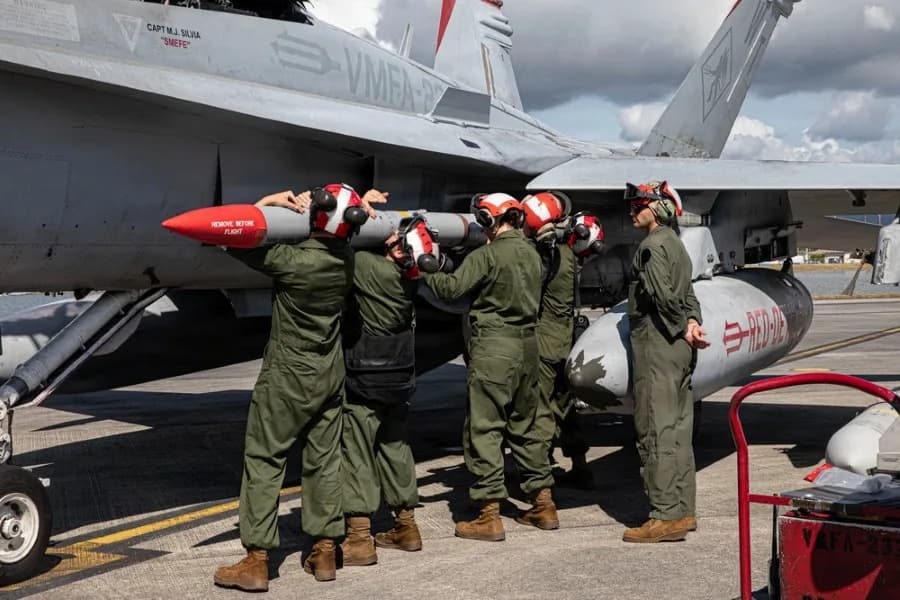
The Department of Defense has awarded Rocket Lab $190 million to build and operate HASTE, a Mach‑5 suborbital hypersonic test vehicle based on the Electron rocket. The contract — part of the TRMC MACH-TB program with the Naval Surface Warfare Center Crane Division — calls for 20 test flights over four years, with the first launch expected within months. HASTE aims to provide frequent, lower‑cost test opportunities for hypersonic technologies; many operational details remain classified.
US Commits $190M to Rocket Lab’s Mach‑5 HASTE — A Suborbital Hypersonic Testbed, Not An Orbital Rocket
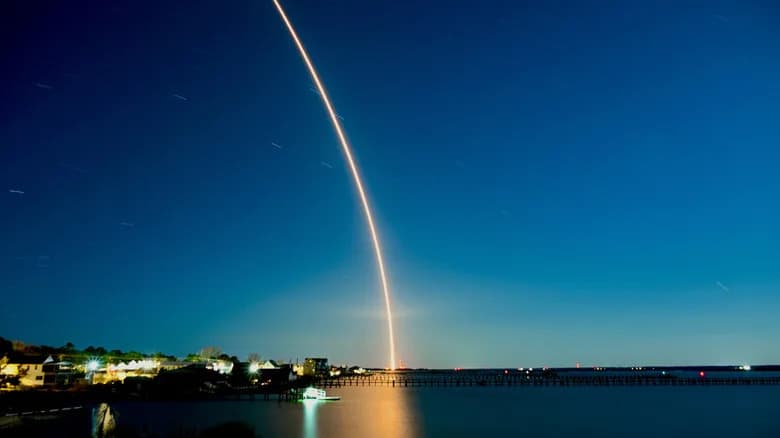
Rocket Lab's Electron rocket trail as it launches into space - John M. Chase/Getty Images
The U.S. Department of Defense has awarded $190 million to Rocket Lab to develop and operate HASTE — the Hypersonic Accelerator Suborbital Test Electron. Built on Rocket Lab’s Electron architecture, HASTE is a suborbital hypersonic test vehicle designed for repeated flights in the lower atmosphere rather than for reaching orbital velocity.
What Is HASTE?
HASTE is a purpose-built, rapid-turnaround rocket intended to support technology demonstrations and hypersonic flight tests. Unlike orbital launch vehicles, suborbital platforms reach high altitude and hypersonic speeds briefly before returning to Earth; they do not complete an orbit. Rocket Lab positions HASTE as a lower-cost, high-cadence testbed to accelerate development of hypersonic components, sensors, and mission systems.
The Contract And Program
The award is part of a joint effort between the Department of Defense and the Naval Surface Warfare Center Crane Division under the TRMC MACH-TB program (Test Resource Management Center Multi-Service Advanced Capability Hypersonic Test Bed 2.0). Under the agreement, Rocket Lab is expected to fly 20 hypersonic test flights over four years, with the first launch planned within months of signing.
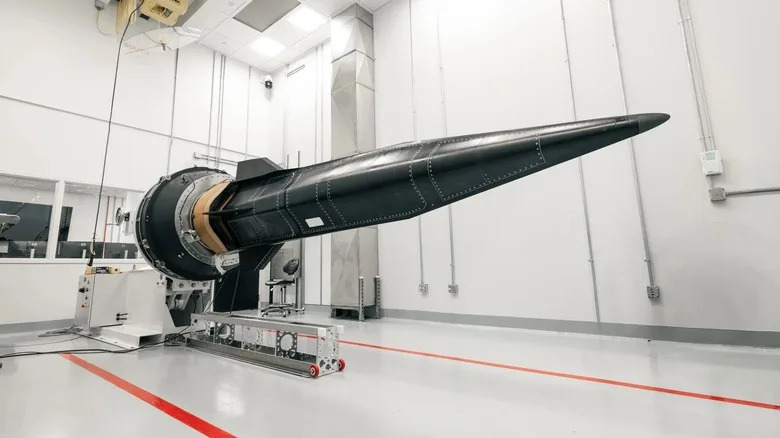
Rocket Labs HASTE rocket for suborbital missions - Rocket Lab
Why Suborbital?
Suborbital flights offer short windows of microgravity and high-speed atmospheric conditions that are ideal for instrument and component testing, flight-termination procedures, and data collection without the expense of orbital launches. They allow frequent, lower-cost live testing cycles that can speed engineering iteration — a valuable attribute for rapidly evolving hypersonic programs.
National Security And Technical Considerations
HASTE is expected to reach roughly Mach 5, a speed at which tracking, targeting, and reaction timelines become significantly compressed. While the program is framed as technology demonstrations rather than weapon deployments, these performance envelopes present real operational and defensive challenges — and are therefore treated as a high-priority area for defense research. Many technical specifics remain classified.
Context And Alternatives
Not all U.S. flight test activity is NASA-led: the U.S. Space Force operates platforms such as the orbital X-37B for other test roles, while NASA and other agencies use suborbital rockets and high-altitude balloons for scientific experiments. Research balloons and other platforms remain cost-effective alternatives for certain payloads and experiments.
What’s Next
Rocket Lab and its DoD partners plan to use the HASTE series to increase flight cadence and mature hypersonic technologies. Expect further announcements about specific missions, payloads, and launch timelines as some program details are declassified or released by the stakeholders.
Help us improve.