DARPA is convening industry to define requirements for a Next‑Generation Hypersonic Cruise Missile centered on air‑breathing propulsion. The move follows China’s public display of scramjet‑powered YJ‑19 and CJ‑1000 missiles. DARPA seeks wholly new propulsion, fuel and booster concepts plus heat‑resistant technologies for sustained hypersonic flight. The program aims to create a family of missiles in multiple sizes for varied launch platforms.
DARPA Unveils Ambitious Air‑Breathing Hypersonic Cruise Missile Program To Counter China’s YJ‑19 And CJ‑1000
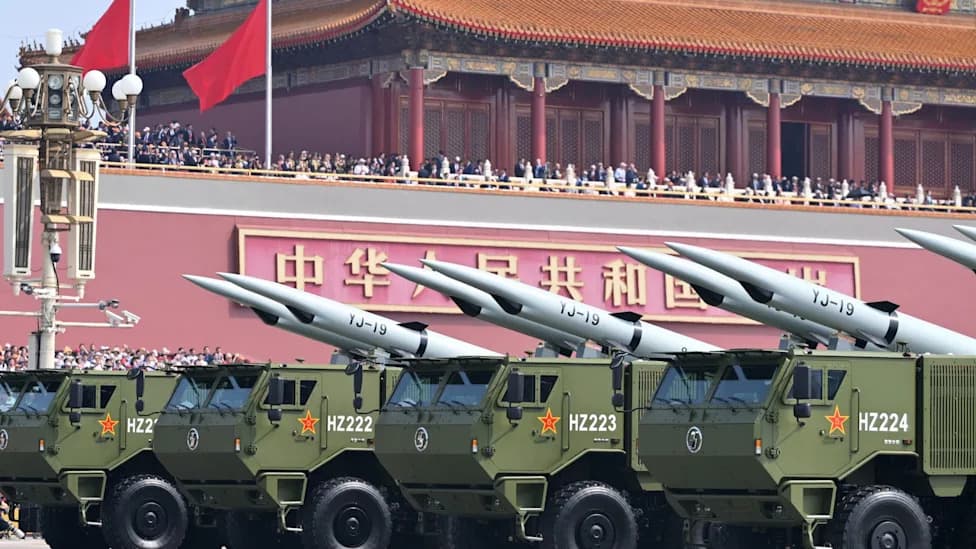
DARPA launches new hypersonic missile program to counter China’s YJ-19 and CJ-1000
The Defense Advanced Research Projects Agency (DARPA) is launching a Next‑Generation Hypersonic Cruise Missile effort focused on air‑breathing propulsion, moving to close the capability gap highlighted by China's recent public displays of scramjet‑driven weapons. DARPA will convene industry later this month to outline requirements and solicit novel propulsion, fuel and booster concepts that can survive sustained hypersonic flight.
What Makes Air‑Breathing Hypersonics Different
Air‑breathing engines—such as ramjets and scramjets—draw oxygen from the atmosphere instead of carrying an onboard oxidizer. That removes oxidizer mass and allows designers to allocate weight to additional fuel or a larger warhead, extending range or increasing payload capacity compared with conventional rocket‑powered missiles.
Why the U.S. Is Acting Now
China showcased air‑breathing hypersonic designs at a major Beijing parade last year, presenting the YJ‑19 anti‑ship missile and the larger, road‑mobile CJ‑1000. Both systems are widely reported to use scramjet propulsion and were displayed as operational. Along with Russia’s ship‑launched Zircon, they are among the few systems publicly described as scramjet‑driven and in service.
DARPA’s Technical Priorities
DARPA has signaled it wants more than incremental upgrades. In a recent industry solicitation the agency requested proposals for wholly new propulsion architectures, advanced fuels, and booster designs. Crucially, submissions must include supporting materials and technologies that withstand the extreme heat and aerodynamic loads of sustained hypersonic flight—thermal protection, high‑temperature materials, cooling schemes and robust control systems.
Flexible Mission And Launch Options
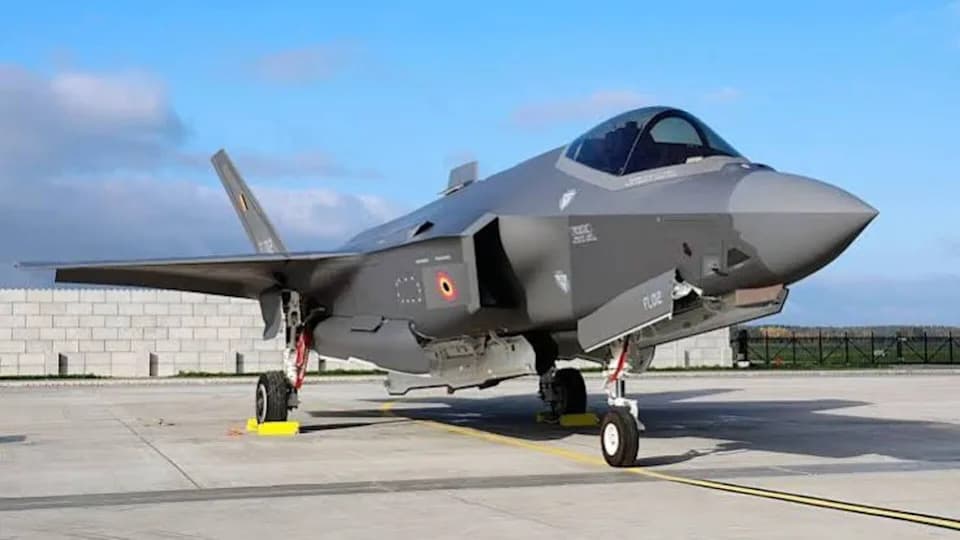
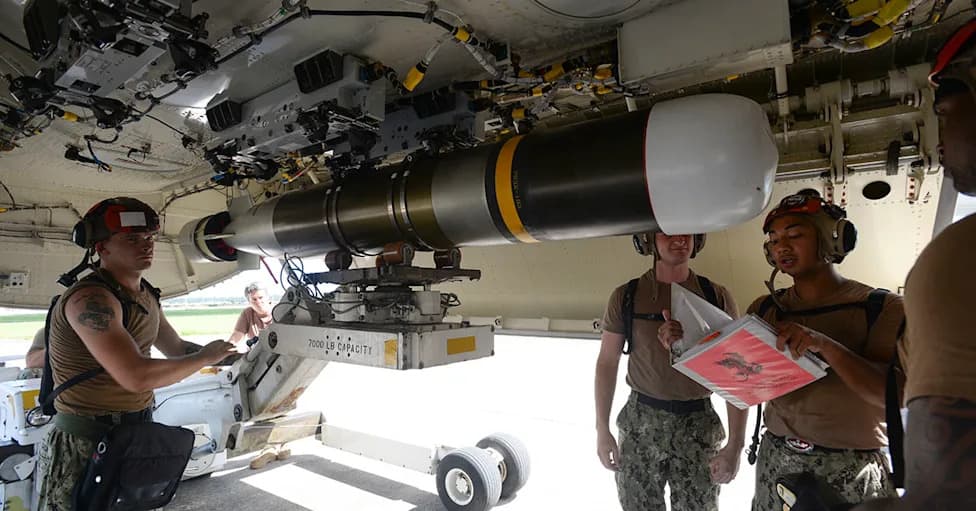
The program envisions a family of missiles in multiple sizes, from compact tactical munitions carried by fighters to much larger variants for bombers or ground and sea launchers. That modular approach would mirror the flexible launch options China has demonstrated across its hypersonic systems and broaden potential missions—anti‑ship, long‑range land strikes, and air‑defense suppression.
Building On Prior U.S. Work
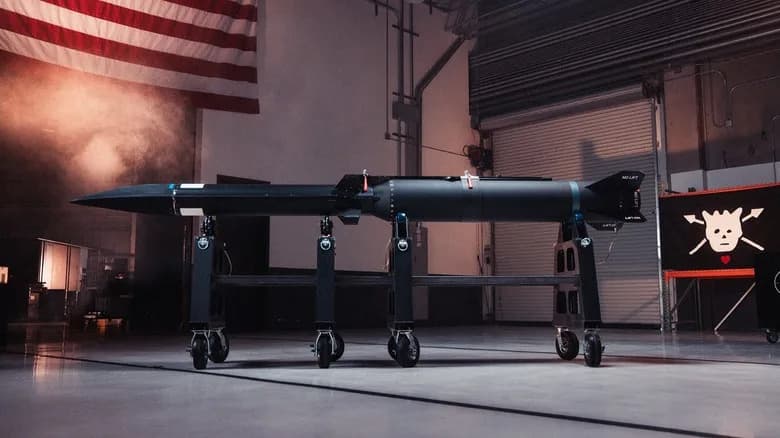
DARPA’s earlier Hypersonic Air‑breathing Weapon Concept (HAWC) completed its first successful flight test in 2021 and has continued flight testing since, helping to establish technical foundations. The new initiative aims to leverage those lessons while pushing for entirely new propulsion and materials solutions.
Bottom Line: DARPA's new program targets breakthrough propulsion, fuels and heat‑tolerant technologies to produce a versatile family of air‑breathing hypersonic cruise missiles—an explicit response to China’s YJ‑19 and CJ‑1000 displays.
Help us improve.