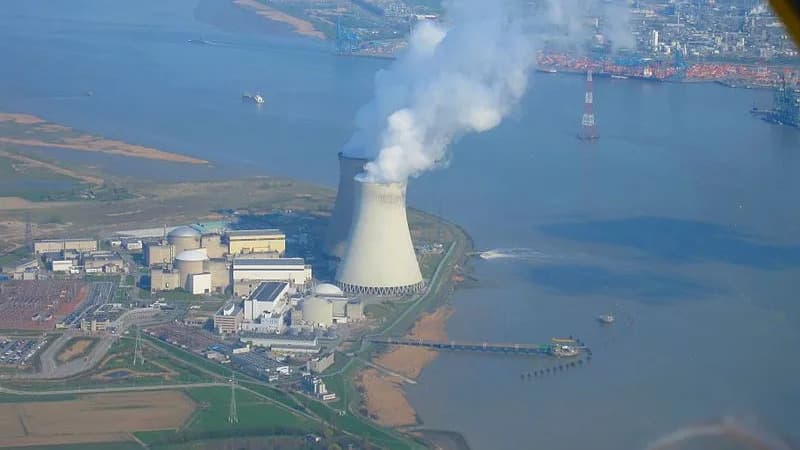
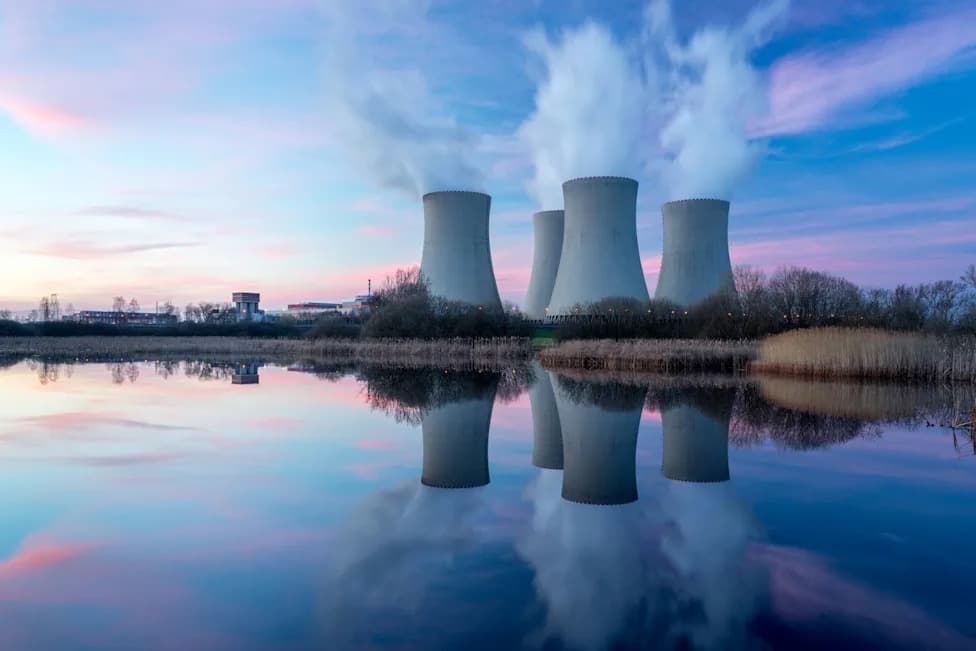
Nuclear power is experiencing a global resurgence four decades after Chernobyl, driven by energy security concerns, geopolitical tensions and advances in reactor safety. Today over 400 reactors operate worldwide, with roughly 70 under construction; nuclear contributes about 10% of global electricity and nearly 25% of low-carbon power. Major players — the U.S., China, Russia and France — are expanding capacity, while Europe reevaluates nuclear and explores Small Modular Reactors as a quicker, more flexible option.
Nuclear Power's Global Comeback: Four Decades After Chernobyl
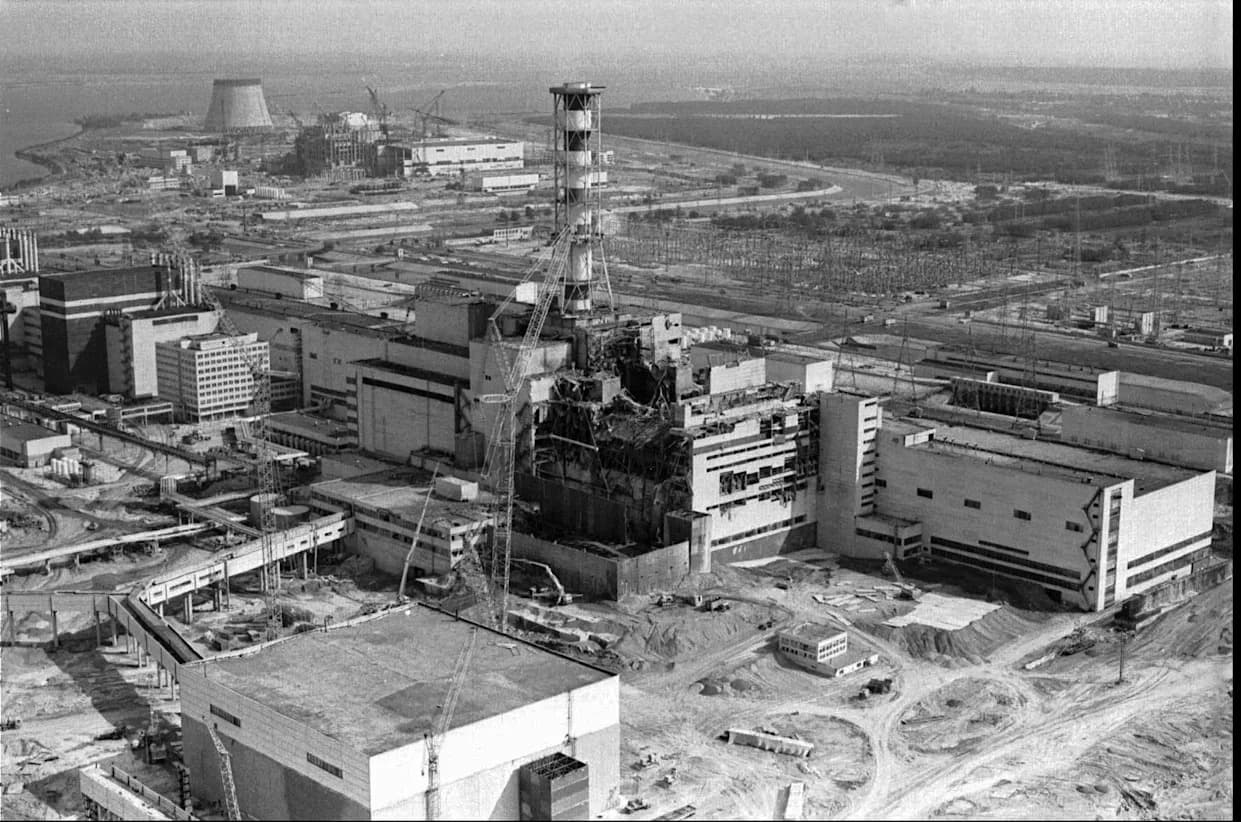
FILE - The Chernobyl nuclear plant is seen in an aerial view, showing the damage from an explosion and fire on April 26, 1986, that sent a radioactive plume over Europe. (AP Photo/ Volodymyr Repik, File)
Forty years after the 1986 Chernobyl disaster stalled nuclear development across Europe and beyond, nuclear power is experiencing a marked global revival. Renewed concerns about energy security, recent geopolitical conflicts and advances in reactor design have accelerated interest in nuclear as a reliable, low-carbon source of electricity.
Current Picture
More than 400 commercial reactors operate in 31 countries, and roughly 70 additional units are under construction. Nuclear generation supplies about 10% of global electricity and roughly one quarter of the world’s low-carbon power. Reactor designs and operations have steadily improved, with added safety features and cost reductions in many projects.
Major Players
The United States remains the largest nuclear electricity producer, operating 94 reactors and accounting for about 30% of global nuclear generation. Washington has set an ambitious goal to expand nuclear capacity significantly by mid-century.
China runs 61 reactors and leads the world in new builds, with nearly 40 reactors under construction as Beijing pushes to become the global leader in nuclear capacity. Russia operates 34 reactors at home and has become a major exporter of nuclear technology, with about 20 reactors built or under construction abroad.
France relies on nuclear for nearly 70% of its electricity from 57 reactors and has announced plans to build new pressurized water reactors to support decarbonization and energy independence. Japan, after an extensive safety review following Fukushima, has restarted 15 reactors and is processing approvals for about 10 more.
Europe's Policy Shift and SMRs
The war in Ukraine and the resulting focus on energy security have prompted a policy reassessment in Europe. European Commission President Ursula von der Leyen described cutting nuclear capacity as a strategic mistake and has supported measures to encourage new construction. The EU is also evaluating Small Modular Reactors (SMRs), which are promoted as faster and cheaper to build and more flexible for grids; SMRs are expected to begin commercial deployment in the early 2030s if projects proceed on schedule.
Conflict, Safety and Local Contexts
Chernobyl’s Reactor No. 4 exploded on April 26, 1986, spreading contamination across Europe and reshaping public perceptions of nuclear risk. The 2011 Fukushima disaster in Japan reinforced those concerns. Still, industry leaders and international agencies increasingly argue that modernized designs, stricter regulations and lessons learned from past accidents make contemporary nuclear programs safer.
Ukraine continues to depend heavily on nuclear generation for roughly half its electricity. Nuclear facilities have been highly consequential since Russia’s 2022 invasion; Russian forces captured the Zaporizhzhia Nuclear Power Plant, and Kyiv has accused Moscow of attacks on nuclear infrastructure. Belarus, which suffered significant Chernobyl fallout, now hosts a Russian-built reactor, a development criticized by local environmental groups.
Africa and Other Regions
Africa’s nuclear footprint remains limited: South Africa operates the continent’s only commercial plant today, while Russia is constructing a unit in Egypt and several other African countries are exploring civil nuclear options.
Outlook
International bodies such as the International Atomic Energy Agency stress that reliable, low-carbon electricity will be essential to meet rising global energy demand. Against a backdrop of climate goals and energy-security concerns, many governments are repositioning nuclear power as a central element of future energy mixes, even as others continue to phase out older reactors. The next decade will be decisive for whether new builds and SMR deployment translate into a sustained, broad-based nuclear resurgence.
Help us improve.