Argentina's government has sent Congress a draft bill to overhaul the electoral system, aiming to cut costs and tighten party rules. Major provisions would eliminate mandatory PASO primaries, raise thresholds to form and keep parties, bar certain convicted candidates, and restrict sources of party funding. The administration says the 2023 primaries cost about 45 billion pesos (≈$32.7 million). The measure must clear the Senate before heading to the Chamber of Deputies.
Milei Proposes Sweeping Electoral Overhaul — Scraps Mandatory Primaries and Tightens Party Rules
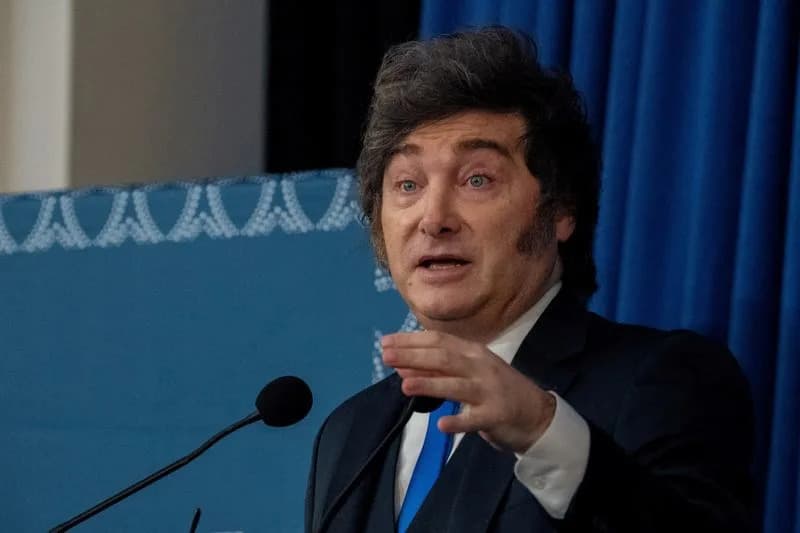
FILE PHOTO: Argentina's President Javier Milei speaks at Yeshiva University in Manhattan, in New York City, U.S., March 9, 2026. REUTERS/David 'Dee' Delgado/File Photo
BUENOS AIRES, April 22 (Reuters) - Argentina's government on Wednesday submitted a wide-ranging electoral reform bill to Congress that it says will cut costs, improve transparency and tighten rules for political parties. The proposal is part of libertarian President Javier Milei's broader campaign to shrink the role and spending of the Argentine state, which has already included deep budget cuts across several ministries.
What the Bill Would Do
The draft, seen by Reuters, contains several high-profile changes:
Eliminate Mandatory National Primaries (PASO) — The bill would remove Argentina's compulsory national primary elections, known as PASO, making candidate selection an internal party matter rather than a federal process. Milei's office called the PASO a "failed experiment," arguing that scrapping them would save money and return control to parties.
Raise Party Formation And Maintenance Thresholds — The proposal raises the numerical and organizational thresholds required to create and keep a political party on the ballot, a move its backers say will reduce fragmentation in the party system.
Ban Convicted Candidates — The draft would bar individuals convicted of certain crimes from running for public office.
Tighten Party Finance Rules — New restrictions would prohibit anonymous donations and ban funds from entities or individuals linked to gambling activities, foreign public bodies and other specified sources.
"Argentina's most recent primary elections in 2023 cost the state about 45 billion Argentine pesos ($32.7 million)," the president's office said, adding that those votes did not resolve significant internal party disputes.
Next Steps And Potential Impact
The bill must pass the Senate before moving to the Chamber of Deputies for final approval. If enacted, the changes could reshape the mechanics of candidate selection, alter how parties raise funds and affect market reactions to early poll signals that PASO results sometimes produce.
Supporters of the reform frame it as a cost-saving, efficiency measure that reduces federal involvement in party affairs. Critics warn the higher barriers to party formation and stricter finance rules could weaken political pluralism and disadvantage smaller parties.
($1 = 1,378.0000 Argentine pesos)
(Reporting by Eliana Raszewski in Buenos Aires and Brendan O'Boyle in Mexico City; Additional reporting by Marta Lopez; Writing by Brendan O'Boyle; Editing by Cassandra Garrison and David Gregorio)
Help us improve.