Villagers, community leaders and Fiji's UN ambassador oppose a proposed $630 million waste-to-energy plant near Nadi, calling it "waste colonialism" and warning it would harm tourism, fisheries and public health. Developers say the facility could provide up to 40% of Fiji's electricity by burning roughly 900,000 tonnes of non-recyclable waste annually, but the project's environmental statement also projects a ~25% rise in national emissions. Critics point to risks from ash and dioxins, the possibility of imported waste, and the rejection of a similar Sydney proposal in 2018; Fiji's government says the plan is under review.
Fiji Villagers Call Proposed Waste-To-Energy Plant 'Waste Colonialism' — Fear Tourism, Health and Environment Risks
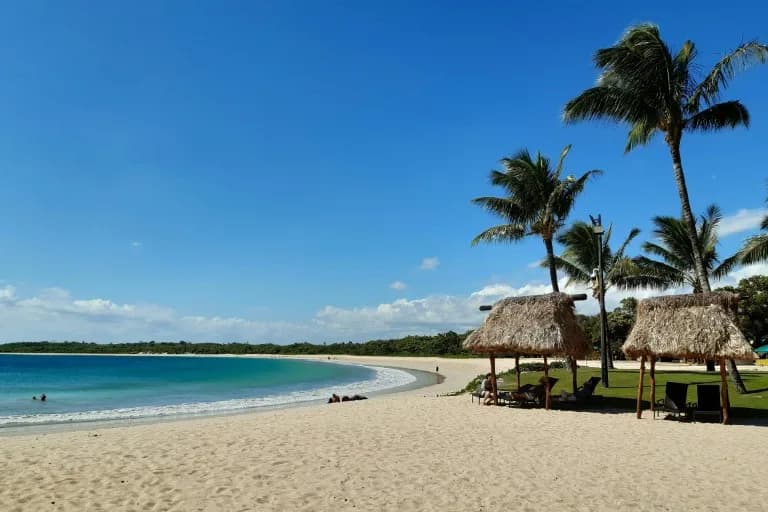
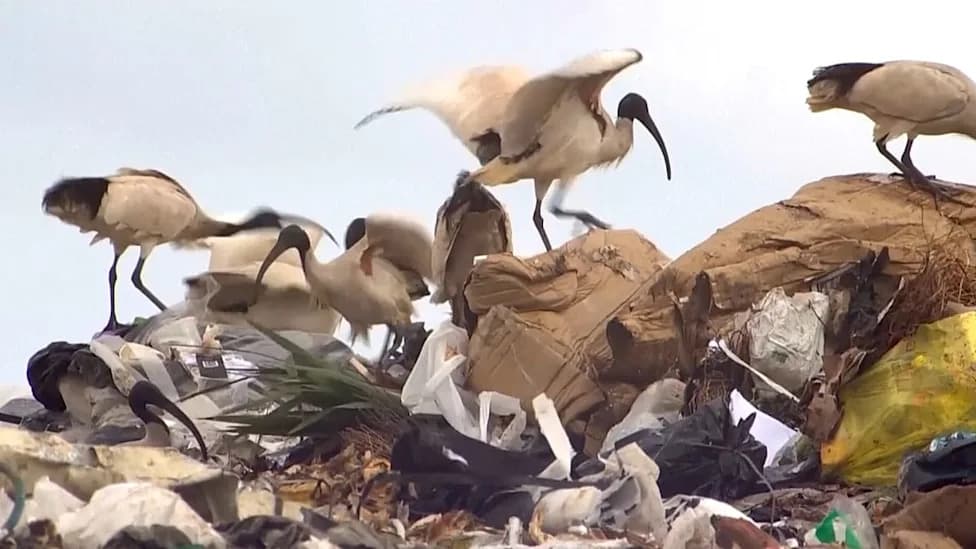
A plan to build a waste-to-energy incinerator on Fiji's main island has been described as 'waste colonialism', with critics raising concerns about its environmental impact (AILEEN TORRES-BENNETT)(AILEEN TORRES-BENNETT/AFP/AFP)
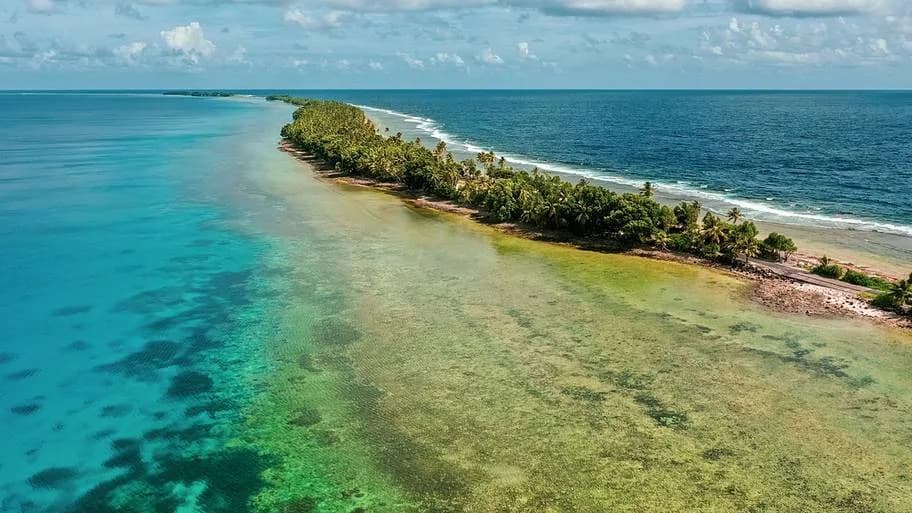
Villagers, community leaders and Fiji's ambassador to the United Nations are campaigning against a proposed $630 million waste-to-energy incinerator and port planned near Nadi, warning the scheme could turn a coastal "beach paradise" into what they call the Pacific's "ashtray."
The proposal, led by Australian-based developers Ian Malouf (founder of Dial-a-Dump) and Rob Cromb (owner of the Kookai fashion label), would place a port and an incinerator roughly 15 kilometres north of Fiji’s tourism gateway of Nadi. Project proponents say the facility could supply up to 40% of Fiji’s electricity needs. The developers’ environmental impact statement forecasts the plant would process about 900,000 tonnes of non-recyclable waste each year.
Local Opposition And Environmental Concerns
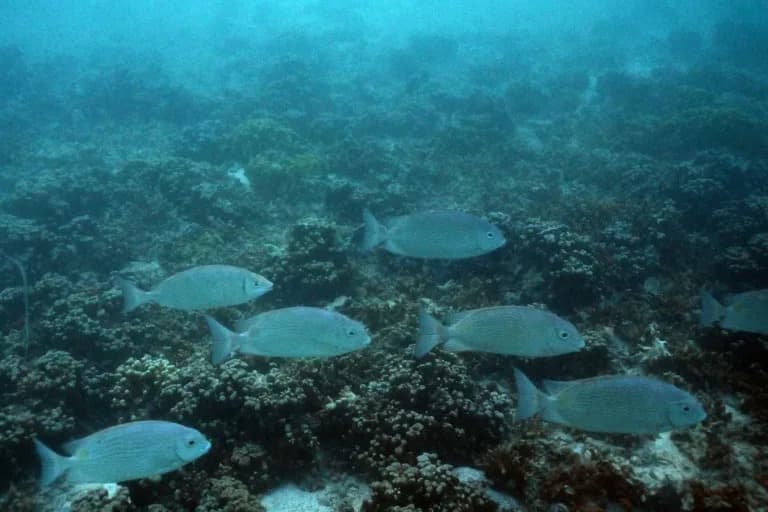
Traditional landowner Inoke Tora traveled to Suva carrying a petition opposing the plan, saying the proposal threatens the livelihoods and food sources of people who fish and harvest shellfish in the area. Fiji’s UN ambassador, Filipo Tarakinikini, warned on social media that the Vuda coast "must not become the Pacific's ashtray," arguing ash residue and dioxins could contaminate the food chain.
"There are hundreds of people living in villages in this place and they fish each day, eat fresh crabs. They call that beach paradise," Inoke Tora told AFP.
Opponents also point to documents showing the plant could raise Fiji’s national greenhouse-gas emissions by about 25%. Concerns include air pollution near hotels, schools and populated areas and potential damage to the tourism industry around Nadi.
Disputed Claims And Regional Implications
Developers argue the plant would reduce landfill methane emissions and lower diesel dependence by generating electricity. Rob Cromb said energy-from-waste facilities operate under strict environmental protections in many countries and claimed the project is designed to manage Fiji's own waste rather than import it.
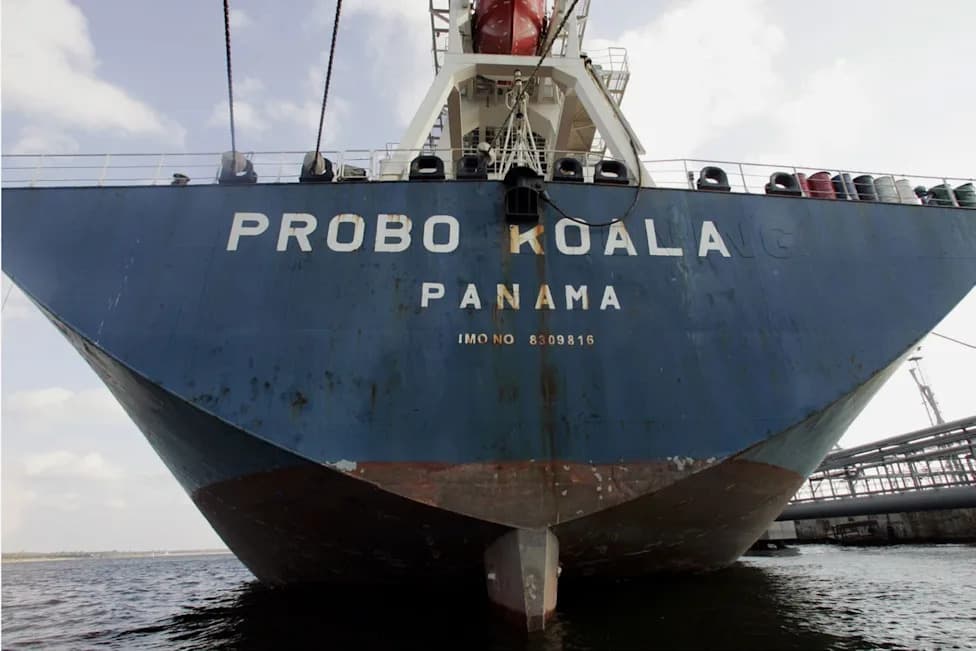
However, the port-and-incinerator plan lodged with Fiji’s government indicates the facility could accept both local waste and waste shipped from Australia and the wider Pacific — opponents have warned this could amount to sending up to 700,000 tonnes of non-recyclable waste to Fiji annually. Critics call this practice "waste colonialism" and note a similar project in Sydney led by Malouf was rejected in 2018 on human health grounds.
Stephen Bali, who opposed the Sydney proposal as mayor of Blacktown and is now a New South Wales lawmaker, urged Fiji to obtain independent scientific assessments and to consider the emissions created by transporting foreign waste to Fiji.
Official Response
Fiji's Tourism Minister Vilame Gavoka warned the facility could jeopardize tourism in the Nadi region, noting such plants are usually sited far from densely populated or commercial areas. Michael Sivendra, Fiji’s permanent secretary for environment and climate change, confirmed the proposal is under formal review.
As debate continues, villagers and local leaders are pressing the government for transparency, independent environmental assessments and protections for fisheries, public health and tourism-dependent livelihoods.
Key facts: proposed cost $630 million; developer claim: up to 40% of national electricity; possible feedstock: ~900,000 tonnes/year; opponents fear up to 700,000 tonnes/year could be imported; potential national emissions increase ~25%.
Help us improve.