The Associated Press reports that Iran has granted field commanders greater autonomy over Iran-backed Iraqi militias, allowing some units to operate without Tehran’s prior approval. Many of these militias are embedded in Iraq’s security structures and funded through the state budget, complicating Baghdad’s ability to control them. The U.S. has responded with sanctions and strikes targeting mid-level commanders and Iranian advisers, while analysts warn Washington may escalate pressure as militias gain operational independence.
Iran Grants Field Commanders Greater Autonomy Over Iraqi Militias as Regional War Intensifies
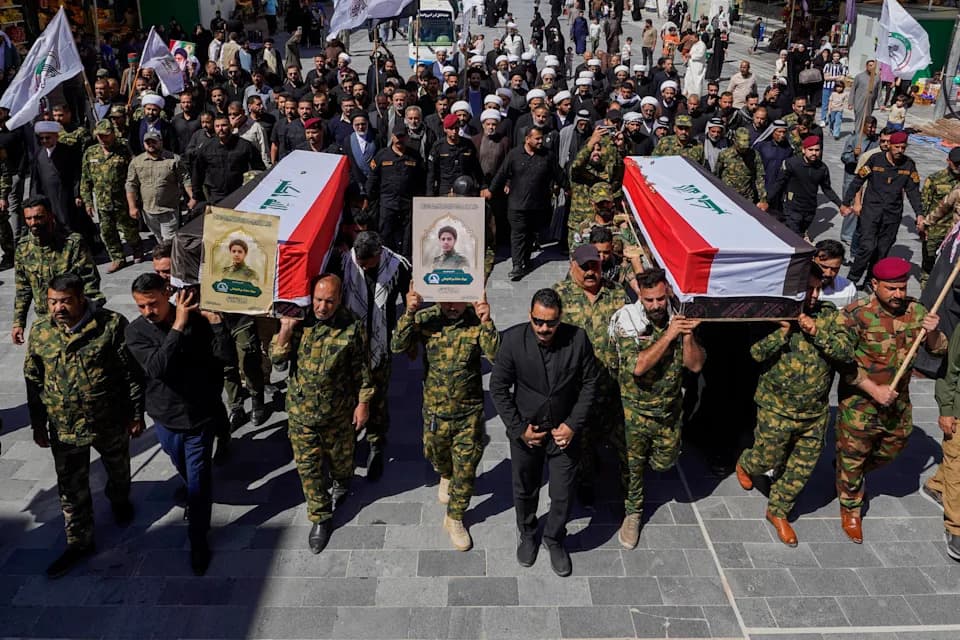
FILE - Members of the Popular Mobilization Forces attend a funeral for colleagues who were killed in a U.S. airstrike in Anbar, in Najaf, Iraq, Wednesday, April 1, 2026. (AP Photo/Anmar Khalil, File)(ASSOCIATED PRESS)
BAGHDAD — Under pressure from the wider regional war, Iran has shifted its approach to Iraqi militias, granting field commanders greater autonomy and allowing some units to carry out operations without seeking Tehran’s prior approval, three militia members and two other officials told The Associated Press.
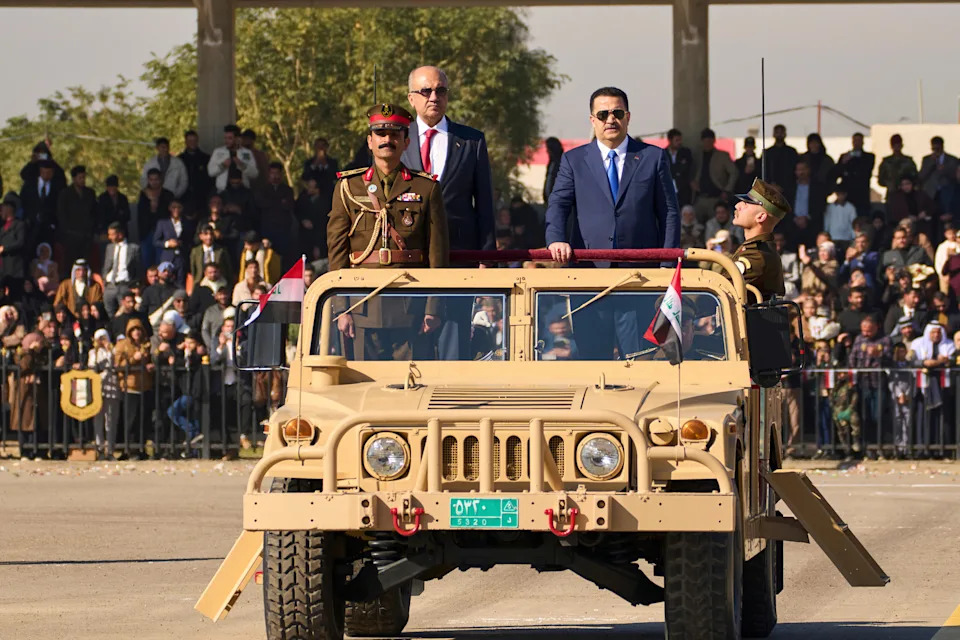
FILE - Iraqi Prime Minister Mohammed Shia al-Sudani, right, rides in a Humvee during the Army Day celebrations, in Baghdad, Iraq, Tuesday, Jan. 6, 2026. (AP Photo/Hadi Mizban, File)(ASSOCIATED PRESS)
Decentralized Command and the Limits of Baghdad’s Control
Many Iran-backed militias are financed through Iraq’s state budget and embedded within the country’s security architecture, a reality that has drawn criticism from the United States and other governments that have borne the brunt of attacks attributed to these groups. That entrenchment complicates Baghdad’s ability to rein them in.
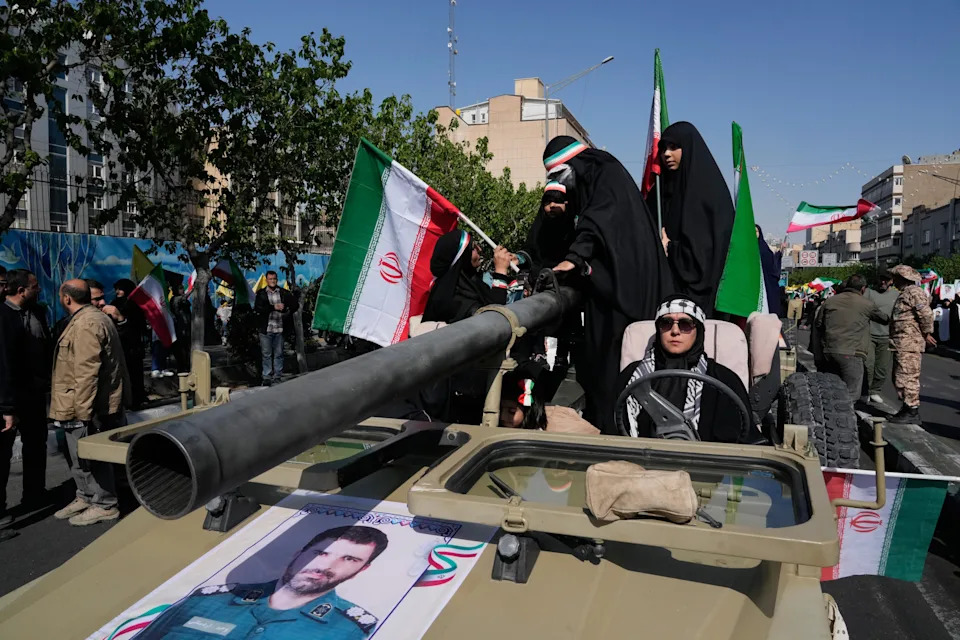
FILE - Women members of the Basij paramilitary, affiliated with Iran's Revolutionary Guard, march with their weapons during a state-organized rally in support of the supreme leader marking National Girl's Day, in Tehran, Iran, Friday, April 17, 2026. (AP Photo/Vahid Salemi, File)(ASSOCIATED PRESS)
“The various forces have been granted the authority to operate according to their own field assessments without referring back to a central command,” said one militia official who was not authorized to speak publicly.
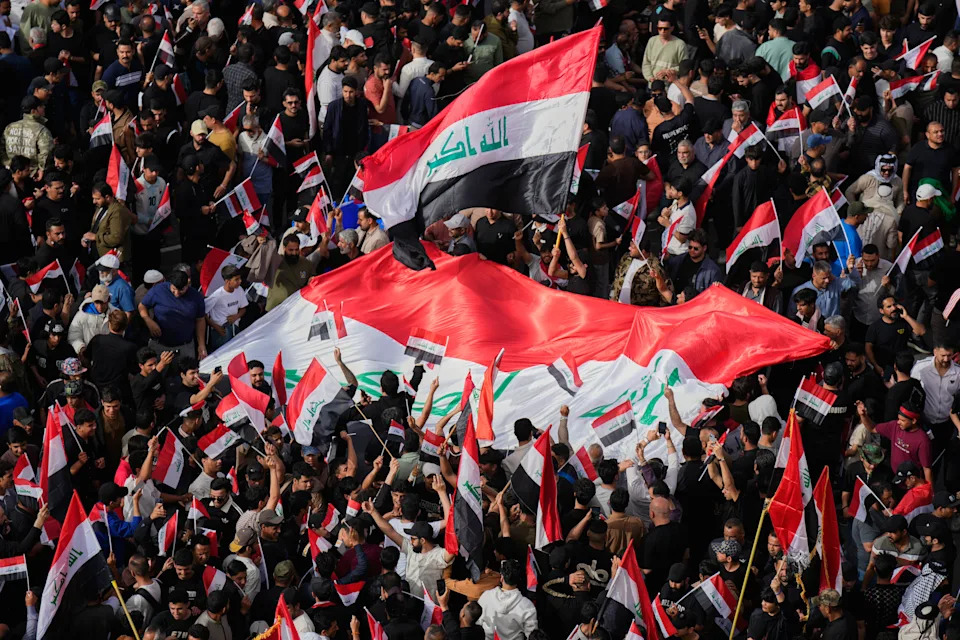
FILE - Followers of Iraq's Shiite cleric Muqtada al-Sadr chant slogans as they wave national Iraqi flag during a protest against U.S. and Israeli attacks on multiple cities across Iran, in Tahrir Square, Baghdad, Iraq, Saturday, April 4, 2026. (AP Photo/Hadi Mizban, File)(ASSOCIATED PRESS)
How the Shift Happened
Officials said the change in command style reflected lessons learned during a 12-day conflict in June: commanders centralized operations during that phase, but afterwards Iran loosened direct control and devolved more discretion to regional commanders and advisers.
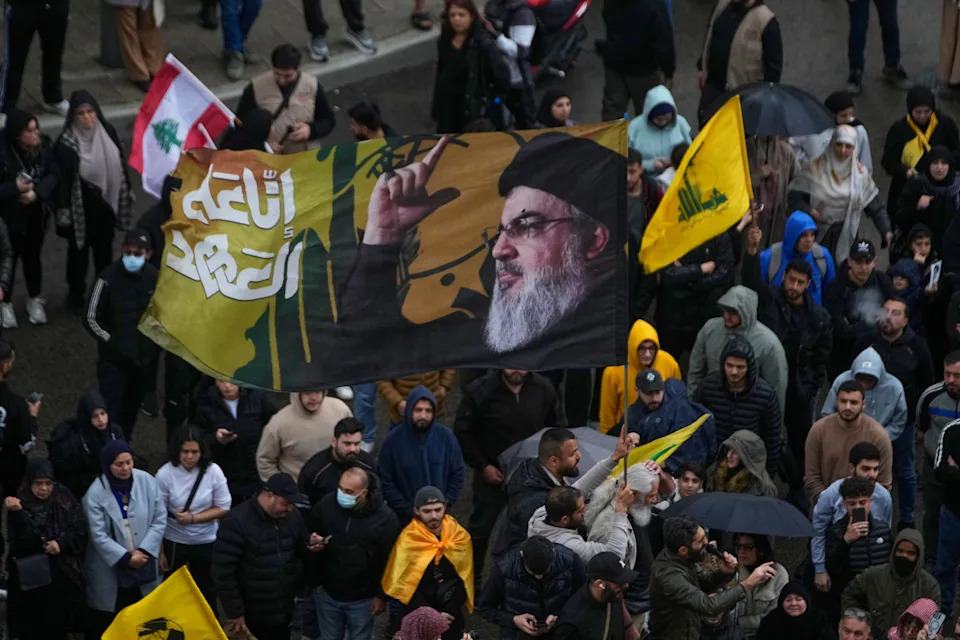
FILE - A Hezbollah supporter waves a flag with the portrait of the late Hezbollah leader Sayeed Hassan Nasrallah during a protest against the Lebanese Prime Minister Nawaf Salam, in front the government palace, in Beirut, Lebanon, Friday, April 10, 2026. (AP Photo/Hussein Malla, File)(ASSOCIATED PRESS)
“They said they’ve devolved authority to regional Iranian commanders,” a senior Iraqi Kurdish official said, describing an Iranian delegation’s message to Kurdish authorities after U.S. and Israeli strikes on Iran touched off a broader flare-up.
U.S. Response and the Political Paradox
Washington has responded with sanctions and strikes. Recent U.S. strikes largely targeted mid-level militia commanders and Iranian Revolutionary Guard advisory cells, while sanctions were imposed on several commanders of hard-line groups. U.S. officials warn they may intensify political and military pressure if militias continue to operate with increased independence.
At the same time, many of these militias are part of the state-sanctioned Popular Mobilization Forces (PMF), created after 2014 to integrate volunteer units that fought the Islamic State. The PMF now receives state salaries, weapons and access to intelligence, which critics say has produced a troubling contradiction: groups funded by Baghdad that sometimes act in line with Iranian regional priorities.
That contradiction is central to Iraq’s dilemma: powerful factions the government says it cannot control are allied with political parties that helped bring that government to power. The Coordination Framework, an alliance of pro-Iran Shiite factions, backed Mohammed Shia al-Sudani’s rise to the premiership in 2022; he now serves as a caretaker prime minister amid a political deadlock.
Militia Statements
Harakat Hezbollah al-Nujaba acknowledged coordination with Iran but framed its actions as legitimate within Iraq’s political order. “Since we are allies of the Islamic Republic, we have coordination with our brothers in the Islamic Republic,” spokesman Mahdi al-Kaabi said, while also insisting the group respects Iraq’s laws and constitution.
Outlook
Analysts say the United States may seek to isolate the most extreme factions from those more integrated into Iraq’s political system, even as Baghdad continues to struggle to rein in paramilitary actors that enjoy state support. The situation underscores the fragility of Iraq’s institutions and the complex entanglement of domestic politics and regional power competition.
Help us improve.