Mexican authorities have detained Janos Balla, a 48‑year‑old Hungarian on the EU "most wanted" list, in Quintana Roo. Balla, alias Daniel Takacs, faces a six‑year EU sentence for drug trafficking and was arrested after an Interpol red notice and intelligence sharing with Hungarian authorities. He has been handed to the National Institute of Migration ahead of a controlled deportation to Europe. The arrest comes amid President Claudia Sheinbaum’s tougher anti‑cartel campaign and expanded security cooperation with the United States.
Mexico Arrests Hungarian Fugitive From EU 'Most Wanted' List As Anti‑Cartel Crackdown Intensifies
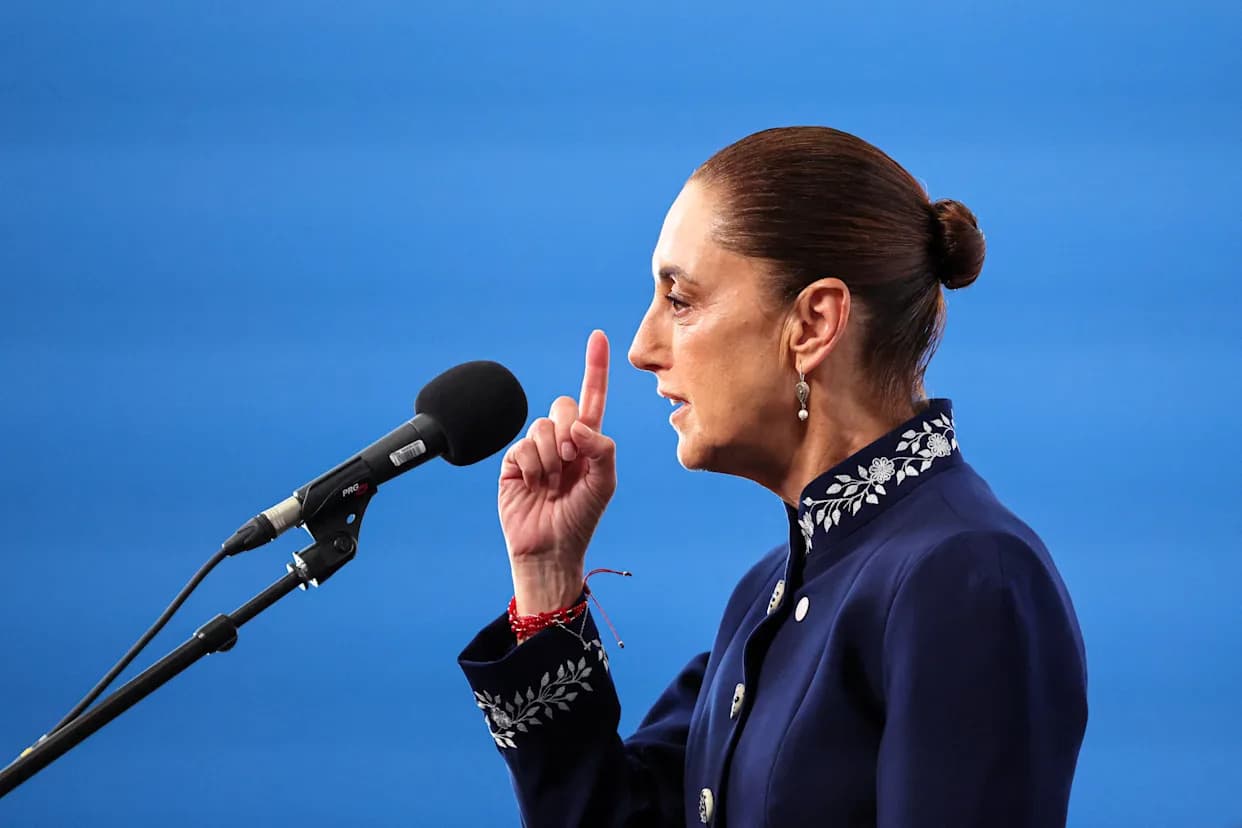
Mexico's President Claudia Sheinbaum speaks in Barcelona, Spain, on April 18, 2026 [Nacho Doce/Reuters]
Mexican authorities have arrested a Hungarian national listed among the European Union’s "most wanted fugitives" as part of a broader effort to dismantle criminal networks operating in the country.
Arrest Details
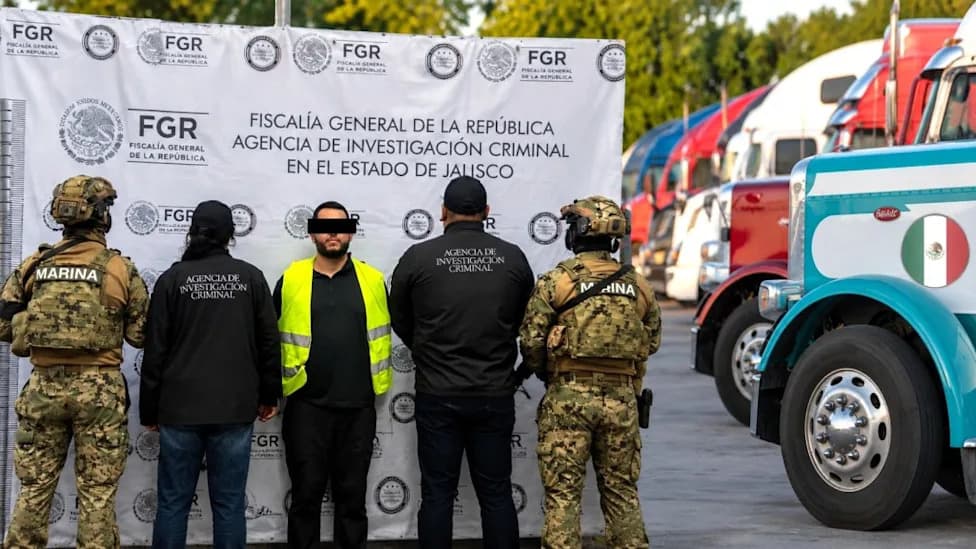
On Saturday, Mexico’s Security Minister Omar Garcia Harfuch announced the capture of 48‑year‑old Janos Balla, also known by the alias "Daniel Takacs," in the southern state of Quintana Roo. European authorities have sentenced Balla to six years in prison for trafficking narcotic drugs and psychotropic substances, and he was the subject of an Interpol red notice requesting international assistance in his arrest.
Mexican agencies credited intelligence sharing and close cooperation with Hungarian security services for identifying Balla’s mobility zone in the municipality of Benito Juarez. A coordinated operation led to his detention on Politecnico Avenue. According to the joint statement, Balla was turned over to Mexico’s National Institute of Migration so officials could determine his immigration status and begin a controlled deportation process to Europe.
Political And Security Context
The arrest is one of several high‑profile operations carried out under President Claudia Sheinbaum, whose administration has adopted a tougher stance on organized crime and cartel activity—marking a shift away from the "hugs, not bullets" approach associated with her predecessor and mentor, Andres Manuel Lopez Obrador.
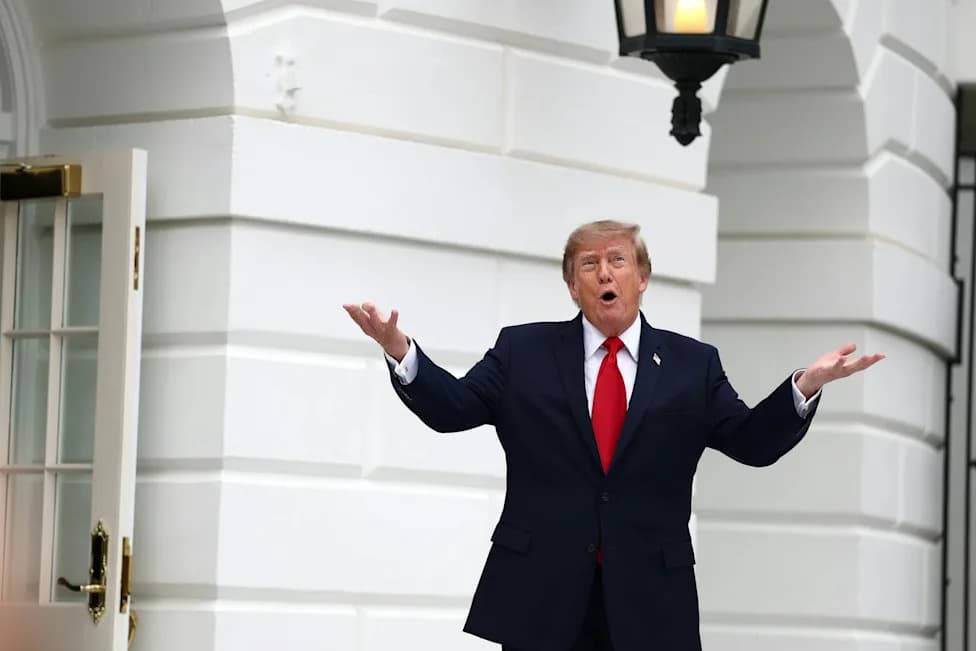
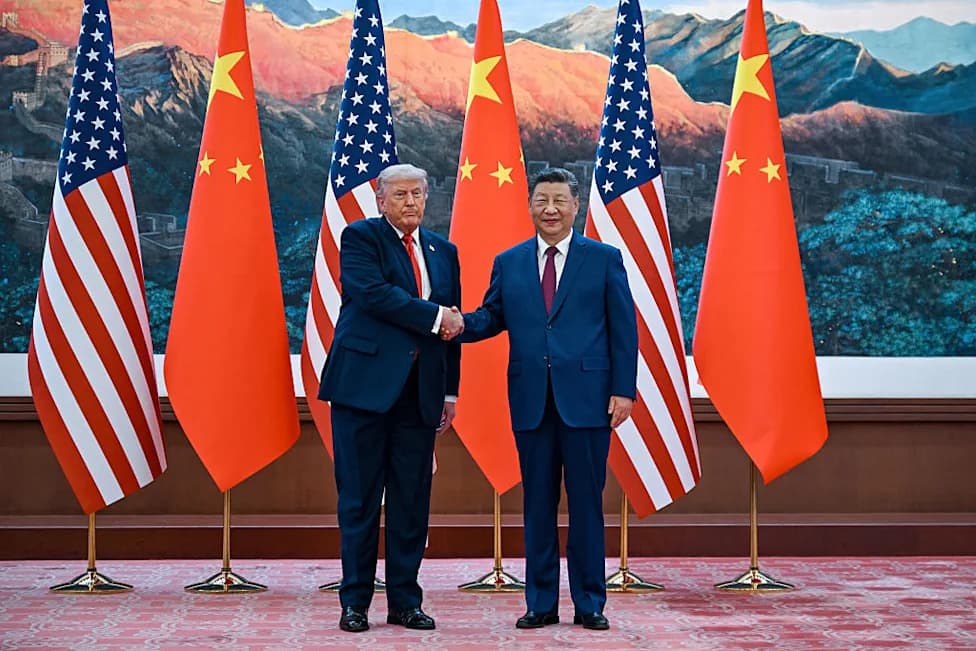
That harder line has intensified amid diplomatic pressure from the United States. President Donald Trump has publicly labeled some Mexican cartels "foreign terrorist organizations," threatened strong measures including possible military action, and used trade leverage to press Mexico on counter‑narcotics cooperation.
“We have to eradicate them,” Trump said of Mexico’s cartels in March. “We have to knock the hell out of them because they’re getting worse. They’re taking over their country.”
Cooperation With The United States And Legal Concerns
Mexico has continued close law‑enforcement cooperation with the United States, including joint operations and transfers of suspects for prosecution. Since 2025—after the start of President Trump’s second term as reported—Mexico has transferred nearly 92 suspected cartel members to US authorities: 37 in January, 29 in February, and 26 the previous August.
Security Minister Garcia Harfuch defended the transfers as necessary to protect Mexico from individuals who pose a threat to national security, saying they were carried out with respect for sovereignty. Critics, including relatives of some detainees and legal advocates, argue that certain transfers were executed without formal extradition orders, potentially denying suspects the chance to challenge the moves and exercise due process rights.
Outlook
With the World Cup kickoff scheduled for June, President Sheinbaum has pledged a significant surge of police and military personnel—nearly 100,000 officers are expected to be deployed—to maintain security during the event. The Balla arrest underscores the administration’s emphasis on coordinated international policing and a more assertive domestic security posture.
Help us improve.