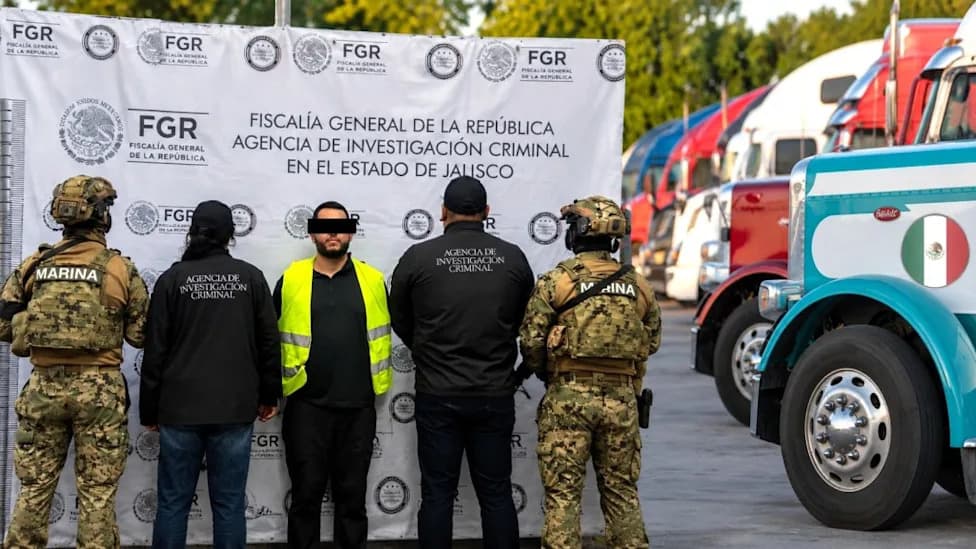
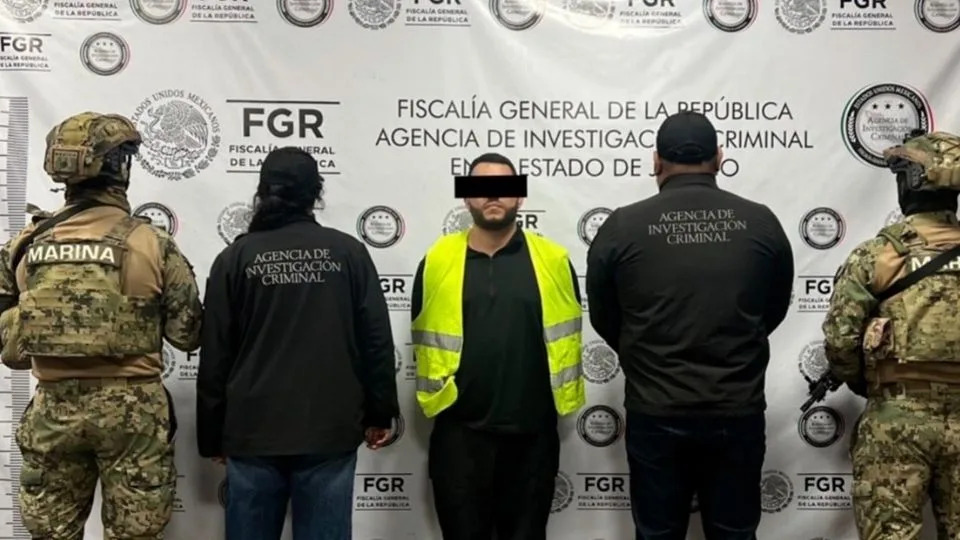
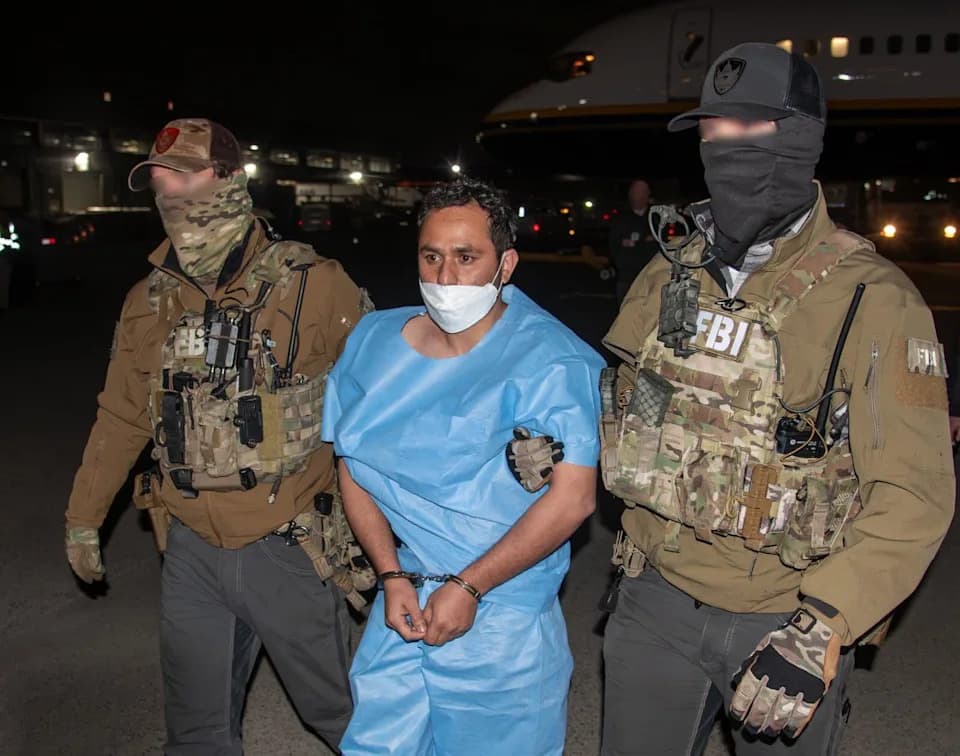
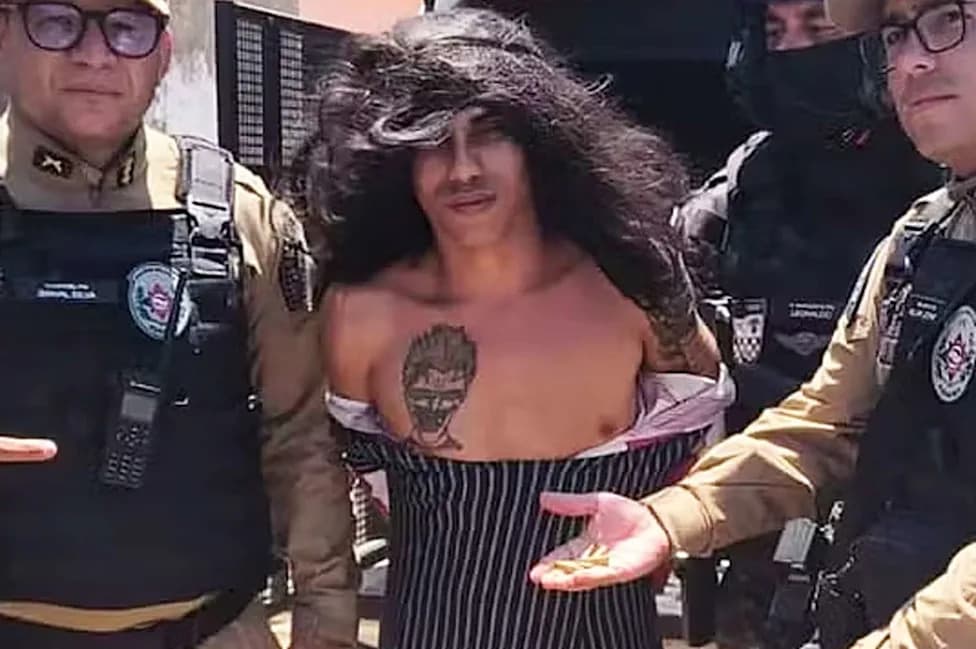
Mexican authorities arrested Ángel Guerrero Carrillo — known as "El Canguro" — in Zapopan, Jalisco, after an intelligence-sharing operation with U.S. agencies, the country's Security Cabinet said. Officials accuse him of coordinating the transportation, distribution and sale of fentanyl and other synthetic drugs destined for the Seattle and Tacoma, Washington, areas.
Authorities say Guerrero Carrillo is an alleged member of a faction of the Beltrán Leyva Organization led by Fausto Isidro Meza Flores, widely referred to as "Chapo Isidro." During the operation, Mexico's Secretariat of the Navy, the Attorney General's Office and the Secretariat of Security and Citizen Protection reported seizing a firearm and ammunition, a bag of methamphetamine (about 50 doses), 15 fentanyl pills, cash and a cellphone.
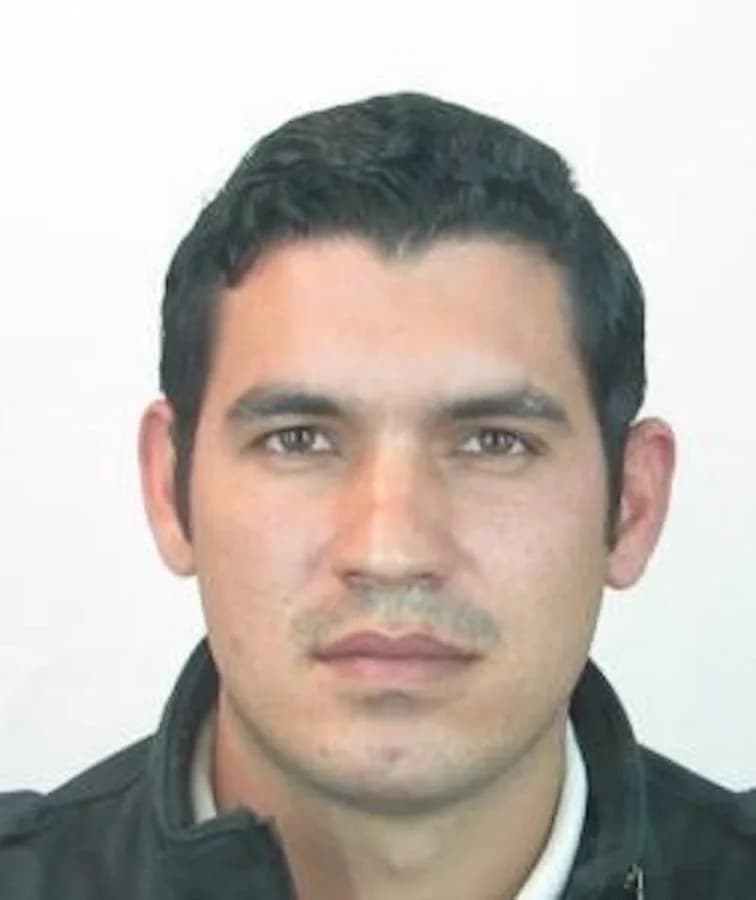
Mexican authorities identified Ángel Guerrero Carrillo as an alleged member of the Beltrán Leyva Organization's faction headed by Fausto Isidro Meza Flores, better known as "Chapo Isidro." (Photo: SSPC)
What Officials Have Said—and Not Said
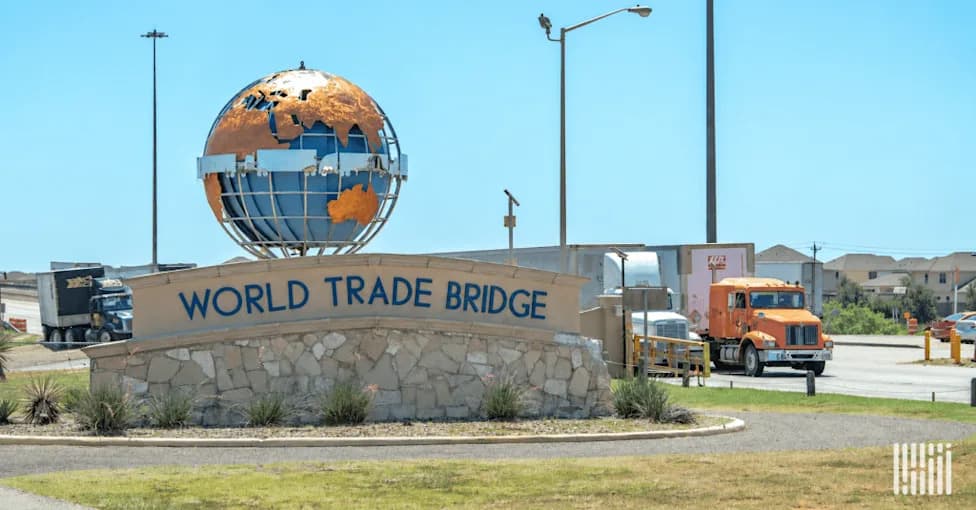
Mexican authorities have not publicly detailed the alleged smuggling routes, which border crossings (if any) were used, or whether commercial trucks were involved in shipments to Washington state. U.S. federal records and sanctions documents, however, show that networks connected to Chapo Isidro have a documented history of using commercial transportation and long-standing distribution ties to Washington.
Historical Links and Federal Evidence
A 2017 federal court opinion arising from an FBI investigation traces links between Meza Flores's group and trafficking into Washington. Federal records cite a confidential informant in 2010 who helped identify a distribution cell tied to the Meza Flores organization, based in Guasave, Sinaloa, which federal prosecutors say worked closely with the larger Beltrán Leyva network to move cocaine, methamphetamine, heroin and marijuana into the U.S. for distribution in Washington, Arizona and other states. The case also described an early transportation lead: in 2010 FBI surveillance of a used-car dealer in Centralia, Washington, agents observed a Chevrolet Impala loaded onto a transport truck; a covert search later uncovered roughly $56,000 in cash and drug ledgers.
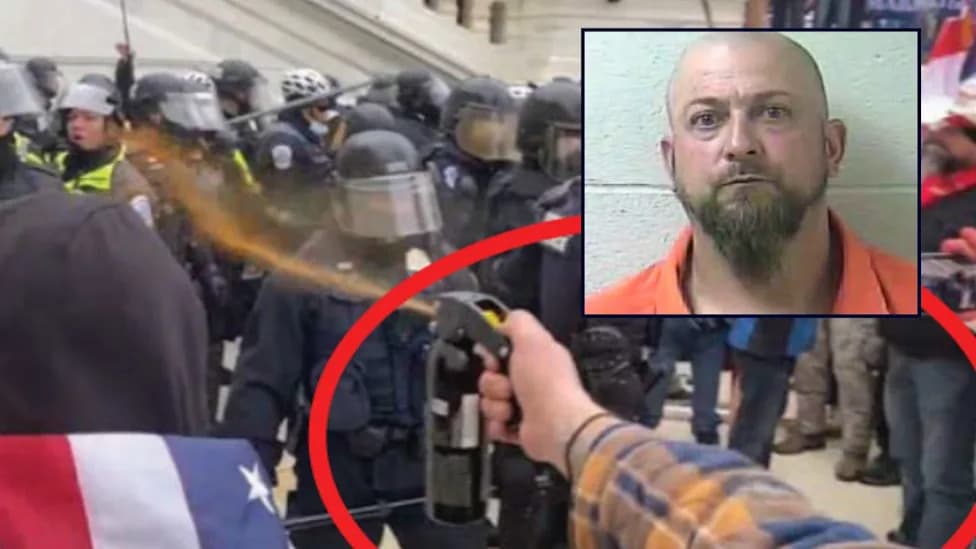
Ángel Guerrero Carrillo, also known as "El Canguro," was arrested Sunday in Zapopan, Mexico, accused of coordinating the transportation and distribution of fentanyl and other drugs into Seattle and Tacoma, Washington. (Photo: Jim Allen/FreightWaves)
Federal filings identified Panfilo Flores Apodaca, an uncle of Meza Flores, as coordinating logistics for shipments into the United States for the organization.
Sanctions and Recent Federal Cases
In December 2023, the U.S. Treasury Department's Office of Foreign Assets Control sanctioned 15 individuals and two companies tied to the Beltrán Leyva Organization, describing the group as heavily involved in transporting and distributing fentanyl and other drugs into the United States. Treasury named Meza Flores ("Chapo Isidro") along with other leaders and noted logistics coordinators who arrange shipments from South America into Mexico before distribution to U.S. markets, including Washington.
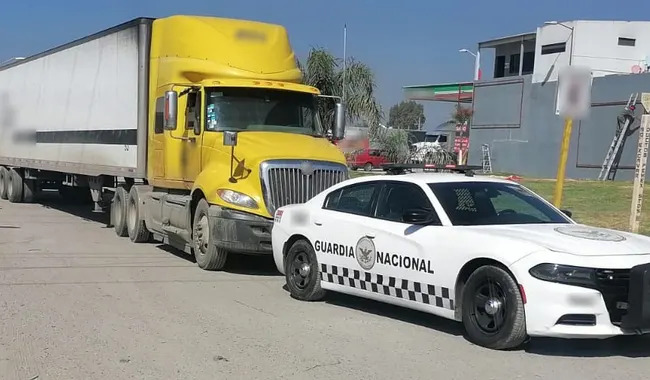
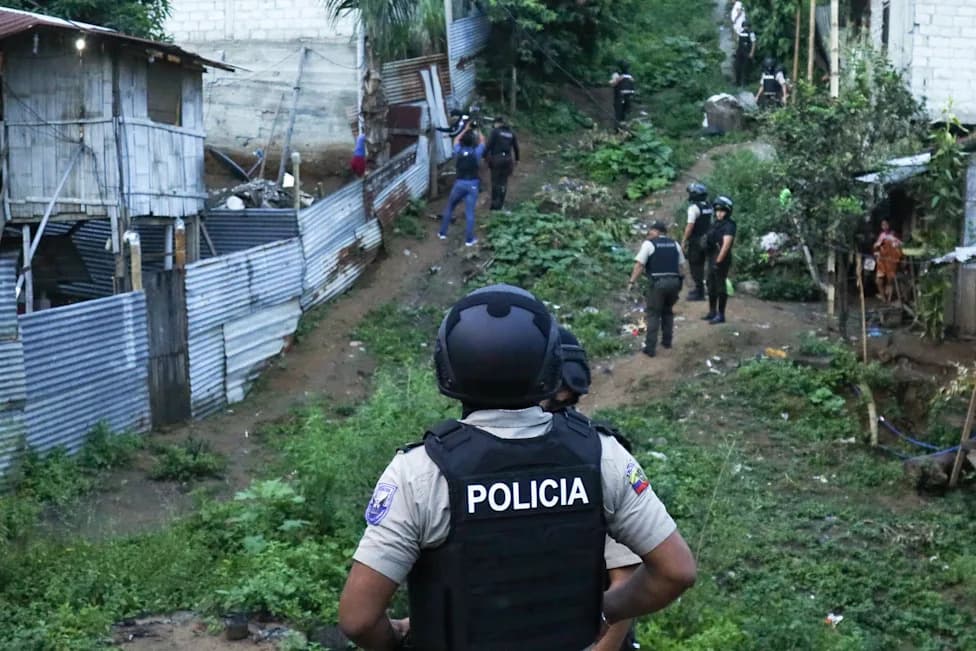
In April 2025, Treasury again described the Beltrán Leyva Organization as heavily involved in transporting and distributing fentanyl, cocaine, heroin and methamphetamine from Mexico into the U.S. (Photo: Guardia Nacional)
Separate federal investigations in 2023 and 2025 documented the use of semi-trucks and tractor-trailers to move massive quantities of fentanyl pills and other drugs—one California case resulted in seizures estimated at roughly 1.4 million pills from a single intercepted trailer. In August 2025, prosecutors in the Western District of Washington announced dismantling a Sinaloa Cartel-linked organization that moved fentanyl, methamphetamine, cocaine and heroin from Mexico through California into western Washington; authorities said the group sometimes used semi-trucks to move narcotics up the West Coast. Officials say that August 2025 case involved a different organization and has not been publicly tied to Guerrero Carrillo or Chapo Isidro.
Why This Matters
While the recent arrest does not prove Guerrero Carrillo used commercial trucks to move narcotics to Washington, it adds another alleged link between Mexican drug-trafficking organizations and transportation networks supplying the Pacific Northwest. Mexican and U.S. authorities have not disclosed which U.S. agency provided the intelligence that led to the Zapopan arrest, and publicly available U.S. records reviewed by FreightWaves do not show U.S. charges against Guerrero Carrillo at this time.
Note: The facts in this report reflect statements and public records from Mexican authorities and U.S. federal filings. Investigations are ongoing, and officials have released limited details about routes, methods and potential U.S. charges.