Researchers at the University of Würzburg reared nearly 15,000 hibernating bees and wasps from 160+ Bavarian sites under simulated spring warming and found all five species emerged earlier at higher temperatures. Individuals from warmer-origin populations retained more mass, while females of some summer species lost up to 34% of body weight—reducing reproductive potential and foraging energy. The study warns that mismatches between pollinator emergence and plant flowering, plus depleted energy reserves, could harm pollinators, plant reproduction and wider ecosystems; gardeners can help by providing continuous blooms and nesting habitat.
Warm Springs Make Bees Emerge Early — And Weaken Them: What Gardeners Need to Know
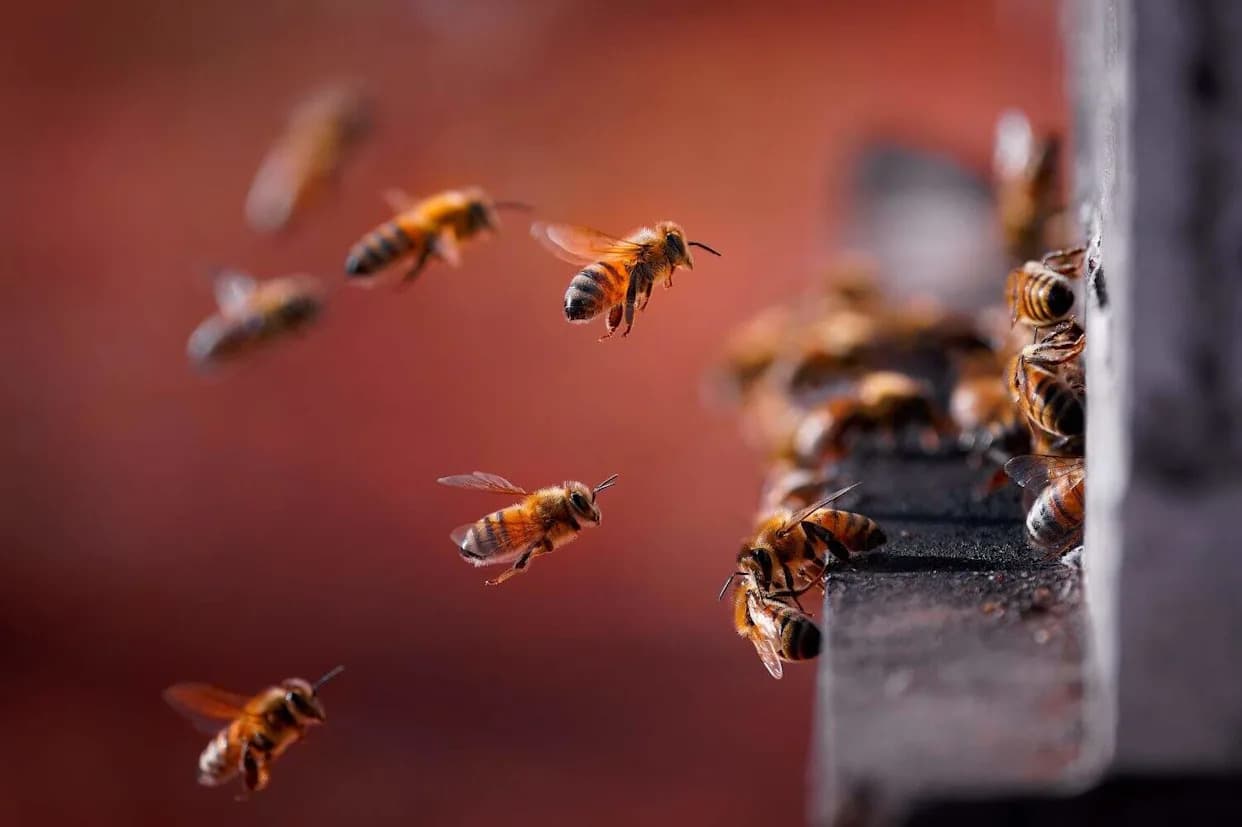
Beekeeping or apiculture, care of the bees, working hand on honey, apiary (also bee yard) with beehives and working beekeepers in australian outback, honey bee on the honeycomb or flying home.© Martin Pelanek/Shutterstock.com
Have you noticed more—or fewer—bees in your garden this spring? A large new experiment from the University of Würzburg shows that warmer spring temperatures are pushing bees and wasps to hatch earlier and often leave them in poorer condition.
What the Study Did
Published on April 13 in Functional Ecology, researchers collected nearly 15,000 hibernating bees and wasps from more than 160 sites across Bavaria. They reared individuals from five species under controlled spring-temperature scenarios to test how warming affects both the timing of emergence and the insects’ physiological condition.
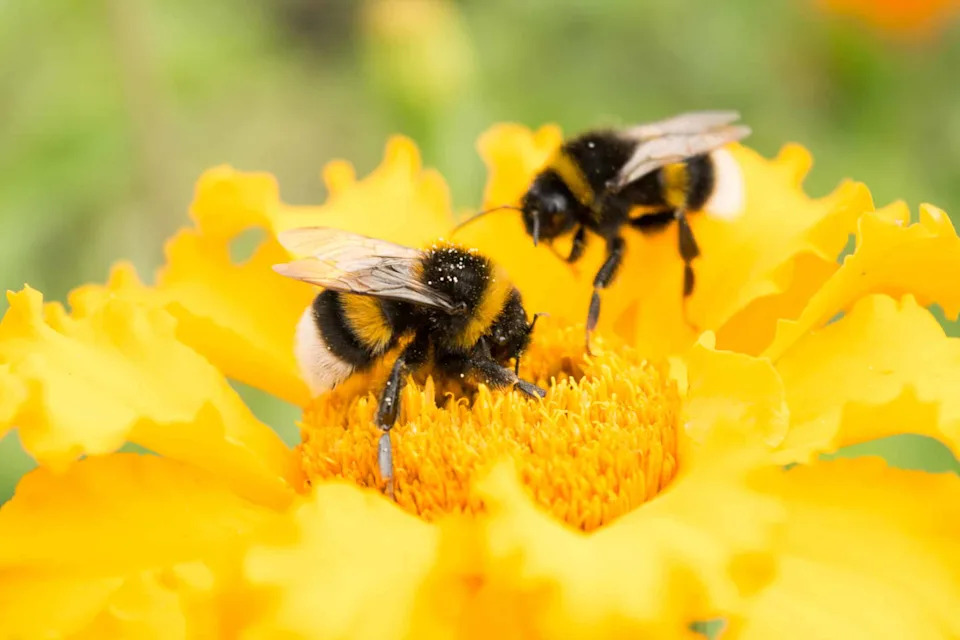
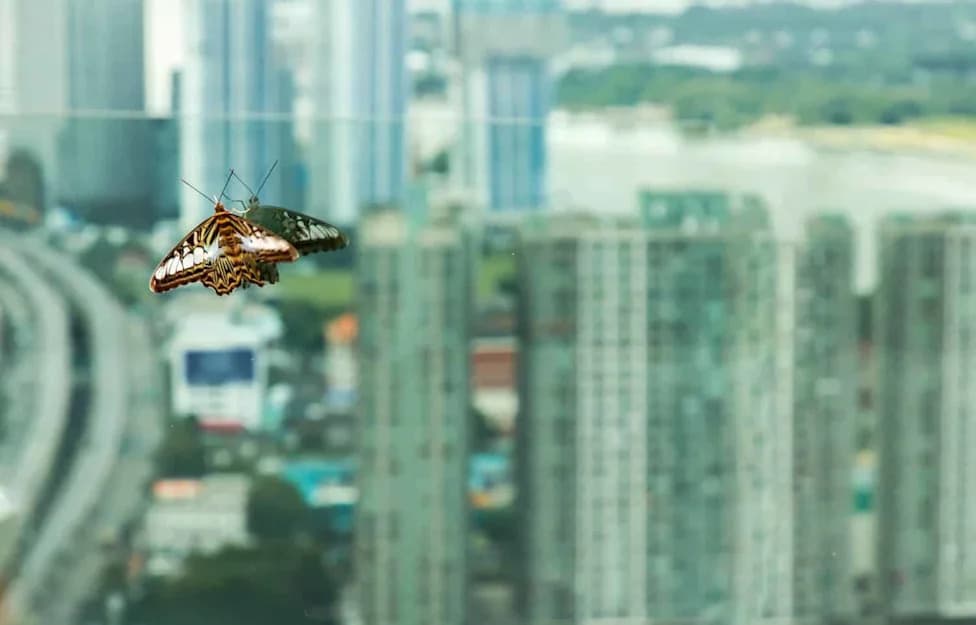
Warming winter temperatures are affecting pollinators and plants on many levels, a new study suggests.©nnorozoff/iStock via Getty Images
Key Findings
Across all five species, warmer simulated springs triggered earlier emergence. However, responses varied by the insects' region of origin: populations from warmer areas tended to hatch especially early and retained more body mass, while those from colder regions lost energy more rapidly and emerged in poorer condition.
Notably, females of some summer-emerging species lost as much as 34% of their body mass under warmer conditions. Because body mass strongly influences reproductive success and the energy available for initial foraging, these losses could reduce population growth and pollination capacity.
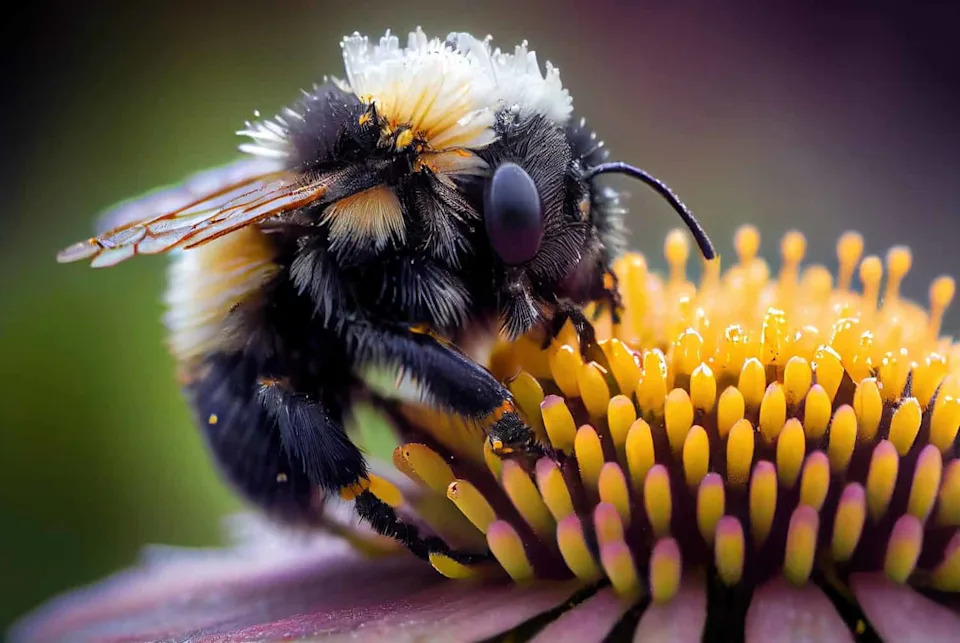
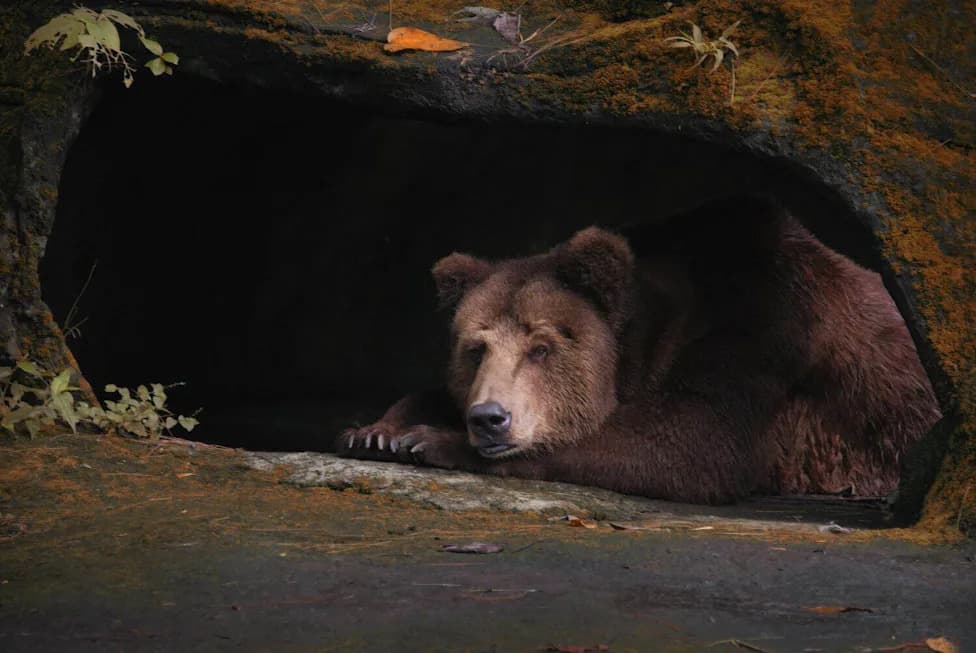
During warmer winters, dormant adult bees burn more of their reserves and often lack the energy to survive come springtime.©ArtEvent ET/Shutterstock.com
Why Timing and Reserves Matter
Most wild bees overwinter as pupated larvae in cocoons or—if they are early-season species—as fully developed adults. Dormant adults gradually burn fat reserves while awaiting spring. Warmer winter and spring temperatures accelerate that drain, so insects can enter the active season with depleted energy or even hatch before floral resources are available.
These shifts increase the risk of phenological mismatches—when pollinators and flowering plants fall out of sync—reducing seed set and overall plant reproduction. Long-term monitoring, including a 19-year bumblebee study, has already linked early snowmelt and mismatches with declines in seed production.
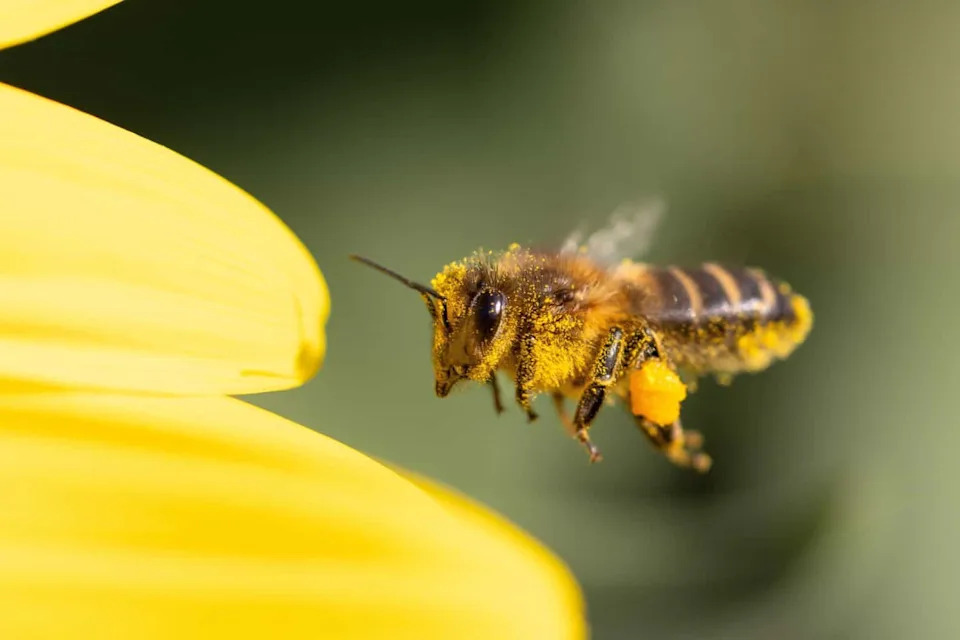
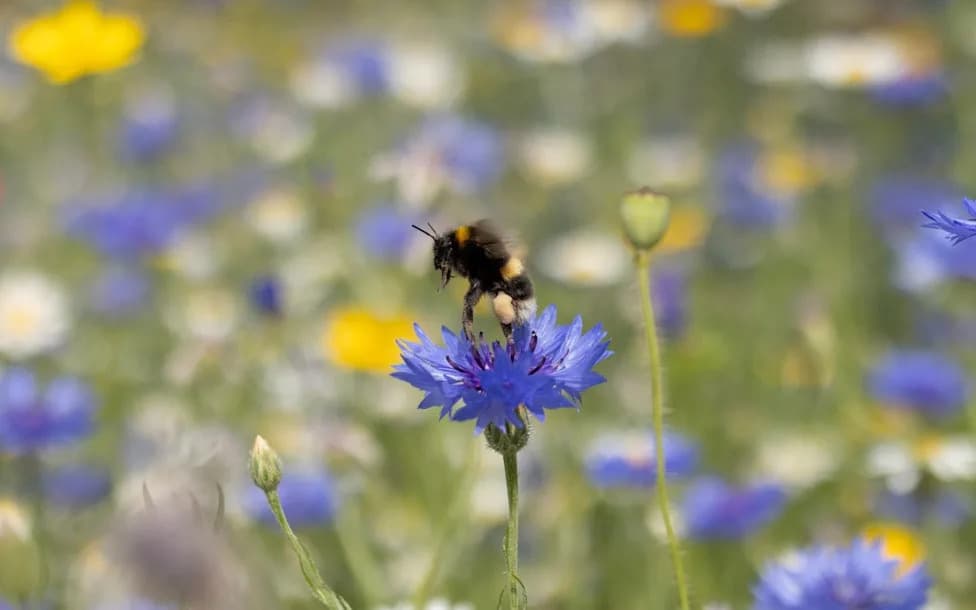
Plants and bees are growing and emerging during misaligned times, which means neither can flourish.©Chedko/Shutterstock.com
Broader Implications
The study underscores that vulnerability to warming depends on an insect’s ancestral climate: cool-adapted populations are particularly at risk as climate zones change. A broader literature review also finds warming trends associated with smaller body sizes, lower fertility, reduced survival and weaker physiological performance in pollinators.
Disrupted pollination networks can ripple through ecosystems—affecting plant communities, predator–prey relationships, forests and agriculture—raising potential secondary extinction risks for plants, especially at higher latitudes.
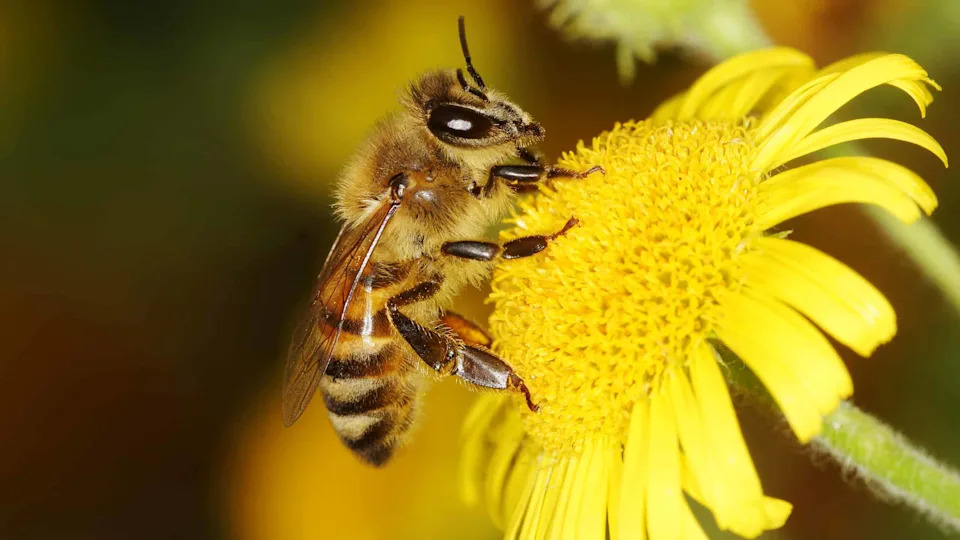
So much of our world relies on pollinators, so protecting them after a warm winter is a must.©Maciej Olszewski/Shutterstock.com
What Researchers Will Study Next
The Würzburg team is now exploring how additional days of extreme heat (beyond average warming) influence hatching outcomes, how depleted reserves affect actual pollination in the field, and how fast insect populations might adapt to shifting temperature cues.
Practical Advice for Gardeners
For gardeners, these findings matter: the bees and wasps you spot after a warm winter are often survivors of a stressful dormancy. You can help by providing continuous blooms throughout the season, avoiding pesticide use, and leaving or creating nesting habitat (bare soil patches, brush piles, bee hotels). Small actions in home gardens can support pollinators struggling with a changing climate.
Bottom line: Warmer springs can cause earlier emergence and depleted energy reserves in bees and wasps, with consequences for reproduction and pollination. Supporting floral resources and nesting sites can help buffer local pollinator communities.
Help us improve.