The Bureau of Land Management has scheduled an oil-and-gas lease sale for the Arctic National Wildlife Refuge coastal plain on June 5, the first under a new law requiring four sales over a decade. Previous refuge auctions have been tied up in litigation or attracted no bids, and the area remains fiercely contested by Gwichʼin leaders and conservation groups who call the plain sacred. BLM estimates the area could hold 4.25–11.8 billion barrels of recoverable oil, but data are limited and legal challenges are expected to continue.
U.S. Sets June 5 Lease Sale for Arctic Refuge Coastal Plain Amid Legal Battles and Indigenous Opposition
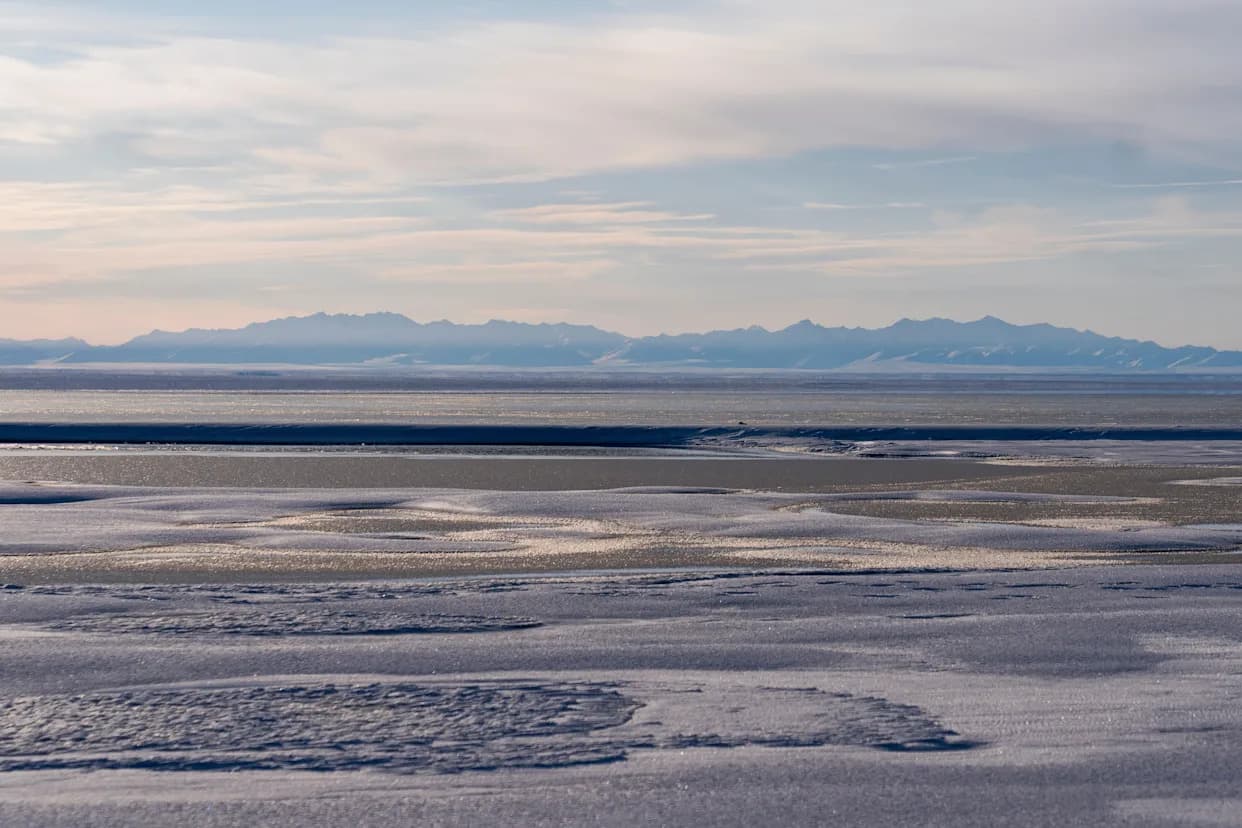
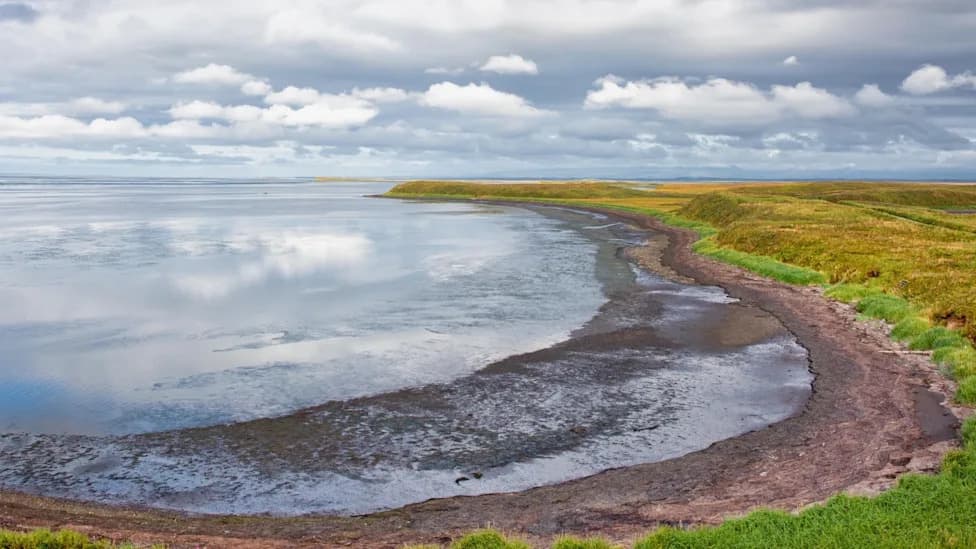
FILE - The Kaktovik Lagoon and the Brooks Range mountains of the Arctic National Wildlife Refuge are seen in Kaktovik, Alaska, Oct. 15, 2024. (AP Photo/Lindsey Wasson, File)(ASSOCIATED PRESS)
The U.S. Bureau of Land Management (BLM) has scheduled an oil-and-gas lease sale for the Arctic National Wildlife Refuge’s coastal plain on June 5, continuing a contentious federal push to open the region to development despite active litigation and strong opposition from Indigenous communities and conservation groups.
This would be the first coastal plain sale conducted under a law passed by Congress last year that requires four lease sales over a 10-year period. It would also be the third lease sale in the refuge overall — following an auction late in President Donald Trump’s first term that remains tied up in court, and another held in early 2025, shortly before President Joe Biden left office, that drew no bids from major oil companies.
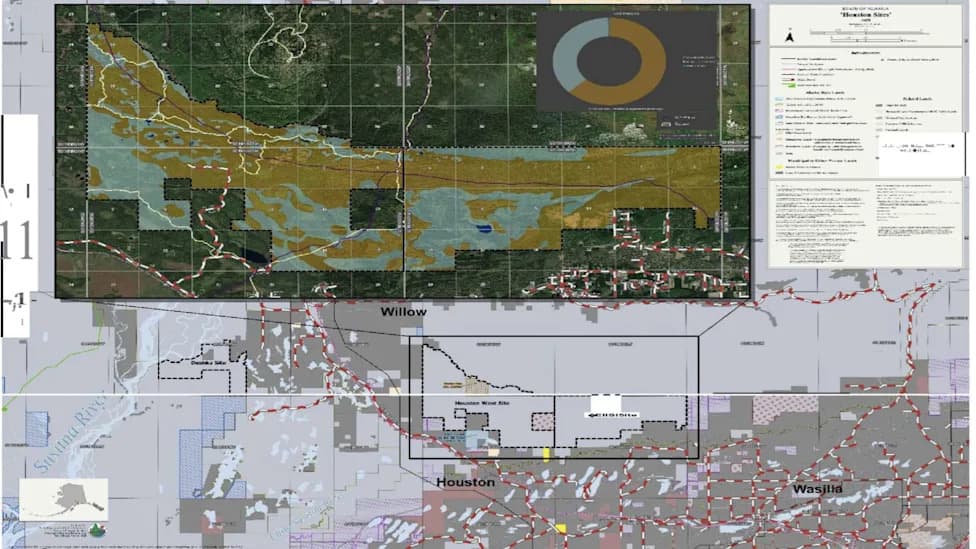
The announcement comes amid an aggressive effort by the current administration to expand energy development in Alaska. Earlier this year, a separate lease sale in the National Petroleum Reserve–Alaska, where the large Willow project is underway, attracted hundreds of bids, while a recent Cook Inlet sale received none. Acting BLM director Bill Groffy said the robust response in the petroleum reserve demonstrated a “robust and continuing demand for Alaskan energy,” and that demand underscores the need for more opportunities like the planned Coastal Plain sale.
Local Views and Indigenous Opposition
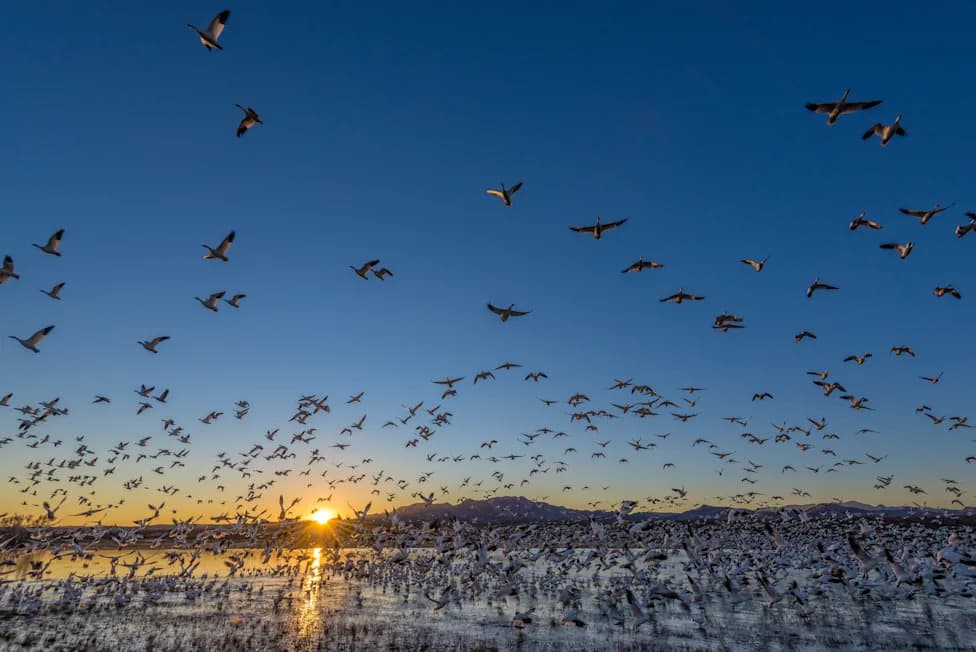
Leaders from Gwichʼin communities near the refuge and conservation organizations have vowed to continue legal and public campaigns to block drilling on the coastal plain. The Gwichʼin regard the plain as sacred because it is the primary calving ground for a migratory caribou herd central to their culture, subsistence and identity. Conservation groups also emphasize the refuge’s rich wildlife habitat — including muskoxen and migratory birds — and argue the area should remain off-limits to industrial development.
“The Trump Administration’s relentless push to auction off this sacred land despite overwhelming public opposition and industry that has already signaled they are not interested makes clear that this administration values corporate interests over the rights and lives of Indigenous peoples,” said Galen Gilbert, First Chief of the Arctic Village Council. “We will continue to fight with every tool available to protect the Coastal Plain for our children and all future generations.”
Economic Arguments and Uncertainty
Some local leaders, including officials in Kaktovik — an Iñupiaq community inside the refuge — support what they describe as responsible development to help sustain regional economies. The BLM has estimated the coastal plain may contain between 4.25 billion and 11.8 billion barrels of recoverable oil, while noting that data on quantity and quality remain limited. Conservationists counter that the refuge is a national ecological treasure and that the risks to wildlife, climate and Indigenous ways of life outweigh uncertain economic benefits.
Given the history of litigation and political controversy, the June 5 sale is likely to prompt fresh legal challenges and public protests. Observers say the outcome — whether leases are sold or go largely unbid again — will shape the next phase of debates over Arctic energy, Indigenous rights and U.S. conservation priorities.
Help us improve.