Teen activists in Anchorage oppose a state plan to transfer nearly 20,000 acres near Houston, Alaska, to AIDEA for an industrial park and potential data center. They say the tract includes about 41.8 miles of trails and vital habitat for salmon, moose and other wildlife, and warn that data centers can demand roughly 300,000 gallons of water per day and large amounts of electricity. The teens also cite a 2022 review that attributed about $233.3 million in losses to prior AIDEA-backed ventures and urged the public to comment before the Sept. 14 deadline.
Alaska Teens Rally Against 20,000‑Acre Transfer Near Houston, Warn Of Data Center Risks
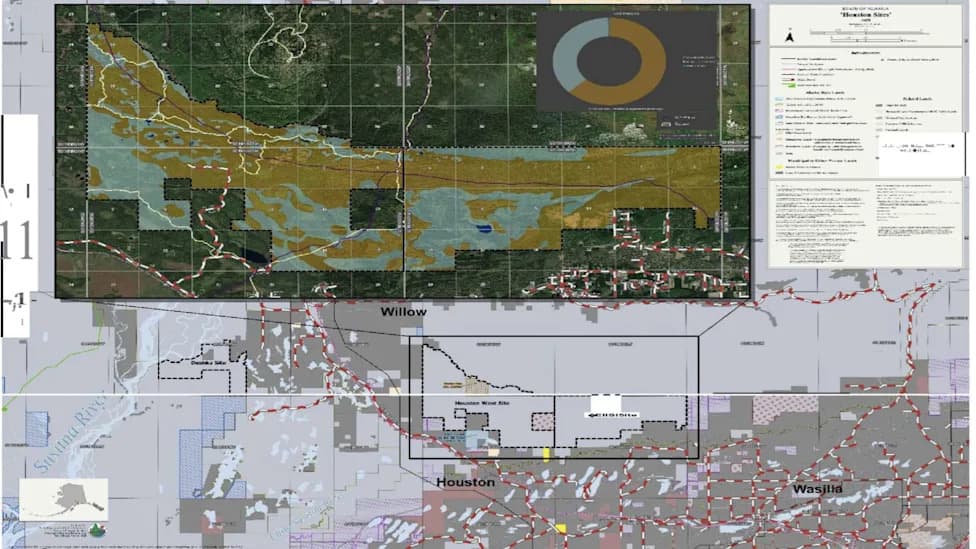
Photo Credit: Alaska Department of Natural Resources
Teen activists in Anchorage are mounting a public campaign against a state proposal to transfer nearly 20,000 acres of public land near Houston, Alaska, to the Alaska Industrial Development and Export Authority (AIDEA). They warn that the move could convert forested terrain, trail networks and important wildlife habitat into an industrial park — and possibly a data center — with lasting local impacts.
What’s at Stake
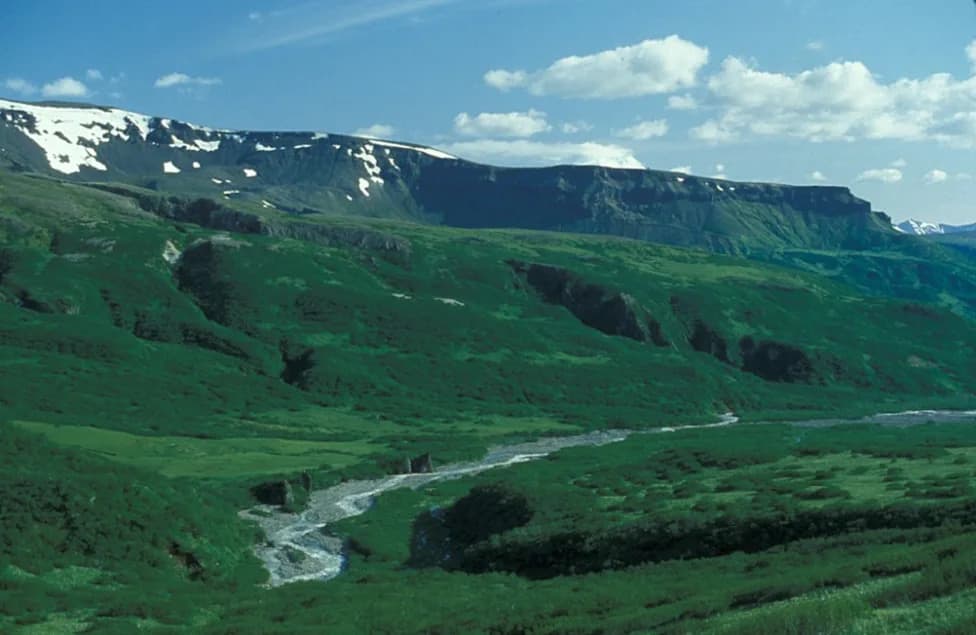
The teens, writing in a guest column for the Alaska Beacon on behalf of Alaska Youth for Environmental Action, say the parcel includes about 41.8 miles of trails used for running, biking and collecting firewood, and provides habitat for salmon, moose and other wildlife. If approved, the Department of Natural Resources transfer would place the tract under AIDEA, the state entity that facilitates and finances development projects.
Planned Uses and Local Concerns
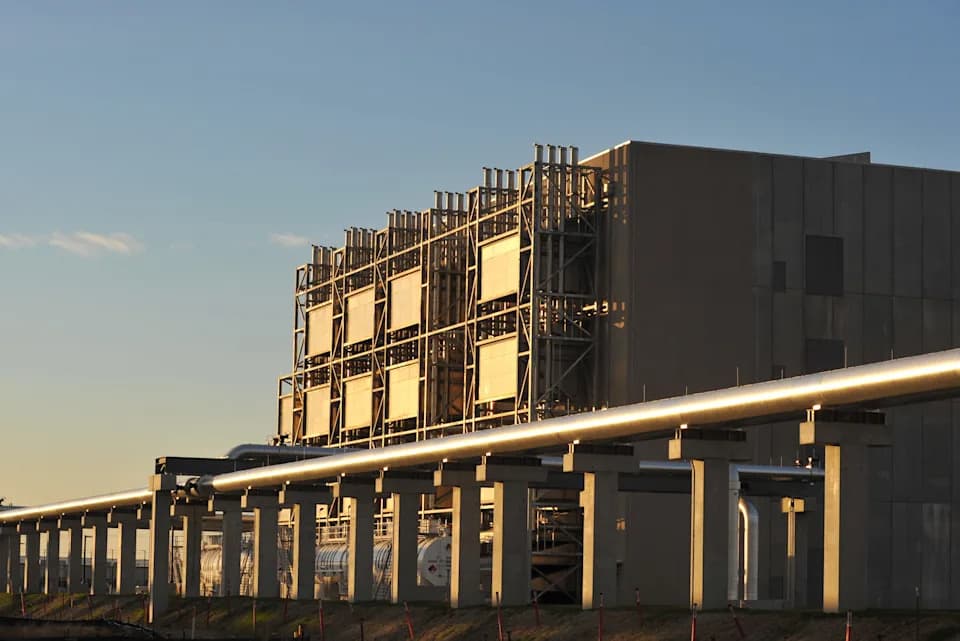
AIDEA has described the site as a potential industrial park featuring roads, manufacturing pads and a possible data center. Opponents object to the proposal’s scale and to repurposing public land that communities use for recreation and subsistence. They say infrastructure for large facilities could fragment forest, reduce habitat quality and alter long-standing uses of the land.
Resource, Pollution, And Financial Worries
The teens highlight resource demands and pollution risks associated with data centers: even a midsize facility can require roughly 300,000 gallons of water per day and substantial electricity, placing pressure on local water supplies and power grids. They also cite research linking data center construction and operation to increased carbon emissions and potential contamination from PFAS — the persistent "forever chemicals."
The column raises questions about AIDEA’s track record, pointing to a 2022 review by economists Milt Barker and Gregg Erickson that concluded ventures backed by the authority — including an Anchorage fish-processing plant, the Ambler Road project and Mustang Oil — produced about $233.3 million in losses over a 35-year period.
Broader Context
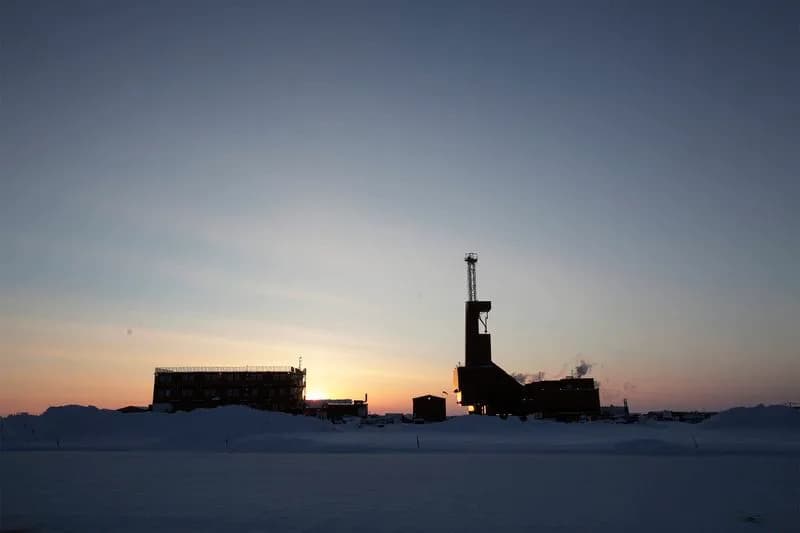
The Houston dispute is part of a larger national and statewide pattern of communities challenging data centers and other large industrial projects that they say strain open space, wildlife habitat and local resources. Examples cited include concerns in Hood County and Taylor, Texas, and legal challenges in Alaska over drilling in protected areas.
"We should not sacrifice our land, water, and communities to power an industry serving distant demands," the teens wrote, urging readers to submit comments before the public comment deadline.
The state accepted public comments on the proposed transfer through Sept. 14; the teens urged Alaska Beacon readers and local residents to object before that deadline. Opponents say the decision raises a core land‑use question: should public acreage be repurposed to serve industries driven by demand elsewhere when local communities will bear the environmental and social costs?
Help us improve.