The Supreme Court ruled 8-0 that Chevron met the legal standard to remove Louisiana coastal-erosion suits to federal court because the challenged conduct bore a meaningful connection to federal work. The decision, authored by Justice Clarence Thomas, vacated a Fifth Circuit ruling and sends the cases back to lower courts for further review. The ruling could affect dozens of similar suits filed since 2013 and is a procedural victory for Chevron, though it does not resolve liability on the merits.
Supreme Court Lets Chevron Move Louisiana Coastal-Erosion Suits To Federal Court in 8-0 Ruling
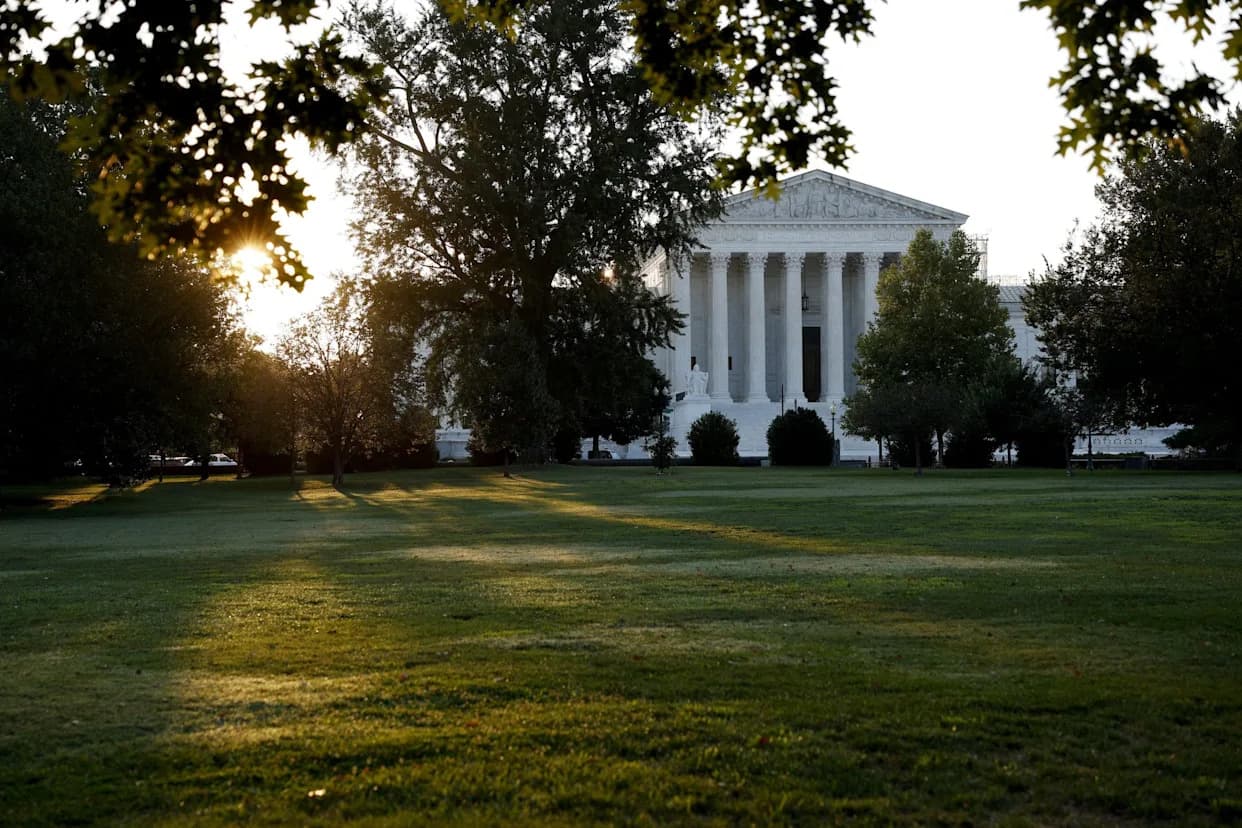
Supreme Court sides with Chevron, oil companies in Louisiana environmental lawsuits
The U.S. Supreme Court on Friday ruled 8-0 that Chevron met the legal standard to remove state-law coastal-erosion suits filed by Plaquemines and Cameron parishes to federal court because the challenged conduct bore a meaningful connection to federal work.
Justice Samuel Alito did not participate in the decision. Writing for the Court, Justice Clarence Thomas said the removal statute allows contractors and others "acting under" federal authority to shift related claims into federal court when those claims "relate to" the performance of federal duties.
Case Background and Rationale
The suits — part of dozens of similar cases filed in Louisiana since 2013 under the State and Local Coastal Resources Management Act — seek billions in damages from Chevron and other oil and gas companies accused of failing to clean, detoxify and restore drilling sites. A Louisiana jury last April found Chevron liable for more than $744 million to Plaquemines Parish.
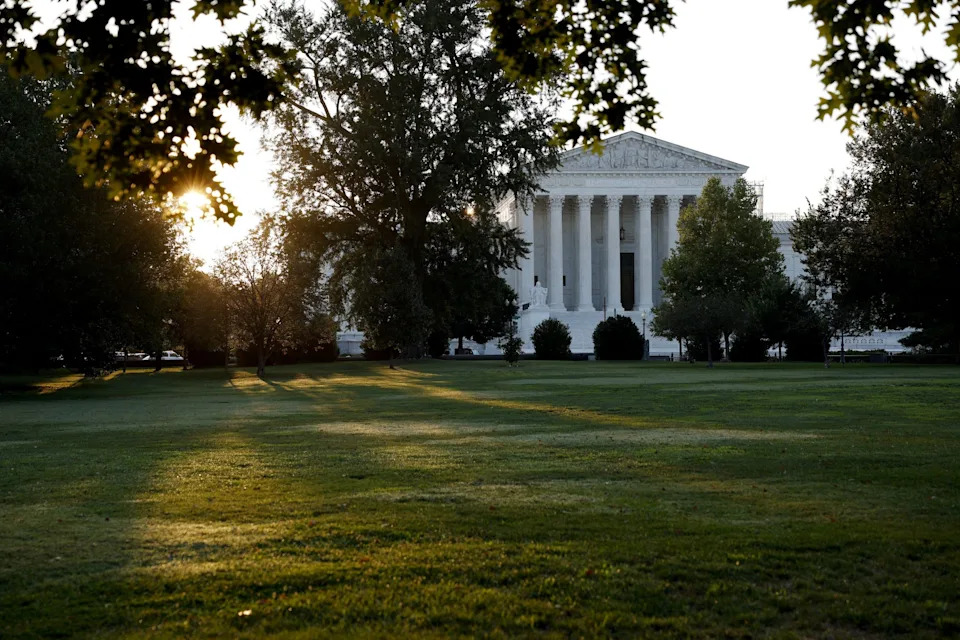
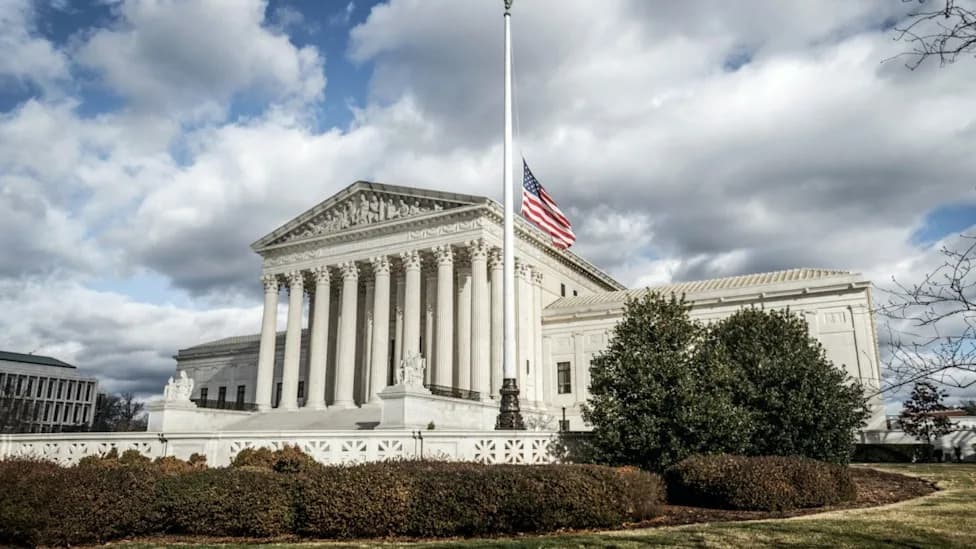
The Supreme Court building is seen in Washington, D.C.(Getty Images)
Chevron argued that at least some Gulf Coast production was tied to wartime contracts to refine crude oil into aviation fuel for the U.S. military, creating a meaningful link between the companies' operations and federal work. The Supreme Court agreed that this connection suffices to meet the removal standard, so long as the relationship is not "tenuous, remote, or peripheral."
"Chevron's case fits comfortably within the ordinary meaning of a suit 'relating to' the performance of federal duties," Justice Thomas wrote.
What the Decision Means
The Court vacated a decision by the U.S. Court of Appeals for the Fifth Circuit that had left the case in state court and remanded the matter for further proceedings consistent with the Supreme Court's opinion. The ruling lowers the threshold for moving state-law claims to federal court when allegations bear a meaningful connection to federal contracts or duties, a procedural outcome many defendants favor.
While this is a significant procedural victory for Chevron, the decision does not decide liability on the merits. Instead, lower courts must now reassess similar suits to determine whether each claim sufficiently "relates to" federal activity to permit removal. The ruling could therefore reshape litigation strategy across a range of environmental and climate-related suits against oil and gas companies and other federal contractors.
Bottom line: The unanimous ruling (with one justice recused) expands the circumstances under which state-law claims linked to federal contracts or duties can be heard in federal court, potentially affecting dozens of pending Louisiana coastal-erosion cases.
Help us improve.