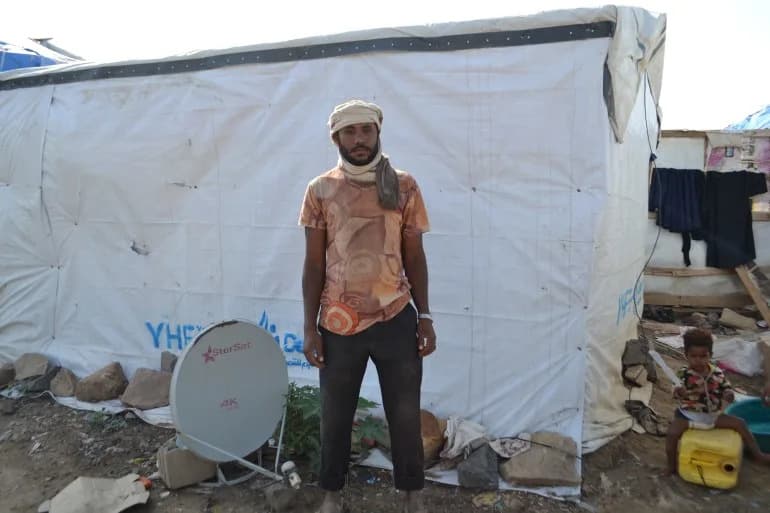
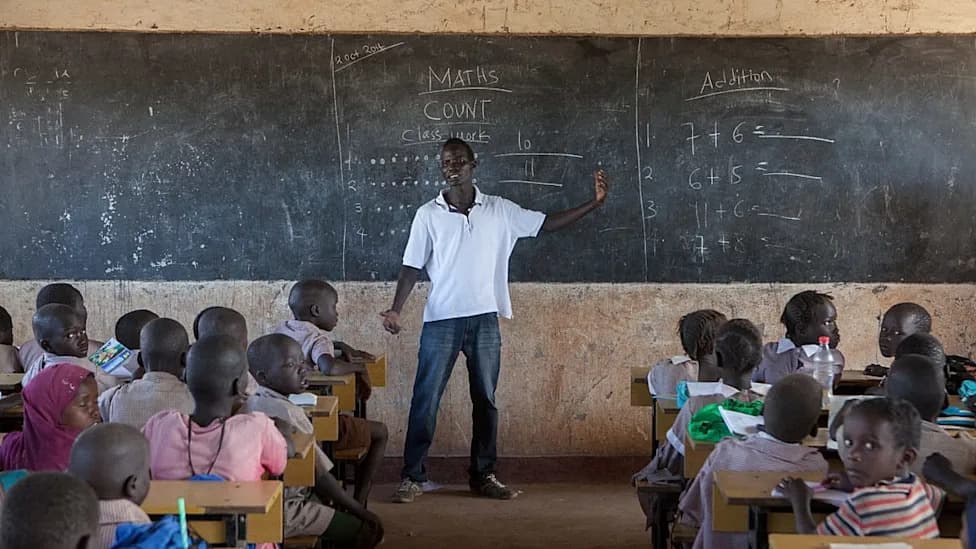
In Sanaa, 14-year-old Qasim and his 12-year-old brother Asem have left school to collect plastic bottles and help feed their family amid Yemen’s prolonged conflict. UNICEF reports 3.2 million out-of-school children and 1.5 million displaced children at risk of permanent dropout. Destroyed schools, unpaid teachers, shrinking aid and severe unemployment have pushed families to prioritise work over education. Experts warn this short-term survival strategy will harm children’s futures and the country’s long-term development.
Forced to Drop Out: Yemen’s Children Trade Classrooms for Survival
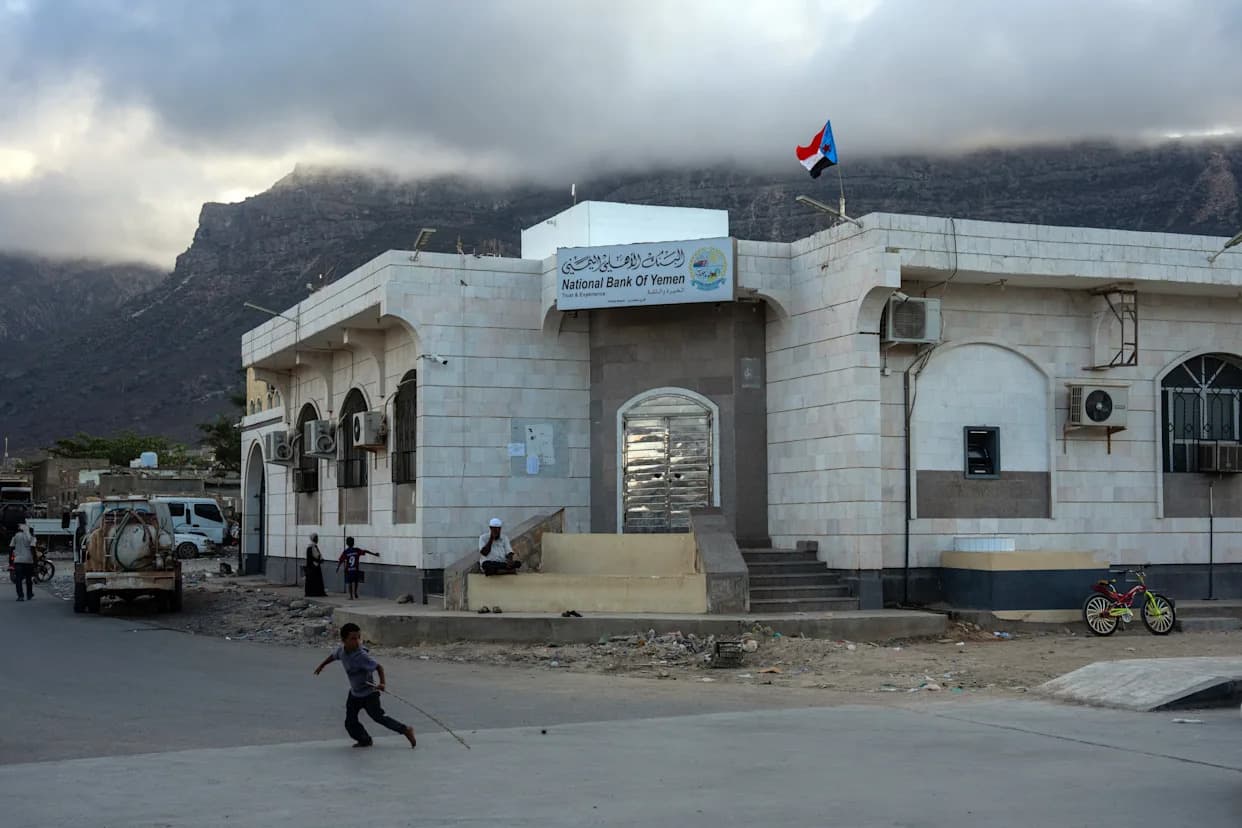
Thousands of children in Yemen have dropped out of school, opting to work instead [File: Carl Court/Getty Images]
In Sanaa at 7am, 14-year-old Qasim begins another day focused on survival rather than study. He leaves his family’s rented flat carrying a white sack about one metre long and half a metre wide, hoping to fill it by 11:30am.
A Day In The Life
Qasim gathers plastic bottles to sell to local buyers who recycle them. A sack of bottles can bring in as much as 1,500 Yemeni riyal — roughly $3 — which the boy uses to buy lunch for his family of six. In the afternoons he sometimes plays football with other children, but his 12-year-old brother Asem takes the next shift collecting bottles to help pay for dinner.
“Sitting in the classroom would not feed me,” Qasim says softly, glancing at the sack he carries in a busy Sanaa neighbourhood.
Scale Of The Crisis
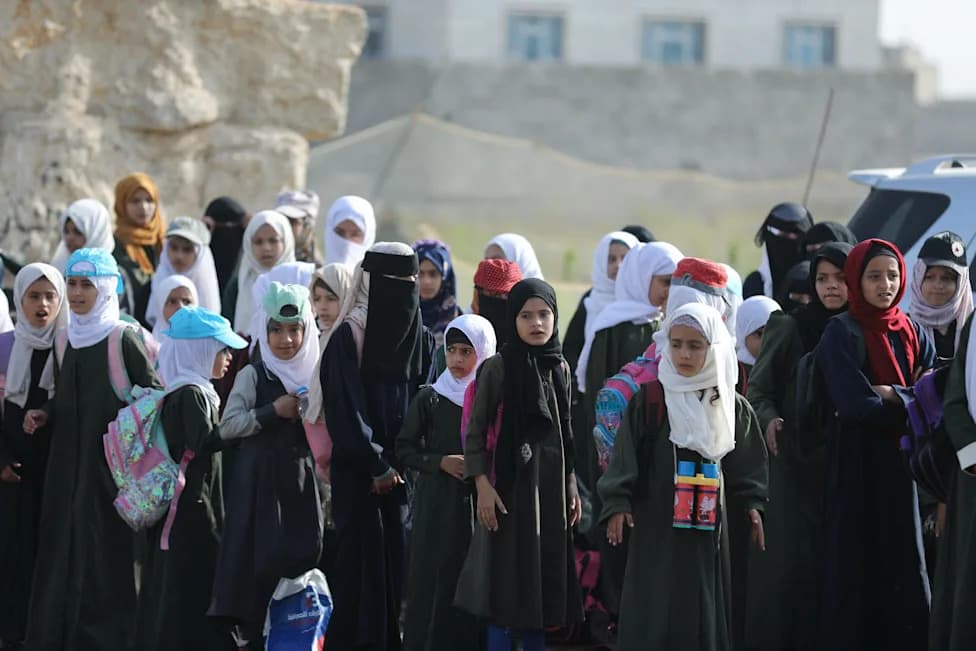
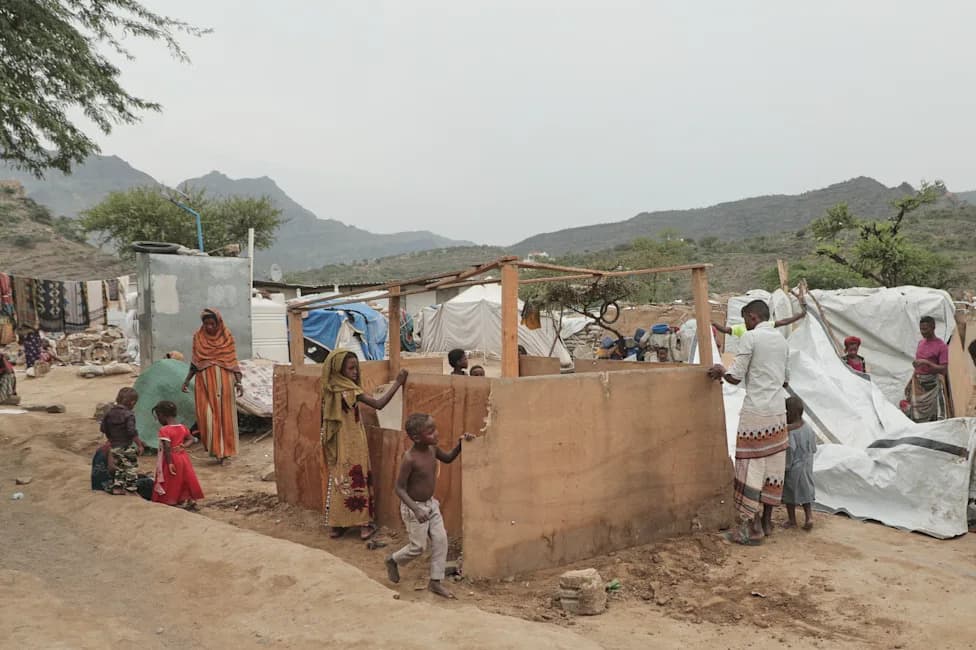
More than a decade of violent conflict between Iran-backed Houthi forces and the Saudi-backed government has devastated Yemen’s economy and public services. UNICEF estimates that 3.2 million school-aged children are out of school and 1.5 million displaced children risk permanent dropout. Despite an April 2022 ceasefire that eased frontline fighting, millions still lack reliable access to education.
Why Families Pull Children From School
Economic collapse, soaring unemployment and the erosion of public services have shifted parental priorities. Many fathers say they no longer feel guilty about sending children to work when schools no longer promise a path out of poverty. Abdu, Qasim’s father, a 48-year-old daily-wage labourer, says his pain comes from not being able to feed his children, not from them leaving school.
“Seeing a hungry child is more painful than seeing a child drop out,” Abdu tells Al Jazeera. “Why should I let my children spend years at school and then come to work in such jobs? They can start working now instead.”
At the fourth Riyadh International Humanitarian Forum, Yemen’s minister of planning said the conflict has inflicted economic losses exceeding $250 billion and pushed unemployment to about 35 percent — facts that help explain why many families view formal education as a risky investment.
Education System Under Strain
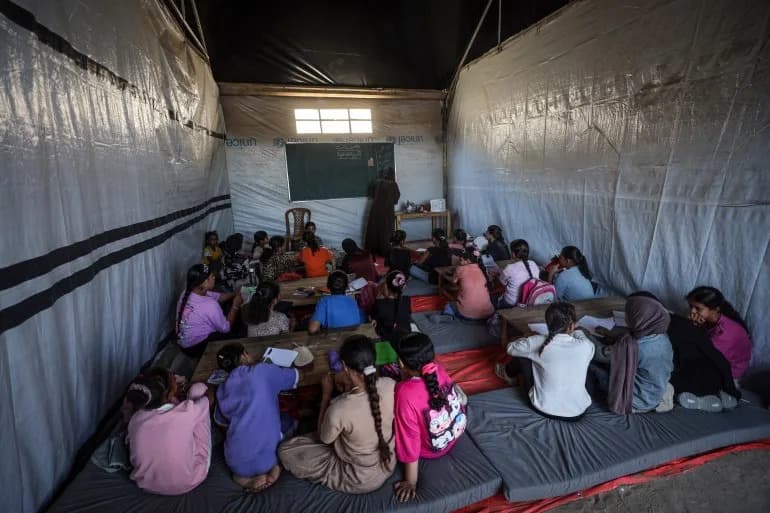
Save the Children reports more than 2,400 schools in Yemen are destroyed, partially damaged, or reused for other purposes. Overcrowding, missing teachers and irregular or unpaid salaries have further weakened the quality of learning. Many teachers have left the profession or remain demotivated, undermining students’ interest and performance.
“If educators are neglected or devalued, they cannot instill the love for education among students,” says Fatima Saleh, a schoolteacher in Sanaa. “A hungry, indebted teacher cannot be an inspiration for students.”
Long-Term Consequences And Perspectives
Experts warn that short-term coping strategies — sending children to work — create long-term harm for individuals and society. Mahmoud al-Bukari, an academic in Taiz, says depriving children of schooling narrows their future opportunities and produces social and economic problems that will endure for generations.
Afrah al-Humaiqani, a sociology professor in Aden, frames the issue as a human-rights violation: denying children education and forcing them into the workforce can produce lifelong anxiety and limit a nation’s development in the long run.
International aid and humanitarian programs that once supported education have contracted, leaving many families and schools without crucial help. Journalists and researchers say the ceasefire did not resolve the underlying economic problems that drive school dropout rates.
Adaptation And Hopes
Faced with bleak prospects for returning to formal schooling, many children like Qasim are turning to informal vocational training or apprenticeships. Qasim now hopes to learn a trade — painting, carpentry or welding — so he can earn a living.
“I try to learn any skill I can in this city. I will not return to the classroom,” he tells Al Jazeera.
The story of Qasim and Asem highlights a wider tragedy: without sustained economic recovery, restored public services and renewed investment in teachers and schools, Yemen risks losing a generation of children to child labour and curtailed opportunity.
Help us improve.