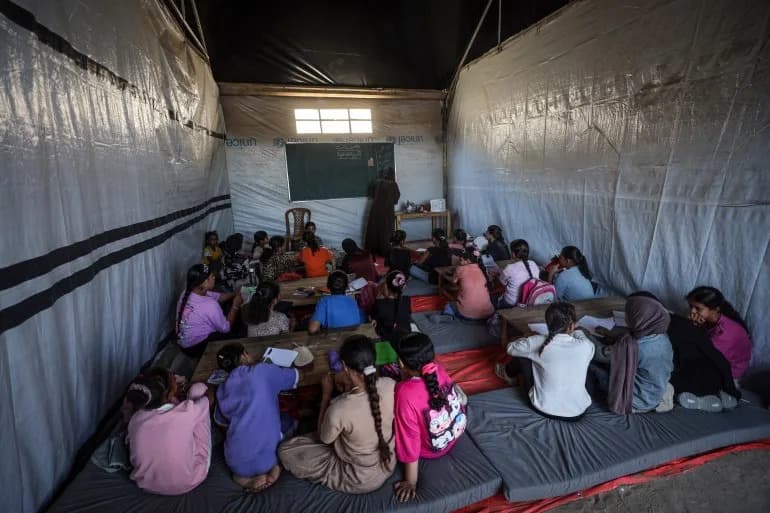
Attacks on education surged in 2024–2025, with at least 8,566 incidents recorded and 10,600 students and education staff harmed — a rise of more than 40% from the previous period. Experts warn that damage extends beyond buildings to whole education systems, risking long-term poverty and cycles of violence. While accelerated learning and technology can narrow some gaps, psychosocial support and stronger international cooperation are vital to protect and rebuild schooling in conflict-affected areas.
When War Steals Schooling: How Children Lose Years of Learning — And What Can Help Them Catch Up
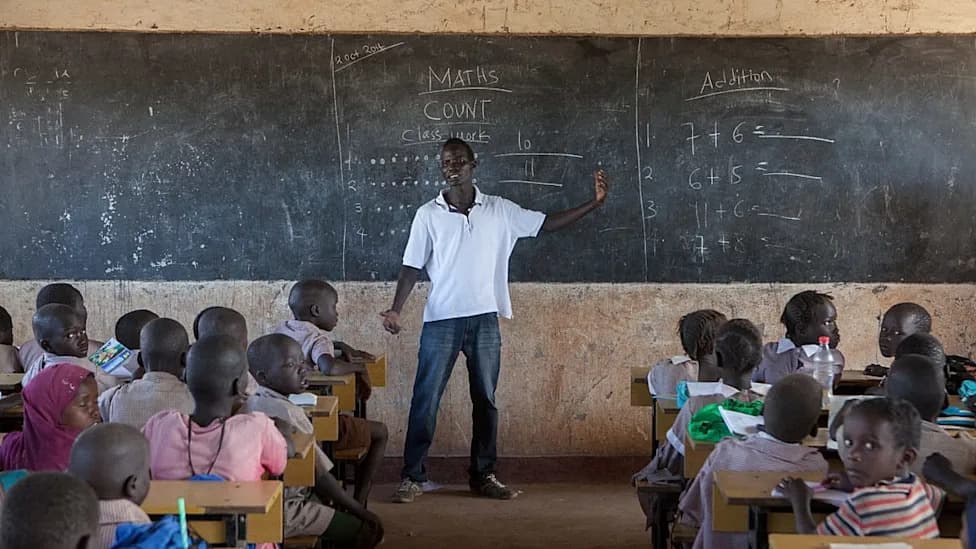
When war takes away the classroom, can children ever catch up?
Millions of children across Ukraine, Sudan, Gaza and other conflict zones have been pushed out of classrooms for months or even years as fighting damages schools, forces closures and disrupts entire education systems. The latest Education Under Attack report records at least 8,566 attacks on education and cases of military use of schools and universities in 2024–2025, a rise of more than 40% from the previous reporting period. At least 10,600 students, teachers and other education personnel were harmed.
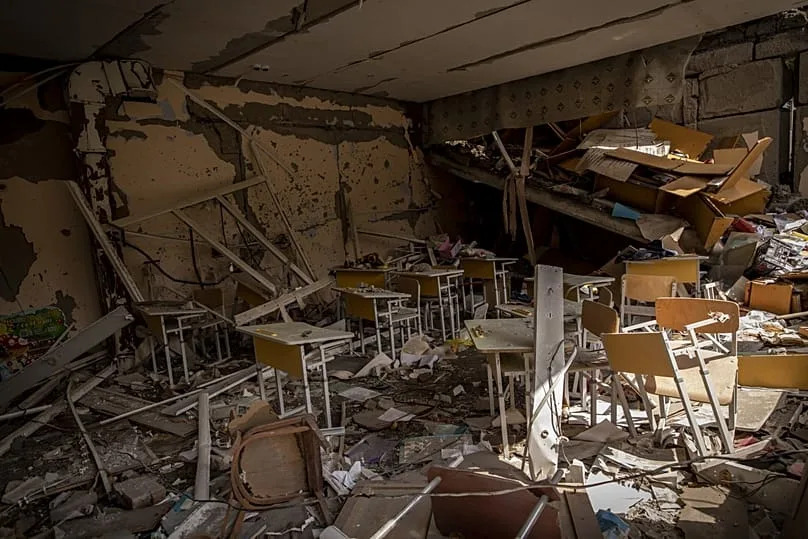
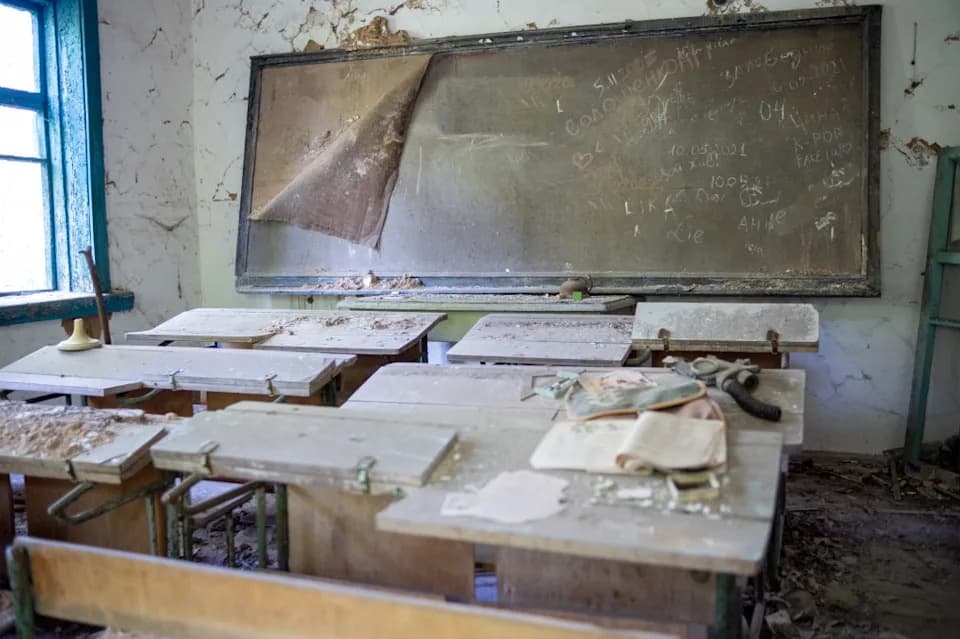
A school in the Zeleny Hai village in the Mykolaiv region of southern Ukraine, dated 13 March 2022. - Education Above All Foundation
Scope of the Problem
Physical damage to buildings is only the most visible sign of harm. Dr Maleiha Malik, Executive Director of the Education Above All Foundation, warns that attacks on education undermine whole systems, deepen poverty and can entrench cycles of violence long after active hostilities end.
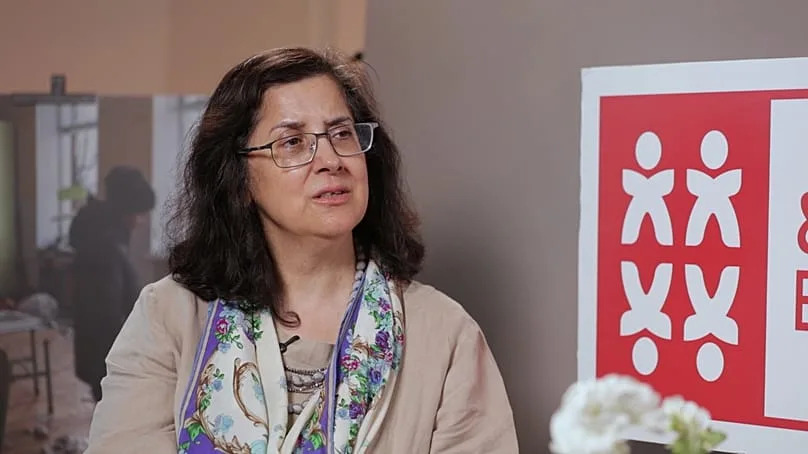
Dr Maleiha Malik says technology and accelerated learning can help children catch up, but cannot undo the damage caused by conflict. - Euronews
"The impact of that is devastating," Dr Malik told Euronews. "We can have some accelerated learning, they can catch up, but I don't want to give the impression that there is any way we can compensate for the damage that conflict causes. We can't."
Can Children Catch Up?
Accelerated learning programmes and digital tools can help reduce some of the learning gaps created by disruption. The COVID-19 pandemic showed educators how remote and blended approaches can deliver learning outside the traditional classroom. But experts stress limits: lost instructional time, interrupted curricula and trauma can all limit how much progress is recoverable.
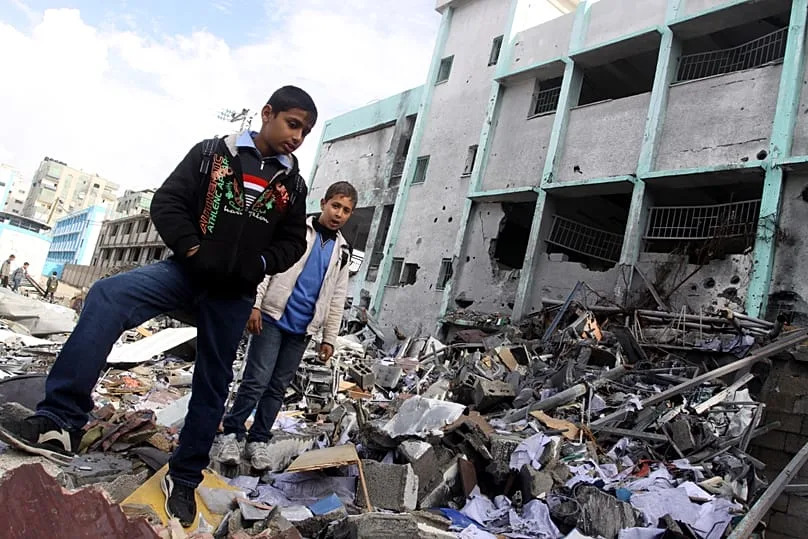
Palestinian students survey the damage at a school in Gaza, dated 2015. - Education Above All Foundation
Beyond Academics: Trauma and Stress
Academic catch-up is only one part of recovery. Children exposed to violence, rocket alerts, sudden school closures or the stresses of displacement also need psychosocial support. Malik emphasises treating the child as a whole and prioritising mental-health and social-emotional interventions alongside teaching.
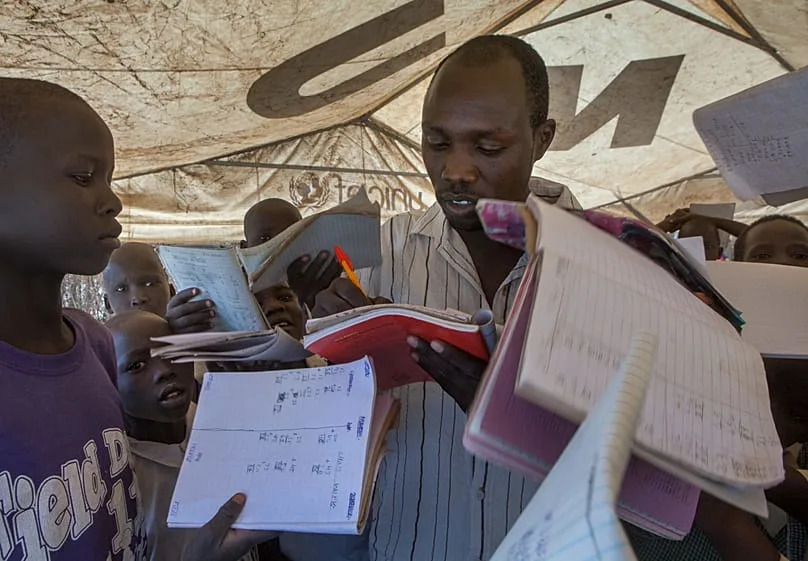
Children crowd an overworked teacher at Unity primary school in the Kakuma refugee camp in North Western Kenya. - Education Above All Foundation
Changing Patterns Of Attack
Malik and UN reporting note a troubling shift: increased involvement of state forces in attacks on schools. She described this as a new, alarming threshold in which governments appear more willing to risk striking civilian infrastructure — with long-term consequences for protection and accountability.
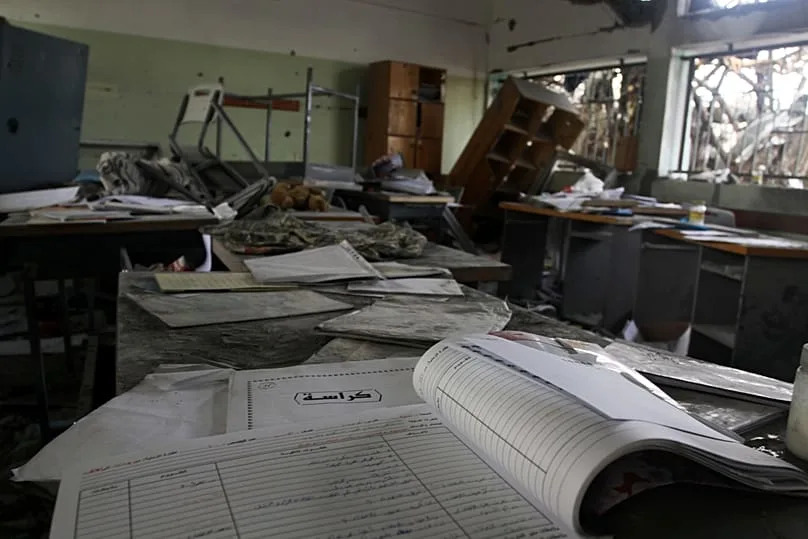
A damaged school in Gaza, dated 2015. - Education Above All Foundation
Where The Effects Are Felt
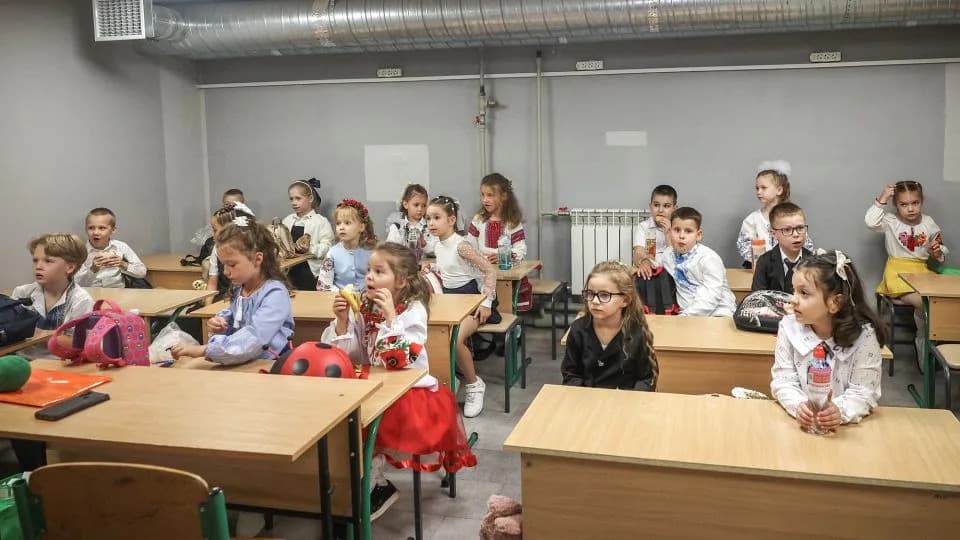
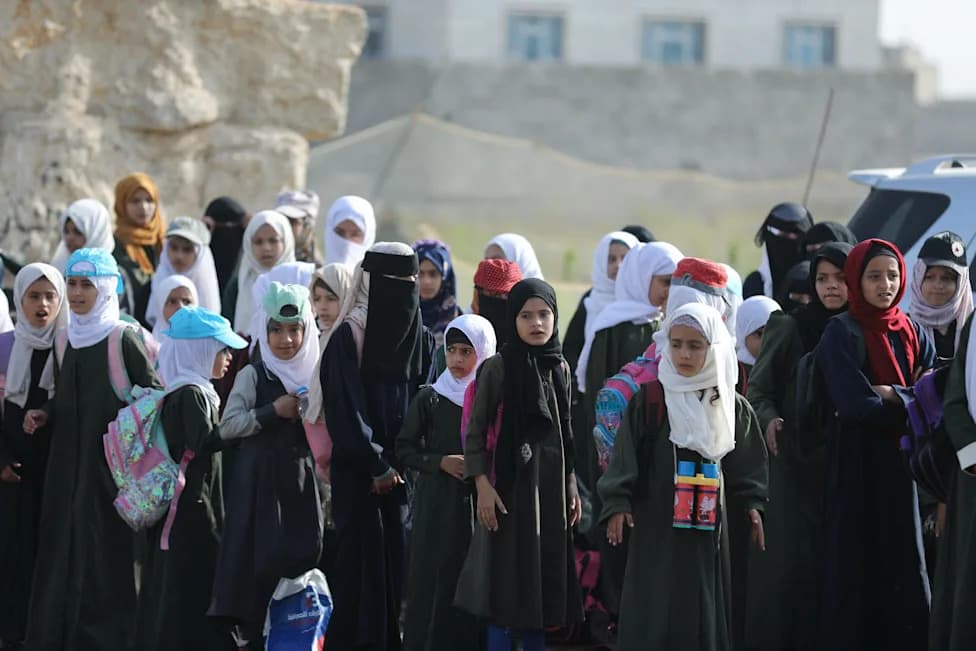
The impact of conflict reverberates far beyond front lines: teachers in overcrowded refugee settings such as Kenya's Kakuma camp contend with large numbers of children with interrupted schooling; children in Gulf states like Qatar also experience anxiety from regional tensions, including rocket alerts and frequent disruptions to daily life.
International Law And The Global Response
International humanitarian law is intended to protect schools and civilians in conflict, but rising attacks demonstrate gaps in enforcement and prevention. Malik calls for strengthened multilateral cooperation — not abandonment of international institutions — to better protect education and promote peace.
"You can't help but reach that conclusion. I think there's a huge failure in terms of the international community," she said. "I'm more determined than ever and would call for a strengthening of our commitment to multilateralism as a way of bringing about peace rather than war."
Practical Advice For Families And Educators
Malik recommends parents be honest with children about disruption while using age-appropriate language, and for education responses to combine accelerated learning with psychosocial support. Donors, governments and NGOs are urged to prioritise safe school access, teacher training and systems-level recovery to prevent long-term loss.
Key facts: 8,566 recorded attacks on education in 2024–2025; more than a 40% rise from the previous reporting period; at least 10,600 education staff and students harmed.
Help us improve.