Argentina's lower house approved an amendment to the Glacier Law that opens some glacial and periglacial zones to mining, passing 137-111-3 after nearly 12 hours of debate. The change — already cleared by the Senate — would ease extraction of lithium, copper and silver in parts of the Andes and transfer more decision-making power to provincial governments. Environmental groups warn the move imperils water supplies and fragile ecosystems; thousands protested outside parliament and seven Greenpeace activists were detained.
Argentina's Lower House Approves Mining In Glacial Regions, Sparking Mass Protests
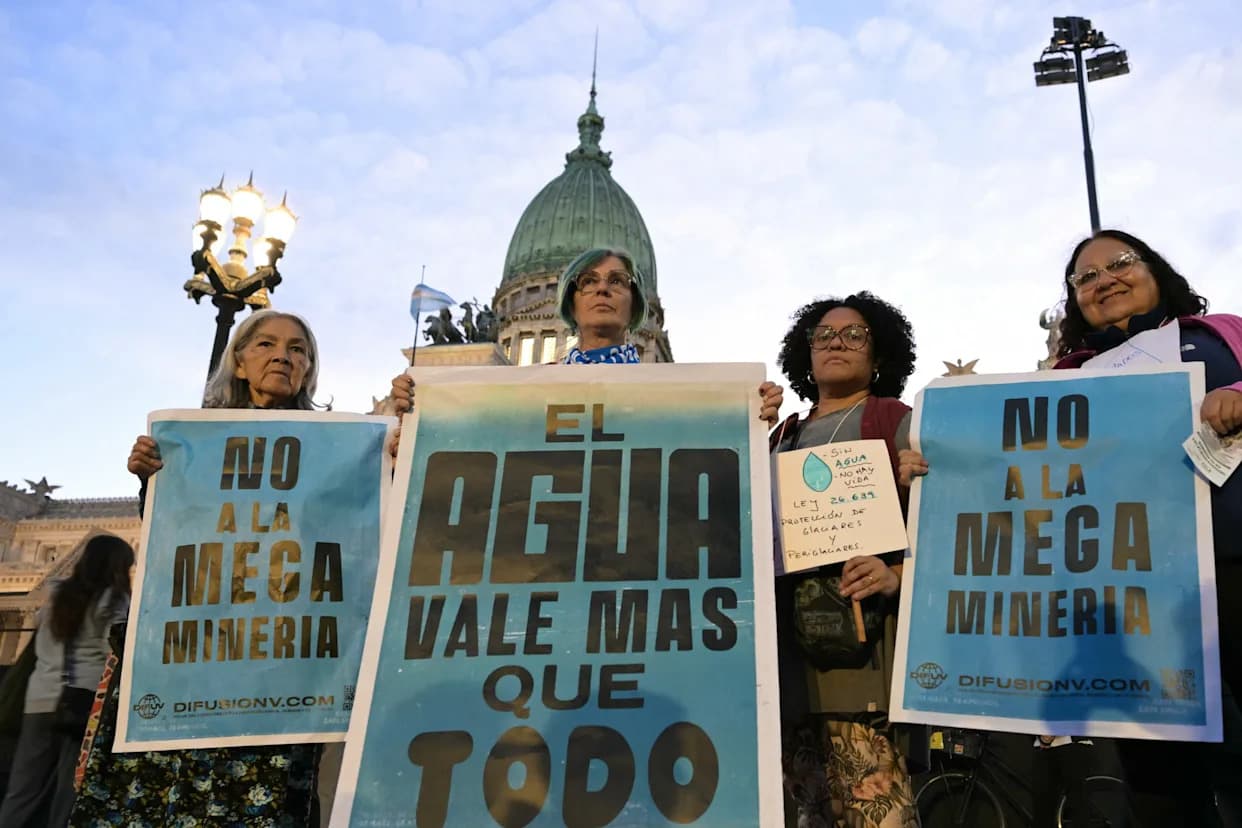
Demonstrators protest against modifications to the Glacier Law in front of the Congress building in Buenos Aires on April 8, 2026 [File: AFP]
Argentina's Chamber of Deputies this week approved an amendment to the country's Glacier Law that would permit mining in certain glacial and periglacial areas of the Andes. The vote came after nearly 12 hours of debate and passed 137 in favour, 111 against, with three abstentions.
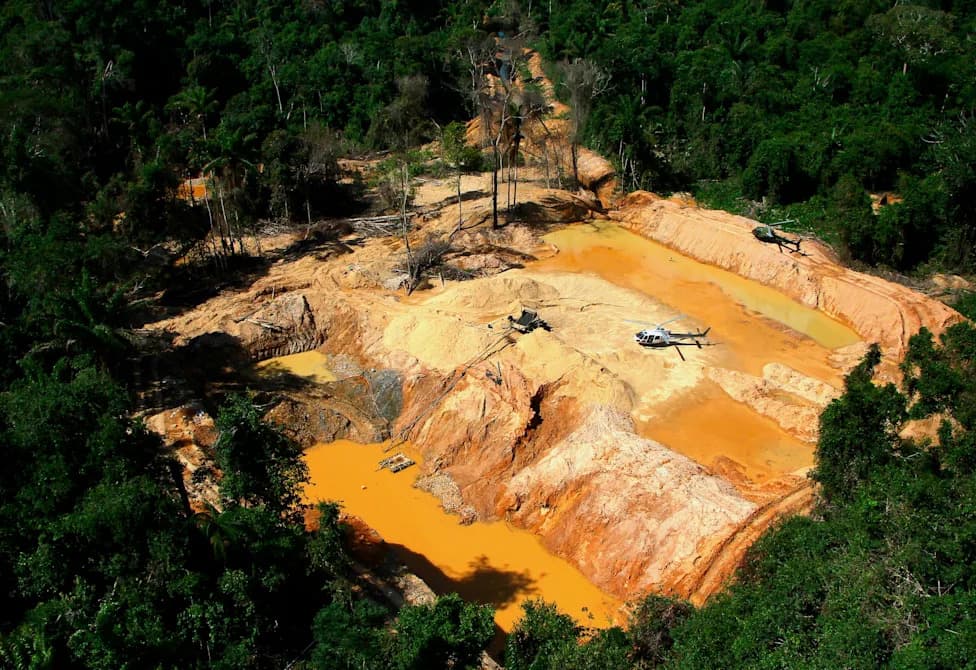
The amendment, already approved by the Senate in February, would make it easier to extract metals such as lithium, copper and silver from frozen mountain zones. Proponents say expanded mining will attract investment and boost exports; opponents warn it risks irreversible damage to water sources and fragile ecosystems.
What Changed
Under the existing law, a national scientific body designated which glaciers and periglacial environments received protection. The reform shifts greater discretion to provincial governments, enabling provinces to decide which areas to protect and which could be opened to economic activity.
Reaction And Protests
Thousands of demonstrators marched near the parliamentary complex in Buenos Aires on Wednesday, with sporadic clashes reported between protesters and police. Several demonstrators carried banners reading "Water is more precious than gold!" and "A glacier destroyed cannot be restored!"
Earlier the same day, seven Greenpeace activists were detained after climbing a statue outside the legislature and unfurling a banner accusing politicians of betraying the Argentine people.
“Combining environmental protection and sustainable development is possible,” said Nicolas Mayoraz, an MP from President Javier Milei's La Libertad Avanza party.
“The science is clear … there is absolutely no possibility of creating what they call a 'sustainable mine' in a periglacial environment,” said environmental activist Flavia Broffoni after addressing protesters.
Context And Risks
Argentina has nearly 17,000 glaciers and rock glaciers, according to a 2018 inventory. In the northwest — where most mining activity is concentrated — glacial reserves declined by about 17% over the past decade, a drop the Argentine Institute of Snow Research, Glaciology and Environmental Sciences attributes mainly to climate change.
President Javier Milei, a free‑market politician who has questioned aspects of mainstream climate science, argues the reform is necessary to attract large-scale mining projects. Argentina is a major global source of lithium — a critical input for batteries and green technologies — and the Central Bank of Argentina has said, relying on industry forecasts, that the country could triple its mining exports by 2030.
The passage of the amendment represents a political victory for Milei, who earlier this year pushed through changes to labour laws despite street protests. Critics say the glacier amendment risks long-term damage to water security and mountain ecosystems, while supporters stress potential economic gains and provincial autonomy over resource decisions.
Help us improve.