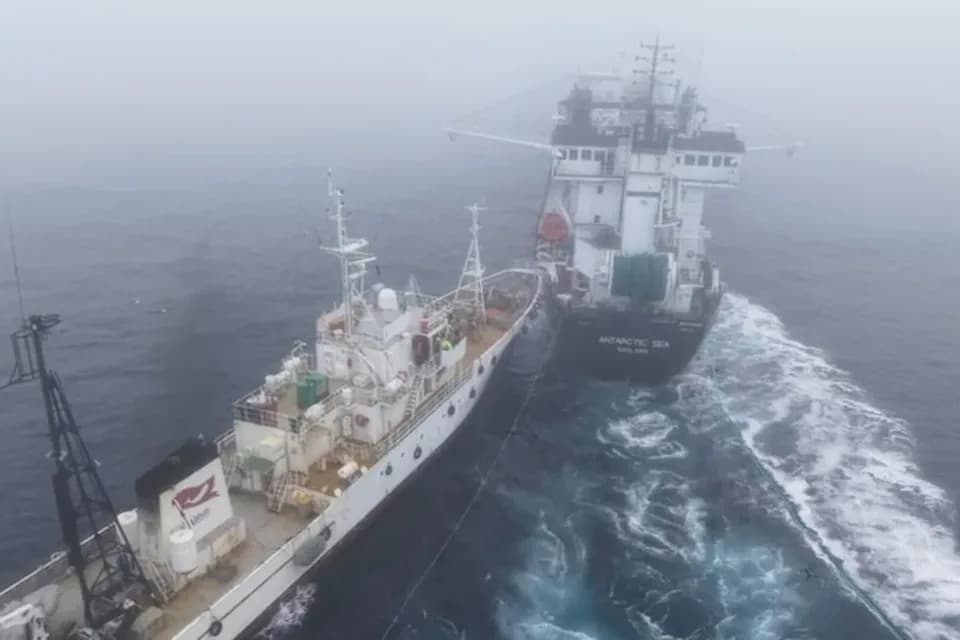
An activist vessel operated by the Captain Paul Watson Foundation struck the Aker-owned krill trawler Antarctic Sea in Antarctic waters in an incident that Aker QRILL Co. described as a "deliberate attack" that nearly hit a diesel tank and risked environmental harm.
What Happened
A two-minute video provided to The Associated Press by Aker QRILL shows the M/V Bandero slowly steaming toward the stern of the fishing vessel and making contact with its port side at a shallow angle. Aker said the Bandero came within centimeters of damaging a diesel tank on the Norwegian-flagged Antarctic Sea and that its multinational crew were shaken but uninjured.
Aker CEO Webjørn Barstad warned the collision could easily have caused a spill. "Our crew were put at risk in some of the most remote waters on Earth, and only luck avoided potential environmental damage," he said, adding that the company will pursue all available legal remedies.
The Captain Paul Watson Foundation called the contact "an accidental collision" in comments to Reuters and emphasized that it conducts "lawful, responsible, non‑violent action in defense of marine ecosystems." In its own news release the foundation described the operation as "aggressive nonviolence," saying its crew — led by French activist Lamya Essemlali — disrupted krill fishing during a five‑hour intervention and deployed metal devices intended to damage nets.
Why This Matters
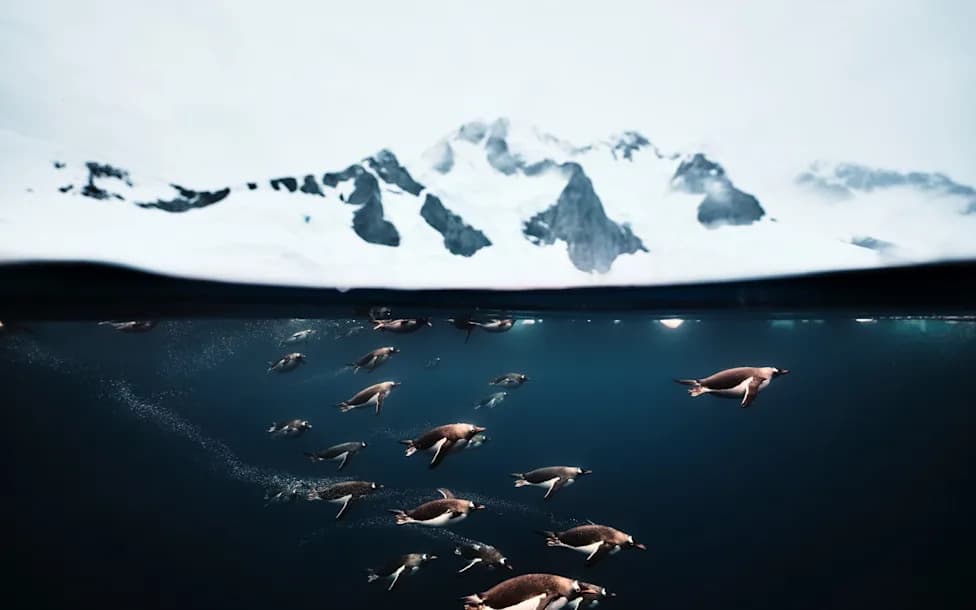
Krill are tiny, shrimp‑like crustaceans that underpin the Southern Ocean food web, serving as a primary food source for whales, seals, penguins and many seabirds. They also play a role in carbon sequestration. Demand for krill as dietary supplements, fishmeal and other products has risen, and krill catches reached record levels last season — prompting an early closure of the fishery for the first time.
Aker is the world's largest krill harvester, accounting for more than half of the global catch. The confrontation highlights growing tensions between industrial fishing interests and conservation activists over how to manage this vulnerable resource.
Legal, Political and Operational Context
The Southern Ocean fishery is governed by the Commission for the Conservation of Antarctic Marine Living Resources (CCAMLR), an international body of 27 nations plus the EU. Any formal investigation into the collision is expected to begin at the Bandero's next port of call; the Bandero sails under the Mongolian flag. Under international maritime law, an overtaking vessel has an obligation to keep clear of the ship it is passing — a point likely to figure in inquiries and potential criminal or civil proceedings.
The Bandero is run by the Captain Paul Watson Foundation as part of "Operation Krill Wars"; the ship is named after a tequila company owned by John Paul DeJoria, a longtime supporter of Watson. Paul Watson — founder of Sea Shepherd in the 1970s — has a long history of confrontational tactics at sea, which have split supporters and affiliates over strategy. He was detained in Greenland in 2024 on a Japanese warrant that Denmark later rejected; Interpol removed him from its most‑wanted list for a 2010 case last year.
What's Next
Both legal and regulatory reviews are likely. Aker has signaled it will pursue legal action, and maritime investigators will examine the video, vessel tracks and witness statements. The incident adds fresh urgency to debates about krill management in Antarctic waters and the risks posed when activists directly confront industrial fishing operations in ecologically sensitive seas.