Pfizer and BioNTech have suspended a large U.S. trial of an updated COVID-19 vaccine for healthy adults aged 50–64 after slow enrollment. The companies closed enrollment on March 6 and will end active surveillance on April 3, saying strict FDA health criteria and weak demand prevented recruitment of the roughly 25,000–30,000 volunteers targeted. Moderna faces similar recruitment challenges. Without new trial data, regulatory guidance for this age group may be delayed.
Pfizer and BioNTech Pause Major U.S. Trial of Updated COVID Vaccine for 50–64-Year-Olds After Slow Enrollment

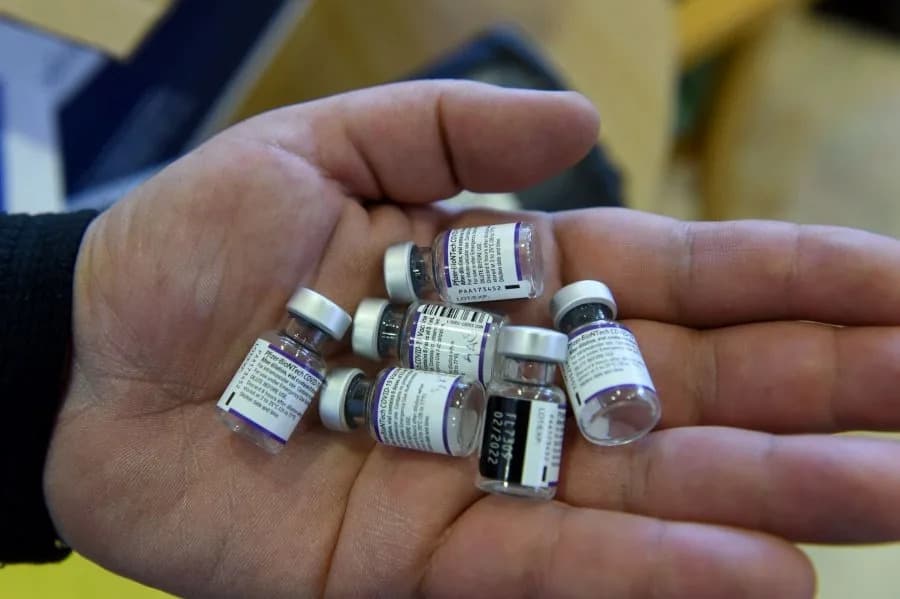
FILE PHOTO: An illustration photo shows a dose of the Pfizer-BioNTech coronavirus disease (COVID-19) vaccine from Skippack Pharmacy during the Senior Fair at Trinity Lutheran Church in Lansdale, Pennsylvania, U.S. September 4, 2025. REUTERS/Hannah Beier/File Photo
LONDON, April 1 (Reuters) — Pfizer and BioNTech have suspended a large U.S. clinical trial of their updated COVID-19 vaccine in healthy adults aged 50 to 64, citing insufficient enrollment to produce the post-marketing data regulators requested.
In a letter to study investigators dated March 30, seen by Reuters, Pfizer said it would end active surveillance for COVID-19 illness among participants after April 3. Enrollment had been closed on March 6 following a review of epidemiological trends.
Why Enrollment Stalled
The trial aimed to recruit roughly 25,000–30,000 volunteers. The U.S. Food and Drug Administration had asked vaccine makers to run large, placebo-controlled trials in the 50–64 age group to support recommendations for use in that cohort. The FDA's requirement included enrolling only healthy participants without chronic conditions such as hypertension or diabetes — a restriction that trial managers say made recruitment particularly difficult.
"This is a very difficult population to recruit," one contract research organization executive involved in the study told Reuters on condition of anonymity, adding that more than 80% of volunteers fail pre-screening because they do not meet the strict health criteria.
Pfizer and BioNTech told Reuters they informed the FDA of their intent to halt surveillance because slow enrollment made it impossible to generate the required post-marketing data. The companies emphasized the decision was not prompted by safety or benefit-risk concerns.
Regulatory and Market Context
The pause comes as COVID vaccine makers face softer U.S. demand and heightened regulatory expectations. Updated COVID vaccines for groups with existing approvals have more commonly been authorized based on immune-bridging data — measurements of antibody responses against circulating variants — similar to the FDA's approach for seasonal influenza shots.
The suspension also precedes an expected May meeting of the FDA's Vaccines and Related Biological Products Advisory Committee, which uses clinical data to inform strain selection and guidance for upcoming vaccine formulations. Without new trial data, there may be no presentation and no specific approval pathway for this age group, experts say.
What About Other Trials?
Moderna is running a comparable U.S. study with a target enrollment of about 30,000 volunteers and has also reported recruitment challenges; that trial is expected to complete in June 2027, according to sources. Moderna did not immediately comment to Reuters.
Public Uptake and Impact
COVID vaccine demand in the United States has fallen since the pandemic peak. CDC data indicate roughly 18% of Americans received a COVID booster during the 2025–26 season. Despite lower uptake, COVID-19 continues to exact a toll — causing tens of thousands of deaths annually, with an estimated 8,000 to 12,000 deaths among adults aged 50 to 64.
Bottom line: Pfizer and BioNTech paused the trial because strict eligibility criteria and weak demand prevented them from enrolling enough healthy adults aged 50–64 to meet FDA expectations for post-market evidence. The move may affect regulatory discussions and approvals for updated shots in that age group.
(Reporting by Bhanvi Satija; Editing by Adam Jourdan and Bill Berkrot)
Help us improve.