The Iran conflict has released soot, toxic chemicals and heavy metals from burning oil, sunken vessels and strikes on industrial sites, threatening drinking water, agriculture, fisheries and public health for years. Monitoring groups have recorded over 400 environmental incidents, but imagery delays and internet outages limit full assessment. Damage to desalination plants, persistent contamination of sediments and unknown conditions at nuclear sites are among the primary concerns, and postwar cleanup may be delayed by competing reconstruction priorities.
Iran Conflict's Environmental Toll: Decades-Long Pollution, Health Risks and Threats to Gulf Water Supplies
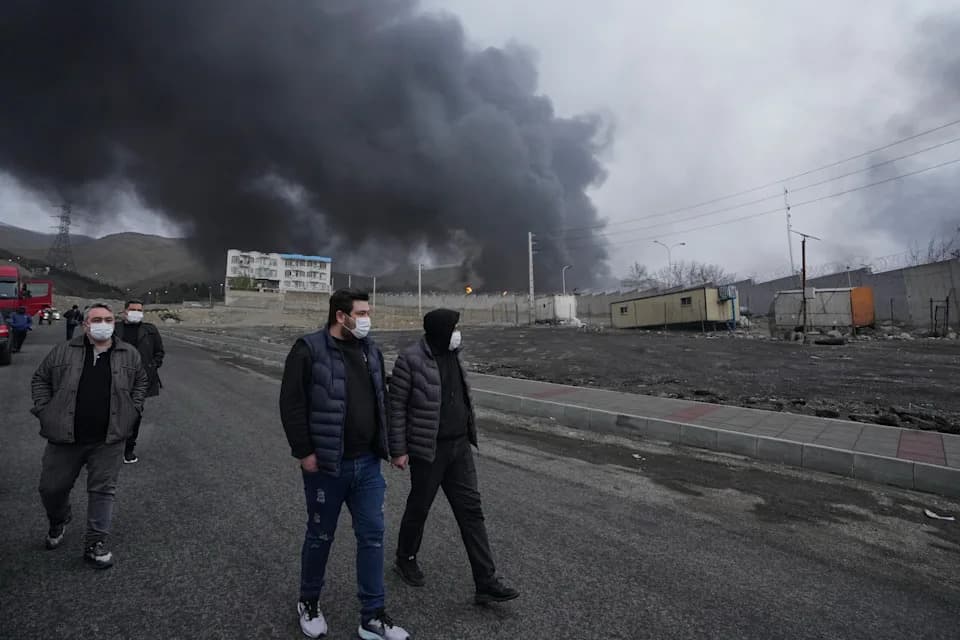
FILE - A thick plume of smoke rises March 8, 2026, from an oil storage facility struck overnight in Tehran, Iran. (AP Photo/Vahid Salemi, File)(ASSOCIATED PRESS)
Oil storage facilities belching black smoke, wreckage sinking into the Persian Gulf and missiles striking industrial and military sites have combined to release a dangerous mix of chemicals, heavy metals and soot across the region. Experts warn these contaminants threaten agriculture, drinking water, fisheries and public health, and could leave environmental and health consequences that persist for decades.
Widespread Pollution, Limited Visibility
Documenting the full scale of damage remains difficult. The U.K.-based Conflict and Environment Observatory (CEO) has used satellite sensing and open-source intelligence to log more than 400 environmentally concerning incidents tied to the conflict, but analysts note large gaps in imagery and reporting because of delays and internet outages inside Iran.
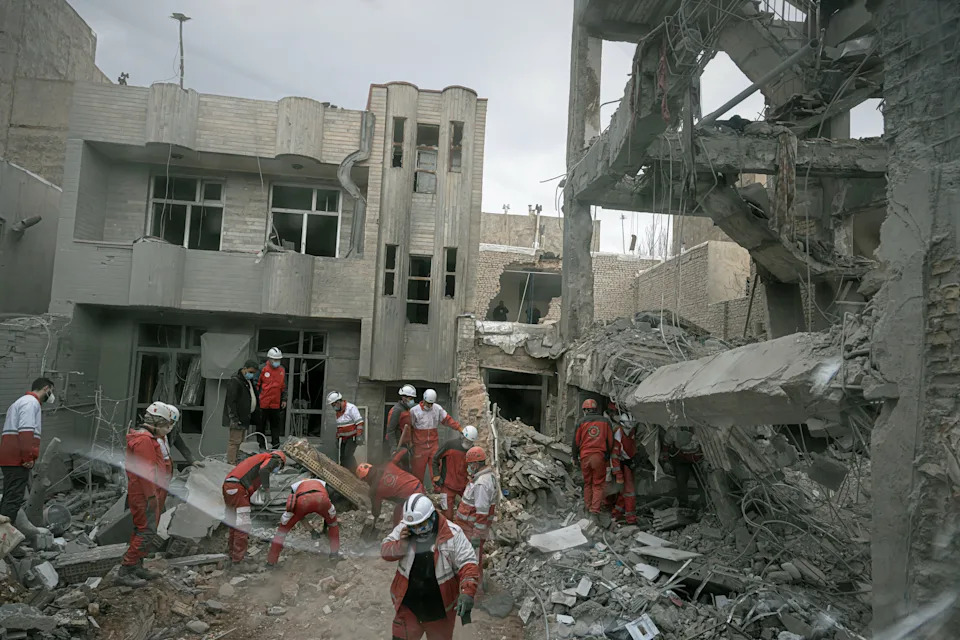
FILE - First responders inspect the remains of a residential building hit in an overnight strike during the U.S.-Israeli military campaign in Tabriz, Iran, March 24, 2026. (AP Photo/Matin Hashemi, File)(ASSOCIATED PRESS)
Major Sources Of Risk
Attacks on oil and gas infrastructure are some of the gravest immediate hazards. Fires at fuel depots and tankers produce soot and toxic byproducts that contaminate air, soil and water. In one reported episode, dark, oily rain fell near Tehran after combustion products combined with atmospheric moisture, prompting public-health warnings.
Strikes on manufacturing and chemical plants can release acute toxic agents. "If you hit an ammonia-producing plant for fertilizer or for food production . . . those release chemicals that are absolutely toxic and harmful if they spread," said Mohammed Mahmoud of the United Nations University Institute for Water, Environment and Health.
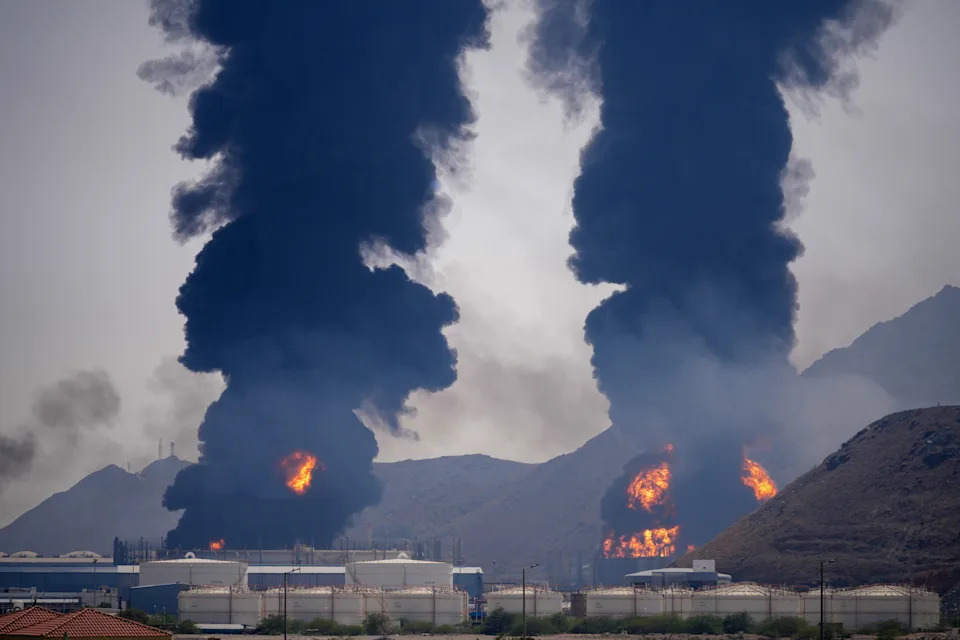
FILE - Plumes of smoke and fire rise after debris from an intercepted Iranian drone struck an oil facility, according to authorities, in Fujairah, United Arab Emirates, March 14, 2026. (AP Photo/Altaf Qadri, File)(ASSOCIATED PRESS)
Sunken ships and damaged infrastructure risk leaking oil and hazardous cargo into the Persian Gulf. That pollution can clog desalination intakes, foul marine habitats and deposit persistent contaminants into sediments where heavy metals and toxic compounds can accumulate.
Water, Ecosystems And Nuclear Concerns
Countries in the arid Persian Gulf rely on hundreds of desalination plants for drinking water. Experts warn that damage to plants, clogged intakes from oil pollution or attacks on power supplies could sharply reduce access to potable water for millions.
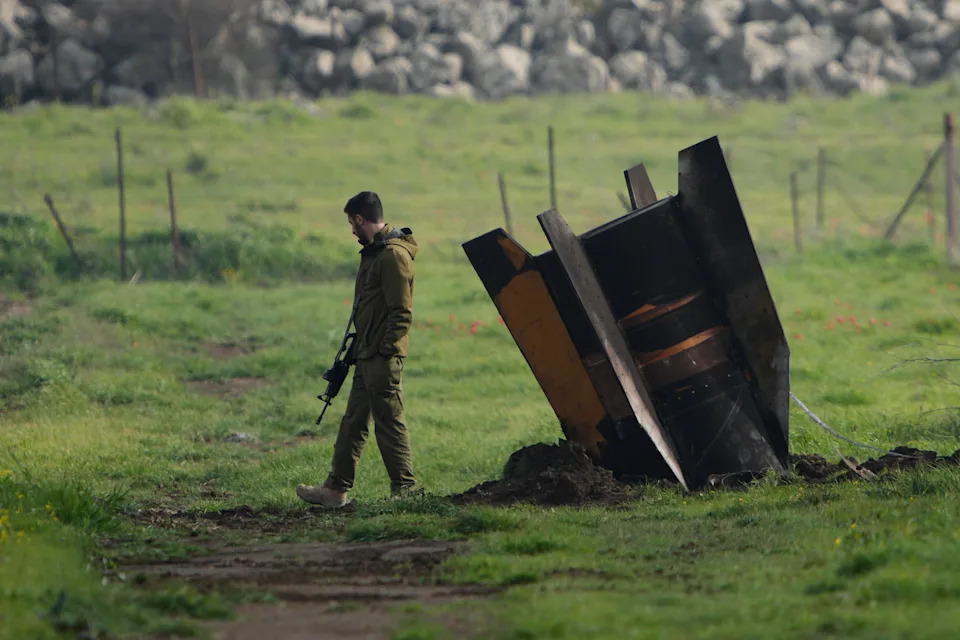
FILE - An Israeli soldier stands next to a fragment of a missile fired from Iran and intercepted by Israeli air defense system embedded in an open field in the Israeli-controlled Golan Heights, March 19, 2026. (AP Photo/Ohad Zwigenberg, File)(ASSOCIATED PRESS)
Marine ecosystems are also at risk. "It’s an enclosed basin, quite shallow," said Doug Weir of the Conflict and Environment Observatory. "There are sensitive habitats there — coral reefs, seagrass meadows, and fisheries — which could be impacted." Contaminants that settle into sediment may remain a long-term ecological and food-safety concern.
The status of Iranian nuclear sites is largely unknown because the U.N. nuclear watchdog has had limited access. Possible strikes on nuclear facilities raise immediate radiation and contamination risks, plus longer-term health dangers including elevated cancer risk, cardiovascular disease and genetic effects, experts say.
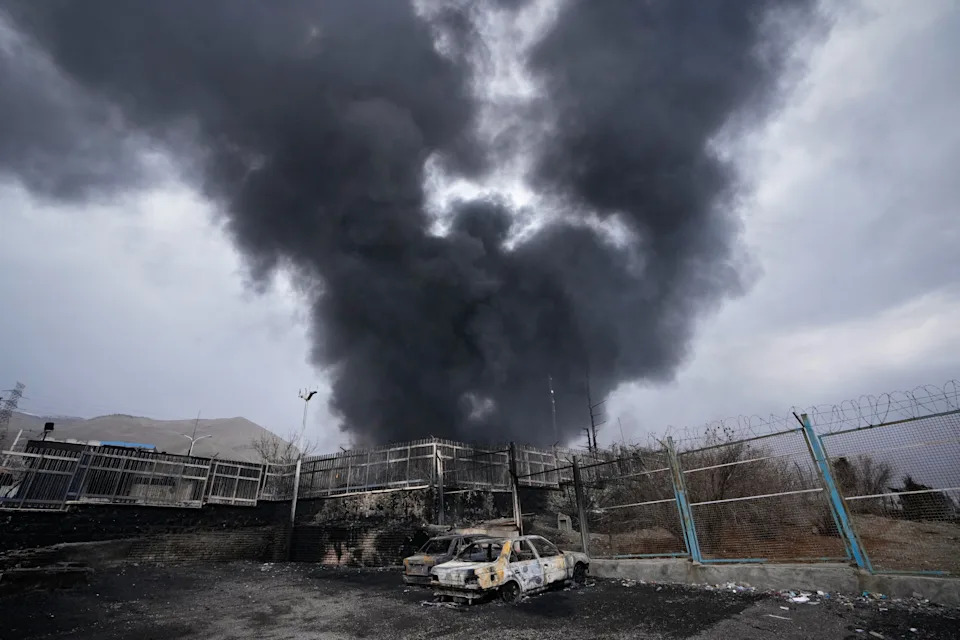
FILE - A thick plume of smoke rises from an oil storage facility hit by a U.S.-Israeli strike in Tehran, Iran, March 8, 2026. (AP Photo/Vahid Salemi, File)(ASSOCIATED PRESS)
Climate And Cleanup Challenges
Intense burning of fuel and damage to infrastructure have produced a significant short-term spike in greenhouse gas emissions. The carbon-accounting firm Greenly estimated the U.S. military’s emissions alone reached nearly 2 billion metric tons of greenhouse gases in the conflict’s first six days, a figure that underscores the climate impact of intensive military operations (global emissions are roughly 50 billion metric tons per year, by comparison).
When the conflict ends, environmental cleanup and monitoring may be deprioritized in favor of urgent humanitarian needs and rebuilding of energy, water and food systems. Experts warn that many pollution problems — particularly in the Gulf and in sediments — could go unremediated for years or decades.
Human Health Impacts
Short-term exposures to soot, dust and chemical releases raise risks of respiratory and cardiovascular illness. Long-term exposures to carcinogens and heavy metals found in industrial fallout can increase cancer risk and other chronic health problems across affected populations.
Kaveh Madani, director at the United Nations University Institute for Water, Environment and Health: "For someone like me who has fought for sustainability and protection of the environment in that region, this is like going many years backward."
Given current uncertainties, experts emphasize the need for expanded monitoring, safe access for environmental assessments, and international support for remediation planning before reconstruction begins.
The Associated Press’ climate and environmental coverage receives financial support from private foundations. AP remains solely responsible for editorial content.
Help us improve.