Summary: Iran still holds asymmetric weapons — naval mines, anti-ship missiles, armed drones and fast attack boats — capable of disrupting traffic through the Strait of Hormuz, which carries roughly 20% of global oil. Mines are especially potent because they are cheap, hard to detect and can create prolonged uncertainty. Clearing transit lanes will be a gradual, multinational effort relying increasingly on unmanned systems, and restoring full confidence in shipping will likely take time.
How Iran Can Still Disrupt the Strait of Hormuz — Mines, Missiles, Drones and Fast Boats
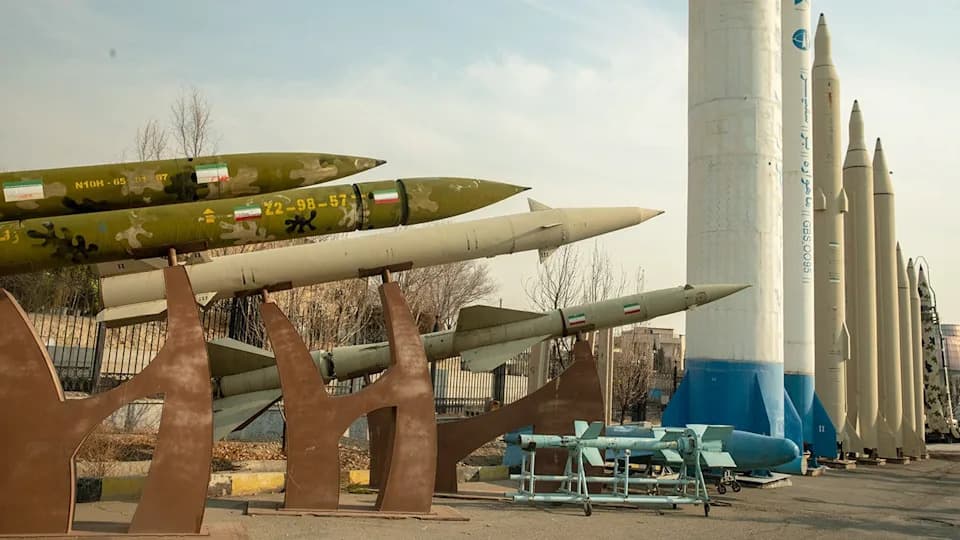
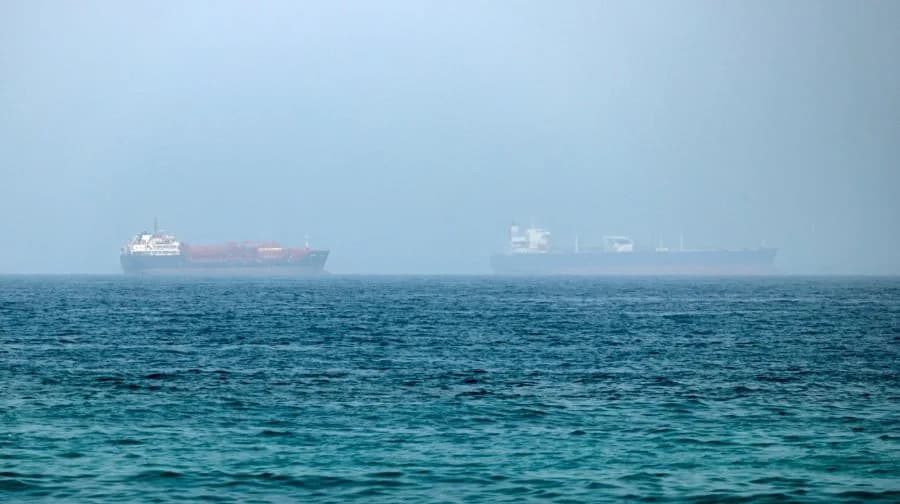
For commercial shippers, even a small risk of disaster is too much.(Getty Images)
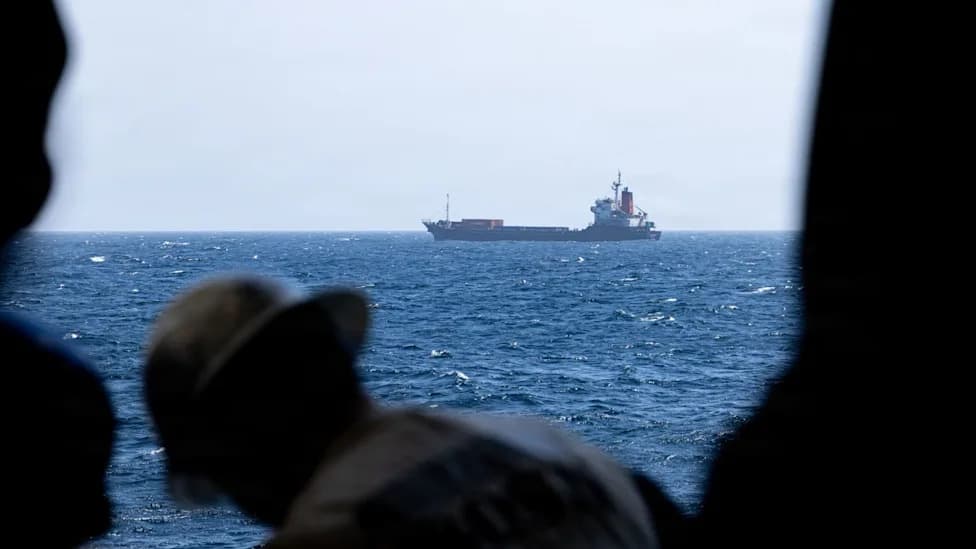
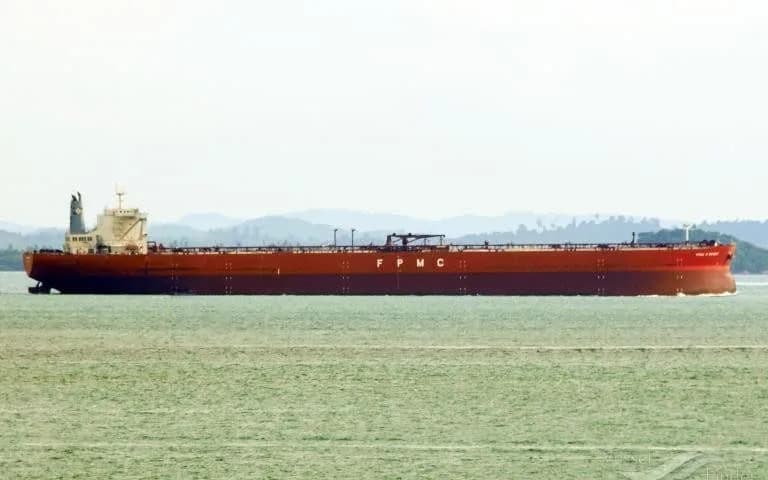
Even after recent U.S. and allied strikes aimed at degrading Tehran’s military capabilities, Iran retains a set of asymmetric tools that could still threaten traffic through the Strait of Hormuz — a vital chokepoint through which roughly one-fifth of the world’s oil transits.
Remaining Capabilities
Iran’s arsenal of concern includes naval mines, anti-ship missiles, armed drones and small, fast attack boats operated primarily by the Islamic Revolutionary Guard Corps (IRGC). Analysts emphasize that Tehran does not need to close the strait outright to have a global effect: limited attacks, mine-laying or persistent harassment can slow shipping, raise insurance rates and push energy prices higher.
Mines: Cheap, Hard To Detect, Highly Disruptive
Naval mines are widely viewed as Iran’s most disruptive option. They are relatively inexpensive to produce and deploy, can remain dormant for long periods, and may be designed to detonate only after specific triggers, complicating detection and clearance. Even a handful of mines placed in key lanes can create substantial uncertainty and force vessels to reroute or wait for escorts.
Recent reporting has suggested that as few as 10–12 mines may have been prepared or deployed in the area, though U.S. officials have not publicly confirmed exact numbers. Confirming and locating mines requires physical detection on the seabed, a time-consuming process that demands a persistent naval presence.
Small Boats, Missiles and Drones
The IRGC’s small, fast-moving boats can blend into regular traffic and are difficult to track and interdict. Some can carry missiles or lay mines, and while U.S. strikes reportedly destroyed dozens of such vessels, hundreds of smaller craft likely remain. Likewise, anti-ship missiles and armed drones — even in limited numbers — can pose a credible risk to commercial shipping if employed selectively.
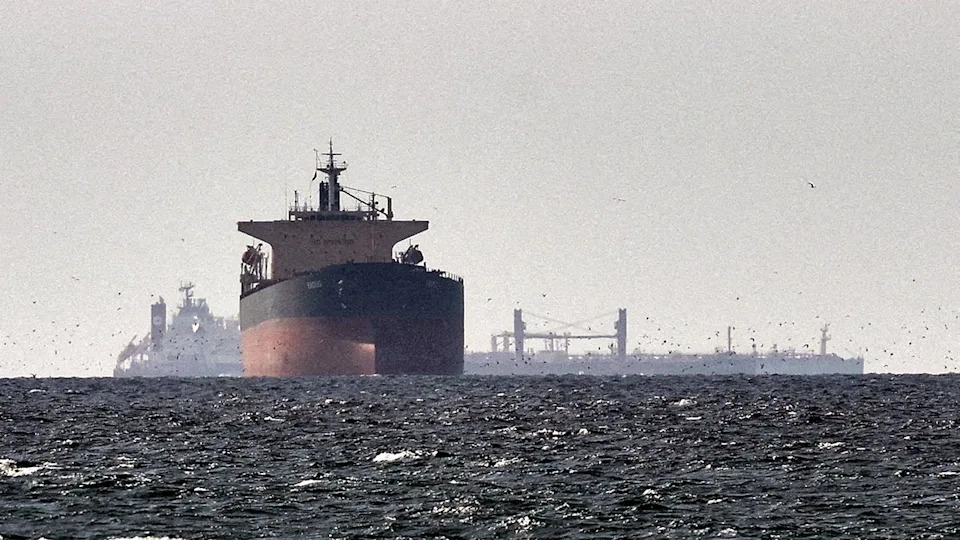
"Keeping the Strait 100% threat-free would actually divert CENTCOM’s main objective right now," defense analyst Can Kasapoğlu told Fox News Digital.
Mine Countermeasures And Operational Challenges
Clearing and securing lanes in the strait would likely be a multinational effort. Modern mine-countermeasure tactics rely heavily on sonar, unmanned surface vessels (USVs) and unmanned underwater vehicles (UUVs) to scan the seabed and neutralize suspected mines remotely. Since 2025 the U.S. Navy has shifted away from older Avenger-class minesweepers toward littoral combat ships (LCS) that host and deploy unmanned systems for detection and disposal.
However, testing and real-world experience with some of these newer systems remain limited. Pentagon evaluations have noted gaps in the data needed to fully assess the effectiveness and reliability of key mine-hunting technologies. Because detection is often slow and resource-intensive, forces typically secure narrow transit lanes first and expand them as threats are identified and cleared.
What Commercial Shipping Can Expect
In the near term, commercial vessels are likely to move in smaller, escorted convoys within designated safe corridors while insurers, charterers and operators reassess risk. Sustained naval escort operations, multinational coordination and gradual widening of cleared lanes will be required to restore broad confidence in transit through the strait.
International Response And Implications
Securing the Strait of Hormuz will require coalition contributions from regional and Western navies. Analysts urge European maritime powers and regional partners to participate in sustained operations to protect global energy flows.
"It doesn’t take much to disrupt commercial traffic through a constrained maritime choke point," said former U.S. 5th Fleet commander Vice Adm. Kevin Donegan, underscoring how limited capabilities can have outsized effects on commerce and energy markets.
As long as Iran retains even a reduced ability to deploy mines, launch drones or harass vessels, persistent uncertainty will shape market behavior, insurance costs and military planning for the foreseeable future.
Help us improve.