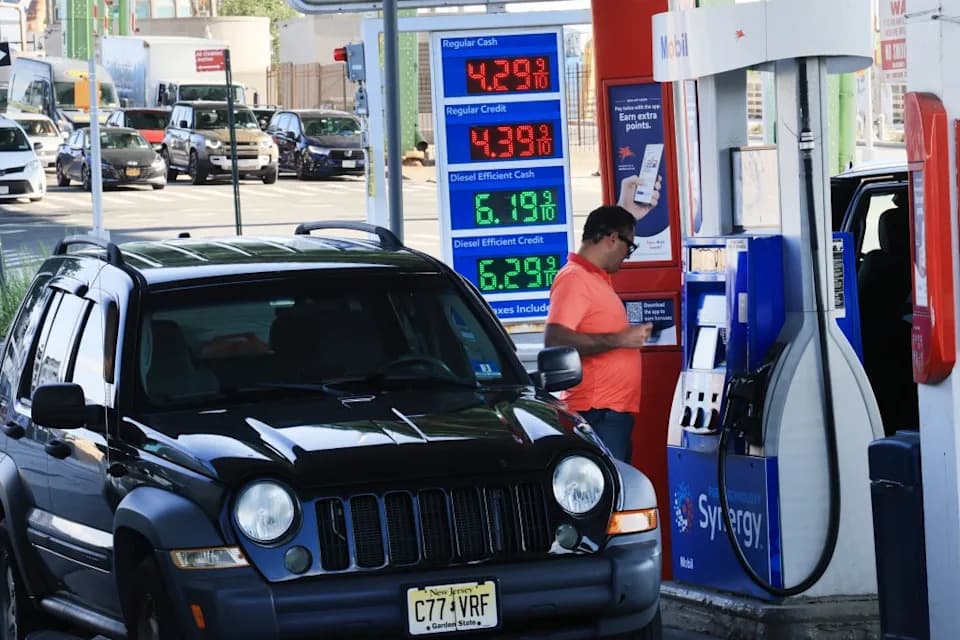
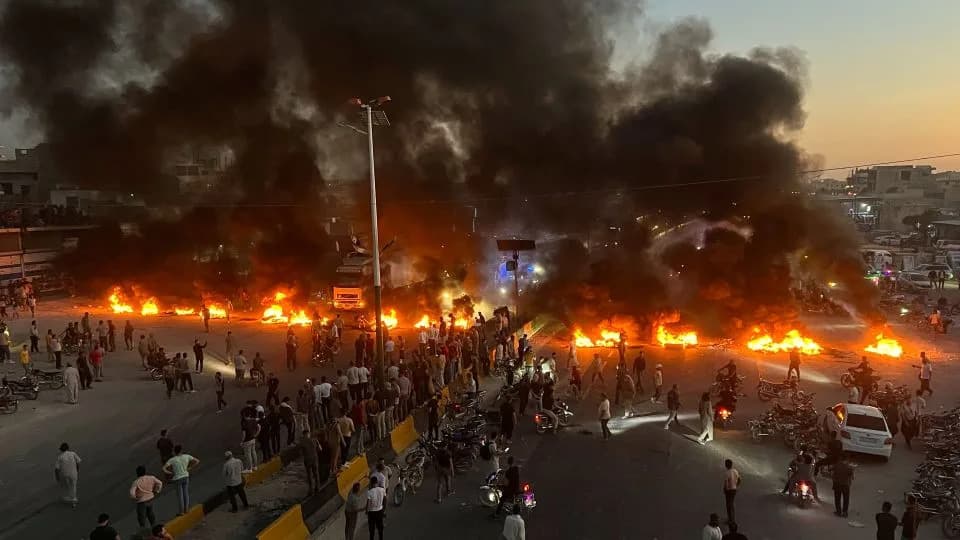
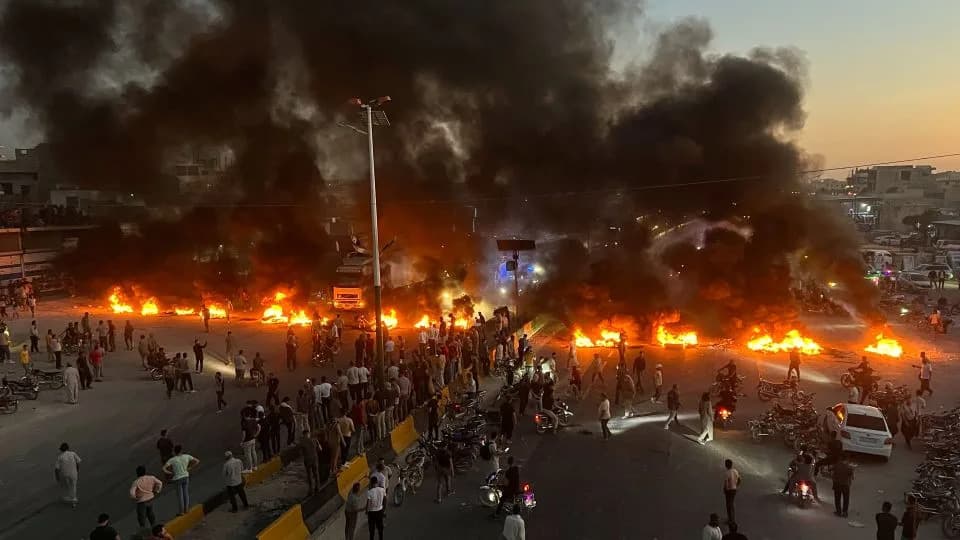
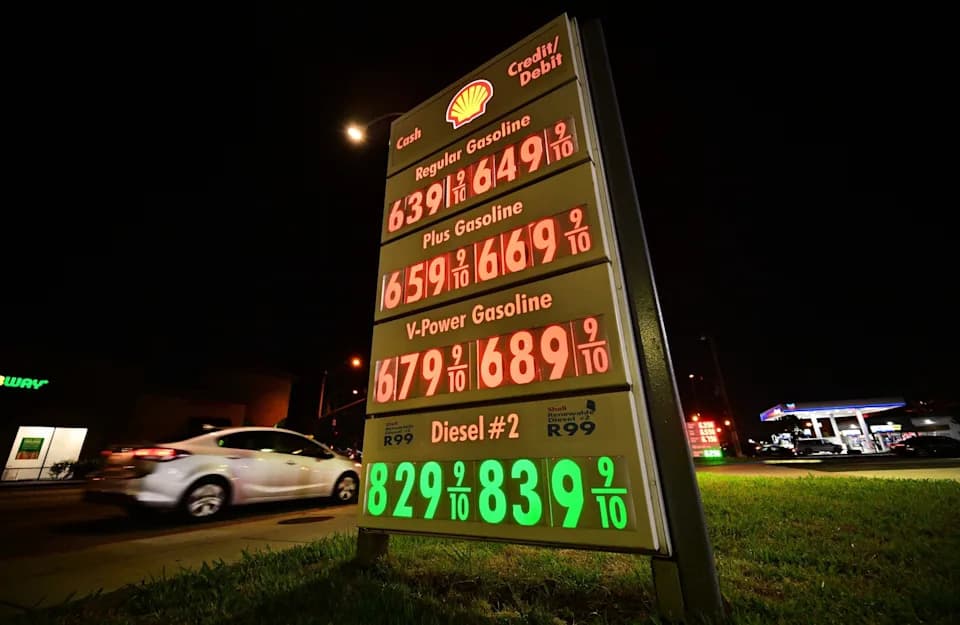
Rising global fuel prices are forcing households to cut small comforts and tighten budgets, from taxi drivers in Buenos Aires to jeepney operators in Manila. Disruption around the Strait of Hormuz and the Iran conflict have kept oil markets volatile, even after a one-day drop in crude following U.S. claims of talks. Pump prices typically lag global market moves, so consumers see little immediate relief, and low-income workers are suffering the most.
Small Pleasures Vanish as Global Fuel Prices Surge, Straining Households Worldwide
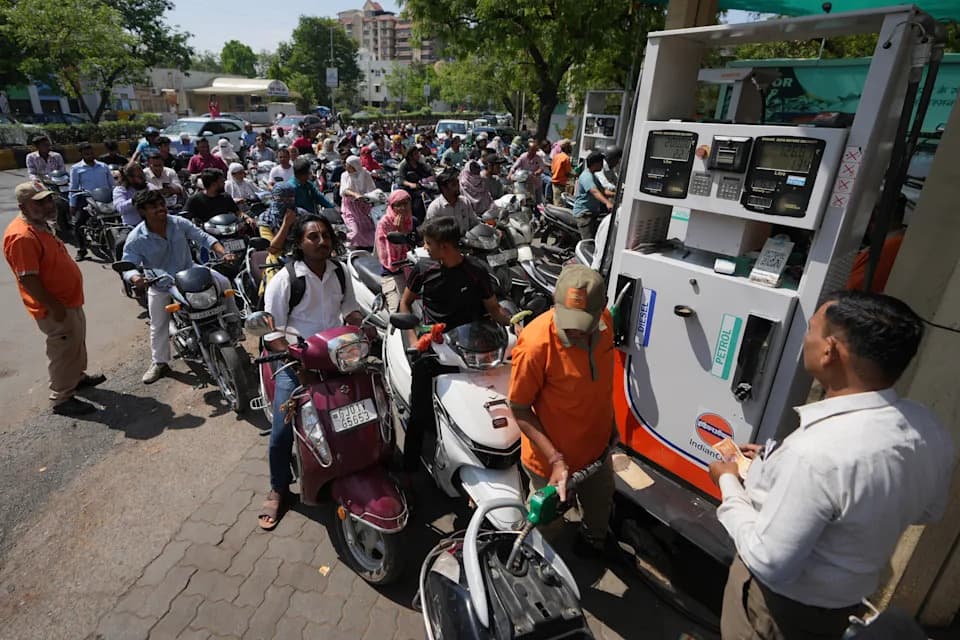
Motorists queue up to get fuel at a pump, fearing a possible fuel shortage due to the US Iran war, in Ahmedabad, India, Monday, March 23, 2026. (AP Photo/Ajit Solanki)(ASSOCIATED PRESS)
A birthday beach trip. Weekend outings with the kids. Even a nightly beer before bed.
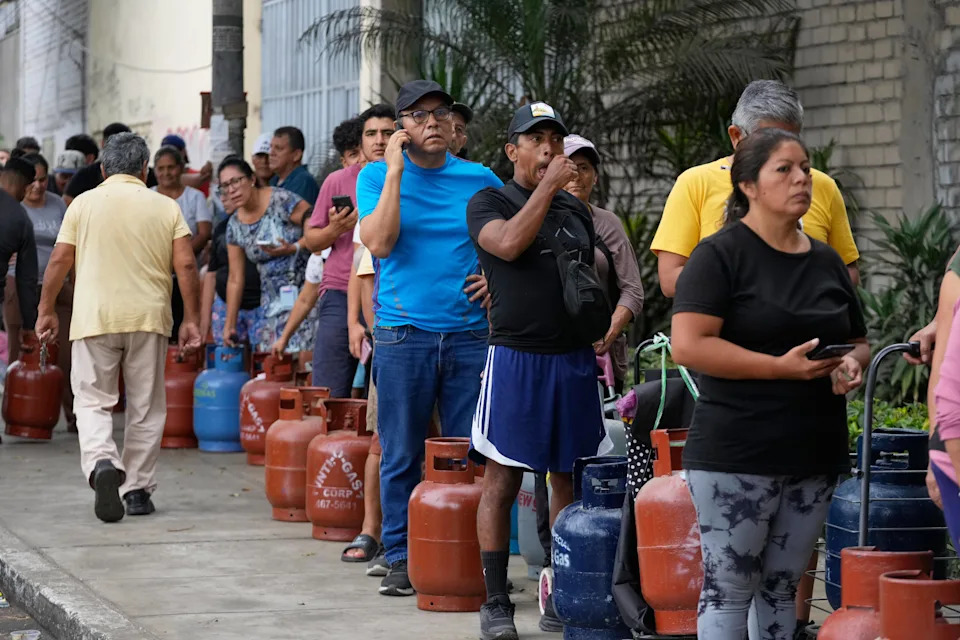
People wait to buy natural gas for cooking while authorities ration it due to a main gas pipeline that ruptured and affected supply to Lima, Peru, Wednesday, March 11, 2026. (AP Photo/Martin Mejia)(ASSOCIATED PRESS)
As gasoline and diesel prices stay high around the world, households are stretching paychecks and cutting small comforts while trying to keep up with larger bills. Motorists, public-transport drivers and low-income workers say rising fuel costs are compounding stubbornly high living expenses and stagnant wages.
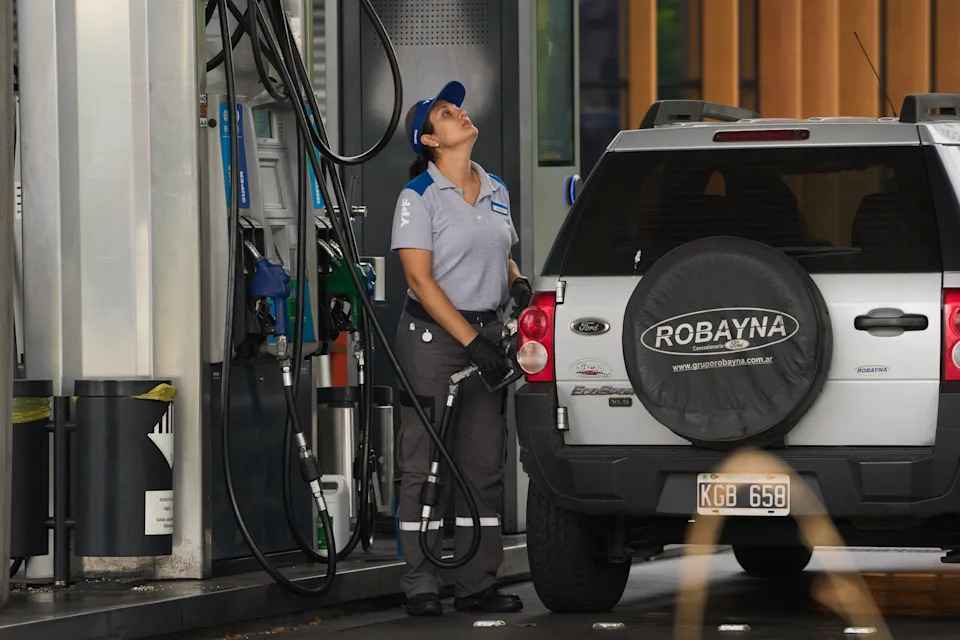
A worker fuels a car at a YPF gas station in Buenos Aires, Argentina, Friday, March 20, 2026. (AP Photo/Rodrigo Abd)(ASSOCIATED PRESS)
Local Stories, Global Problem
In Buenos Aires, taxi driver Luis Catalano waits to refuel and wonders how long he can keep going. “For now, we’re still managing to hold on,” he said. “But I don’t know for how long.”
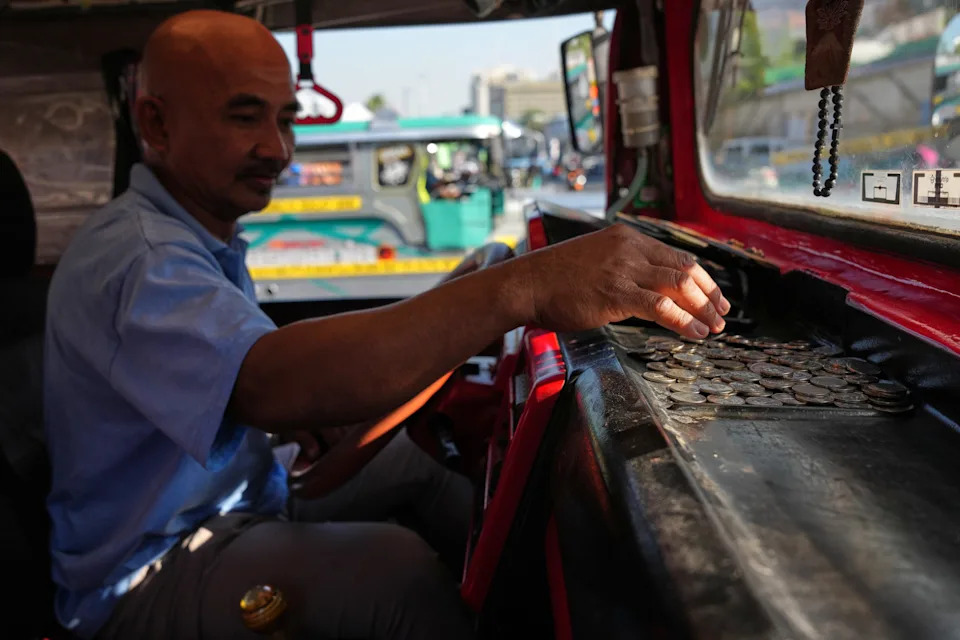
Jeepney driver Edilberto Globio Jr. counts coins as he parks his vehicle at a terminal in Pasay city, Philippines as the rise in oil prices continues to affect their livelihood on Monday, March 23, 2026. (AP Photo/Aaron Favila)(ASSOCIATED PRESS)
At the same YPF station, road safety worker German Toledo says his salary hasn’t risen in five years. “You can’t make it to the end of the month,” he said. One job, he added, is no longer enough to cover basic needs.
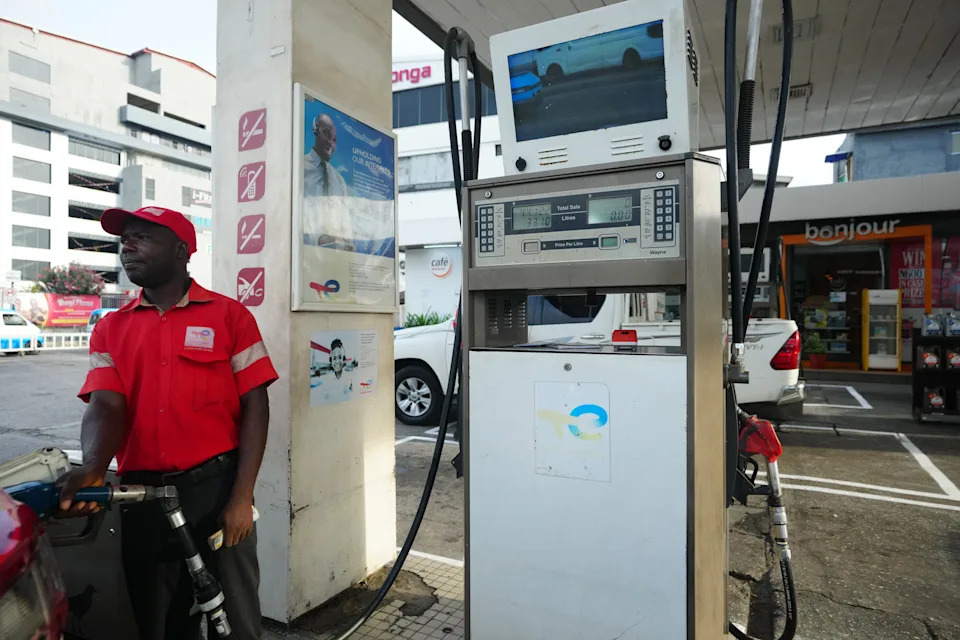
A service employee is filling a car with fuel at a petrol station in Lagos, Nigeria, Monday, March 23, 2026. (AP Photo/Sunday Alamba)(ASSOCIATED PRESS)
Across continents, similar strains are visible. In Cologne, janitor Kevin Plucken limits himself to 20 euros of fuel at a time and seeks low-cost activities close to home instead of driving his two children to outings. In Lagos, Felicia Iwasa sums it up plainly: “Everything is going up. The economy is not easy for us.”

A gas station attendant gestures before pumping petrol into a car in Beijing, Wednesday, March 11, 2026. (AP Photo/Ng Han Guan)(ASSOCIATED PRESS)
Public Transport And Livelihoods At Risk
In Manila, jeepney drivers — who rely on diesel and serve working-class commuters — say rising fuel costs are jeopardizing their livelihoods. Johnny Pagnado, 55, says he has cut nonessential expenses down to his nightly beer and worries about affording college for his four children. Another driver, Sandy Roño, 34, said a planned birthday beach trip is likely canceled after he missed rent and a jeepney payment; if prices stay high, he said he will stop driving and look for other work.
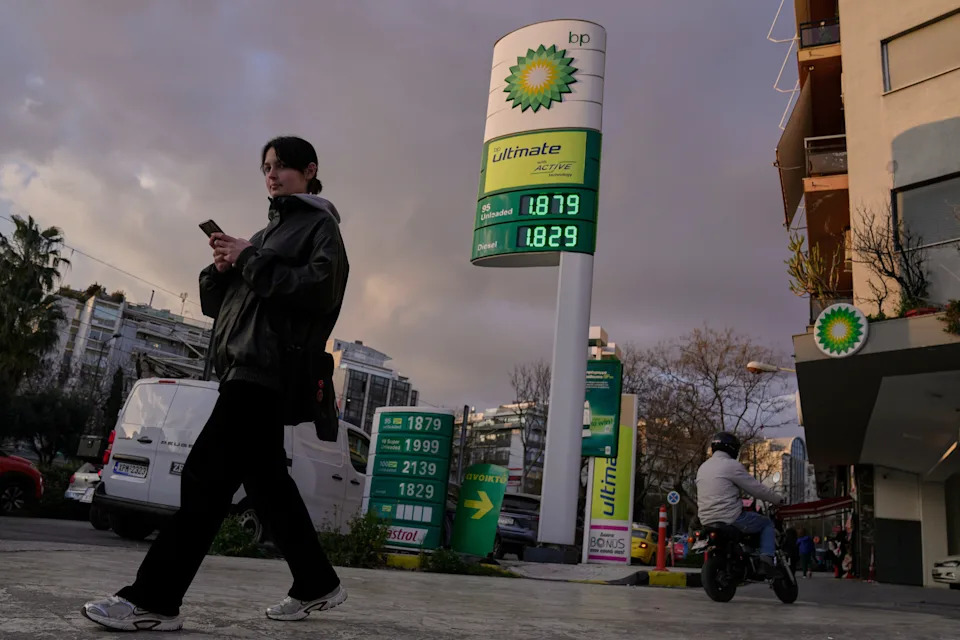
A woman walks past a sign showing current fuel prices stands outside a gas station in Athens, Greece, on Wednesday, March 11, 2026. (AP Photo/Petros Giannakouris)(ASSOCIATED PRESS)
Why Consumers Feel No Immediate Relief
Global oil markets and local pump prices do not move in lockstep. Oil travels from drilling sites to refineries, then by pipelines and tankers to terminals and retail stations; that journey — plus refining and distribution — means retail pump prices often lag changes in global markets by weeks.
This delay helps explain why consumers saw little immediate relief even after a sharp one-day drop in crude.
U.S. President Donald Trump said talks were ongoing with Iranian leaders and suggested a deal could end the conflict, comments that pushed Brent crude down 9.7% to $101.26 a barrel from nearly $120 a week earlier. Iran denied that talks had taken place and called the claims a market manipulation ploy.
Whatever the diplomatic developments, changes on paper can take time to reach the pump — and many families cannot wait that long.
Wider Impact
Economists say fuel-price shocks tend to hit low-income households hardest because those families spend a larger share of income on transport and basic goods. For many already budgeting tightly, higher fuel prices force painful trade-offs: skipping leisure, delaying payments, or searching for additional work.
Contributors: Jim Gomez and Joeal Calupitan in Manila; Daniel Niemann in Cologne; Victor Caivano in Buenos Aires; Dan Ikpoyi in Lagos.
Help us improve.