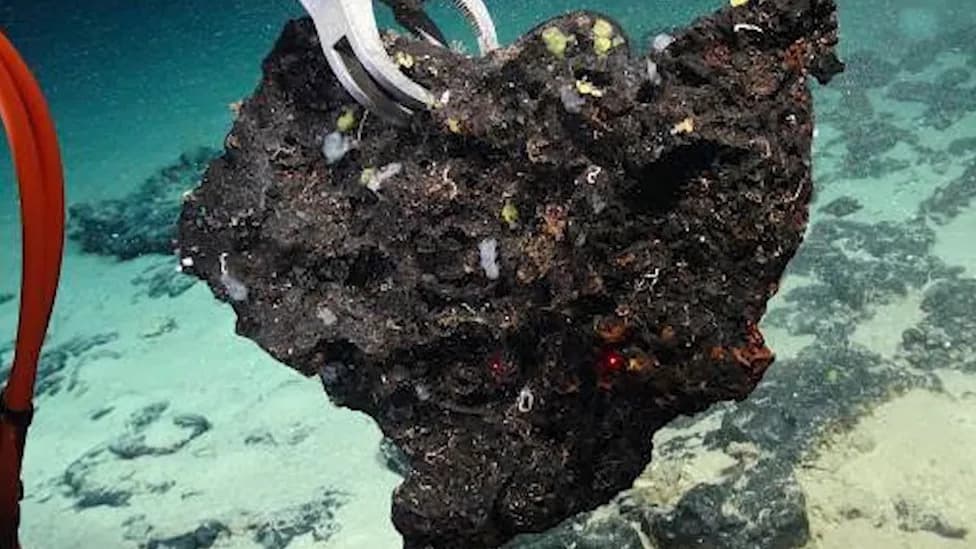
The rush to mine polymetallic nodules from the deep Pacific is intensifying as demand for critical minerals for clean energy soars. Proponents argue seabed mining could help fill looming shortages; critics warn of potentially long-lasting harm to poorly understood abyssal ecosystems. International rules are unfinished—ISA negotiations stalled in July 2025 and have resumed—while companies and some nations press to begin operations. Scientists are scrambling to gather data to inform whether seabed extraction can be done safely or whether land-based mining plus recycling can meet demand.
Deep-Sea Mining Race: Can Ocean Nodules Fill Critical-Mineral Gaps Without Devastating Ecosystems?
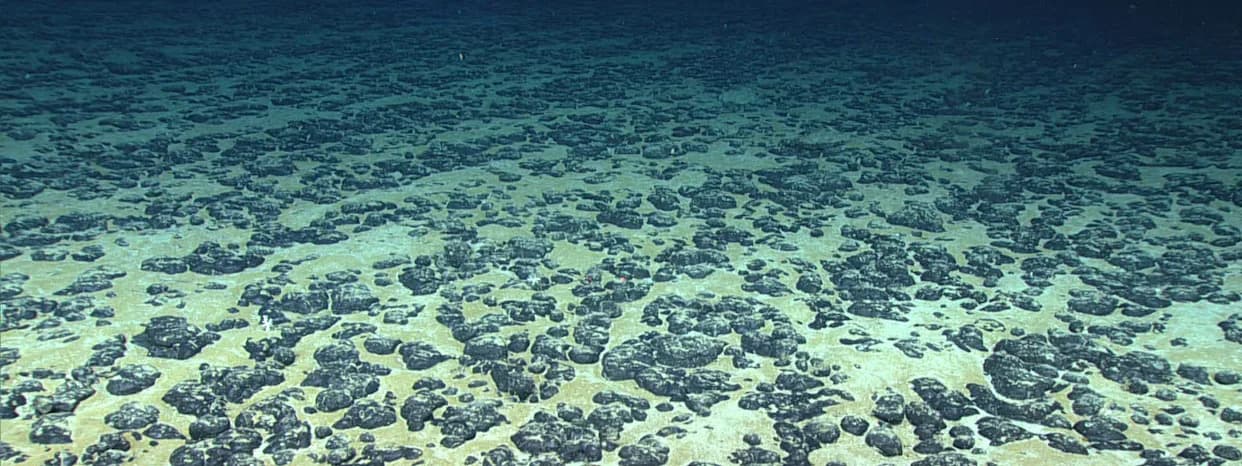
More than 13,000 feet below the surface of the Pacific Ocean, a 70-ton machine rolled across the seabed in a 2022 pilot test, collecting potato-sized polymetallic nodules rich in copper, manganese, cobalt and nickel. The Metals Company, a Canadian firm behind that trial, called it successful and is seeking permission to deploy similar harvesters commercially across 65,000 square kilometres to recover more than 600 million metric tons of nodules.
Why Nodules Matter
Interest in seabed nodules has surged as nations and companies race to secure the critical minerals needed for electric vehicles, wind and solar power, and other clean-energy technologies. Analysts at the International Energy Agency (IEA) warn that a large-scale green transition could multiply demand for some materials: in its 2025 assessment, the IEA modelled scenarios in which global demand for lithium could reach roughly 4.7 times 2024 levels by 2040, while copper demand could rise about 1.3-fold. The IEA suggests shortages could begin as early as 2035 under some scenarios.
Land Versus Seabed: Two Competing Paths
Supporters of seabed mining—including some governments, industry actors and extractive-industry researchers—argue that readily exploitable critical minerals on land may not be sufficient to meet projected demand without opening many new terrestrial mines. They say nodules could help close the gap while avoiding some social and environmental harms associated with land-based operations.
Conversely, many scientists, conservation groups and about 40 countries led by Palau call for moratoria or outright bans until the ecological impacts of deep-sea mining are better understood and stronger international rules are in place. They contend that existing land reserves, combined with aggressive recycling and improved planning, could meet much of future need.
What the Data Say About Land Resources
Geologists such as Gavin Mudd (British Geological Survey) point to US Geological Survey (USGS) data showing growing land reserves for many critical metals. For example, while the IEA’s high-end lithium demand projection for 2040 could reach about 1.5 million metric tons per year, 2025 USGS figures report roughly 30 million metric tons of global land reserves and about 115 million metric tons of broader resources—figures that proponents say could expand with new discoveries and higher prices that make lower-grade deposits economic.
That said, meeting projected demand on land would still require dozens of new mines: estimates include more than 85 additional lithium mines by 2050 and up to 40 new nickel mines by 2030 just to supply EV batteries, and at least 35 new copper mines by 2050, according to international energy groups. Mining projects commonly take more than a decade from discovery to production, so improved planning and permitting would be needed to avoid shortfalls.
Recycling: A Partial Solution
Recycling of batteries and other components could substantially reduce new-mining needs. The IEA estimates recycling could lower demand for new mining by about 25% for lithium and nickel and roughly 40% for copper and cobalt by 2050. Other studies are more optimistic: a 2022 KU Leuven analysis suggested recycling could supply 40–77% of Europe’s clean-energy metal needs by 2050, and a 2025 UC Davis report estimated recycling could reduce the number of new lithium mines needed from 85 to 15—provided recycling infrastructure and policies are expanded globally.
Environmental Trade-Offs
Terrestrial mining is associated with well-documented environmental and social harms: deforestation, heavy water use in arid regions, community displacement, human-rights abuses, and toxic tailings that pollute waterways. Advocates of seabed mining argue that harvesting nodules could avoid many of those local impacts.
Industry-cited research suggests some deep-sea fauna might begin to recover in abundance and diversity within a year of disturbance and that microbial communities could recover within decades rather than centuries. Saleem Ali, an environmental-systems scientist, coauthored a 2022 comparative analysis—funded by The Metals Company—that concluded both terrestrial and seabed mining would affect biodiversity, but that nodules might produce less waste and pose fewer risks to communities, while acknowledging large uncertainties about sediment plumes.
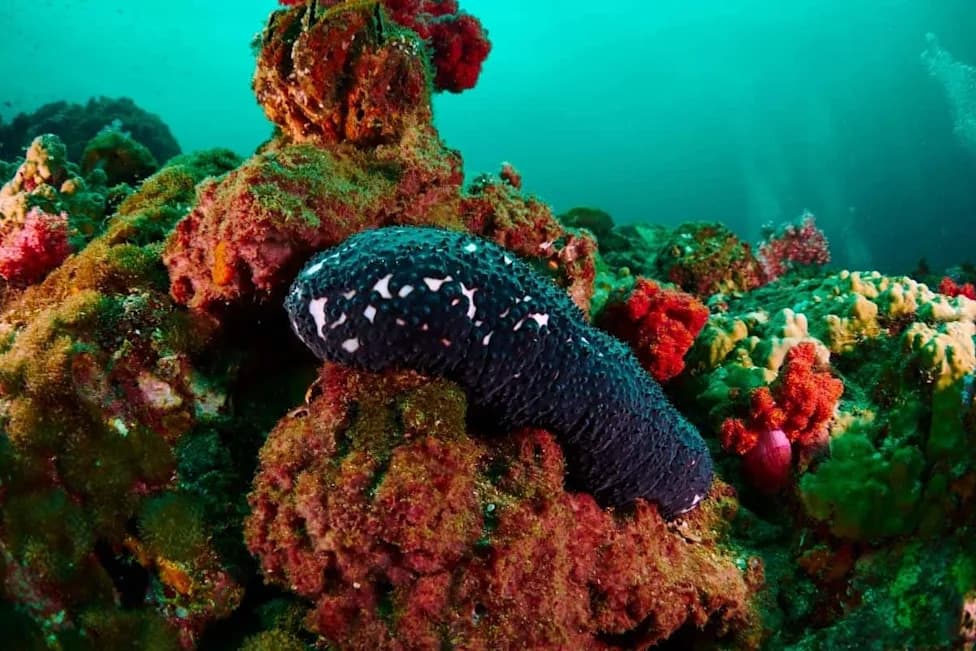
However, many independent researchers emphasize caution. Multiple studies have reported likely long-term effects from polymetallic-nodule extraction, including significant negative biological consequences even from small-scale tests. Deep-sea organisms are adapted to stable, low-energy environments and may be vulnerable to noise, light, sediment plumes and exposure to toxic metals—impacts that could impair feeding, respiration and reproduction.
Regulation, Legal Questions and Urgent Research Needs
The International Seabed Authority (ISA), which governs activities beyond national jurisdiction, has been drafting a mining code for more than a decade. Negotiations stalled in July 2025 on several unresolved issues—chiefly how to measure and monitor ecological damage—but talks have since resumed. There is concern that commercial approvals could precede final safeguards: Nauru has signalled a legal pathway that could allow sponsor states to grant permits before the ISA code is final, and The Metals Company has applied to the United States for approval to operate in the Clarion-Clipperton Zone, a roughly 6-million-square-kilometre area between Hawaii and Mexico. The United States has not ratified the treaty that gives the ISA jurisdiction in those waters.
Scientists are racing to gather baseline data to inform regulation. A 30-person ISA expert group convened in 2024 to develop monitoring values for toxicity, turbidity, noise and light; a first draft of standards is expected later this year. European research projects such as MiningImpact will revisit sites monitored after earlier test operations to assess ecological recovery and refine impact estimates.
“Our knowledge gaps are really large,” says Anna Metaxas, a deep-sea ecologist at Dalhousie University. Experts stress that better, long-term field data are essential before large-scale commercial operations proceed.
Where This Leaves Us
Deep-sea mining presents a possible route to secure critical minerals quickly, but it raises major scientific, legal and ethical questions. Policymakers must weigh the risks of accelerating approvals against potential supply shortfalls for the green transition—and decide whether stronger terrestrial planning, widespread recycling and targeted new mines could meet demand without jeopardizing poorly understood deep-ocean ecosystems.
Note: This article synthesizes reporting and peer-reviewed analyses available through 2025 and reflects ongoing debates among scientists, industry representatives and policymakers.
Help us improve.