Argentina has officially left the World Health Organization, a move confirmed by Foreign Minister Pablo Quirno that takes effect one year after formal notification. The government says it will pursue bilateral and regional health cooperation while protecting national sovereignty. President Javier Milei criticised the WHO’s pandemic guidance, echoing a recent similar decision by the United States. WHO Director-General Tedros Adhanom Ghebreyesus warned the withdrawal weakens global health security.
Argentina Officially Withdraws From WHO, Citing Sovereignty and Echoing U.S. Move
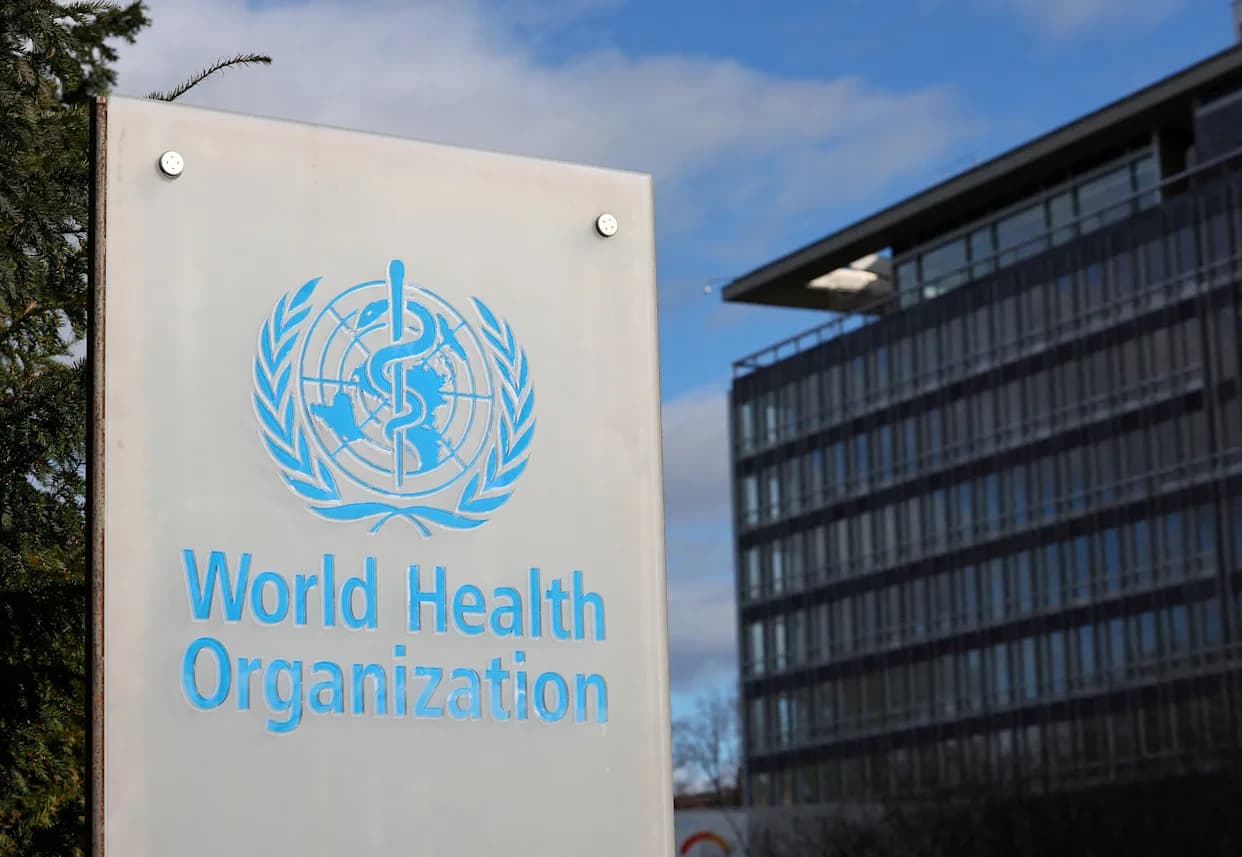
The World Health Organization's headquarters in Geneva, Switzerland [File: Denis Balibouse/Reuters]
Argentina has formally withdrawn from the World Health Organization (WHO), the government confirmed on Tuesday, completing a decision first announced a year ago. Foreign Minister Pablo Quirno said the move — which takes effect one year after formal notification — reflects Argentina's decision to pursue health cooperation through bilateral and regional channels while safeguarding national sovereignty.
Government Statement and Rationale
Quirno wrote on social media that "Today, Argentina’s withdrawal from the World Health Organization (WHO) takes effect, marking one year since the formal notification was made by our country." He added that Argentina will continue international collaboration on health matters through direct agreements with other countries and regional forums, but will retain full authority over its domestic health policies.
Pablo Quirno: "Argentina will continue to promote international cooperation in health through bilateral agreements and regional forums, while fully preserving its sovereignty and its capacity to make decisions regarding health policies."
Political Context
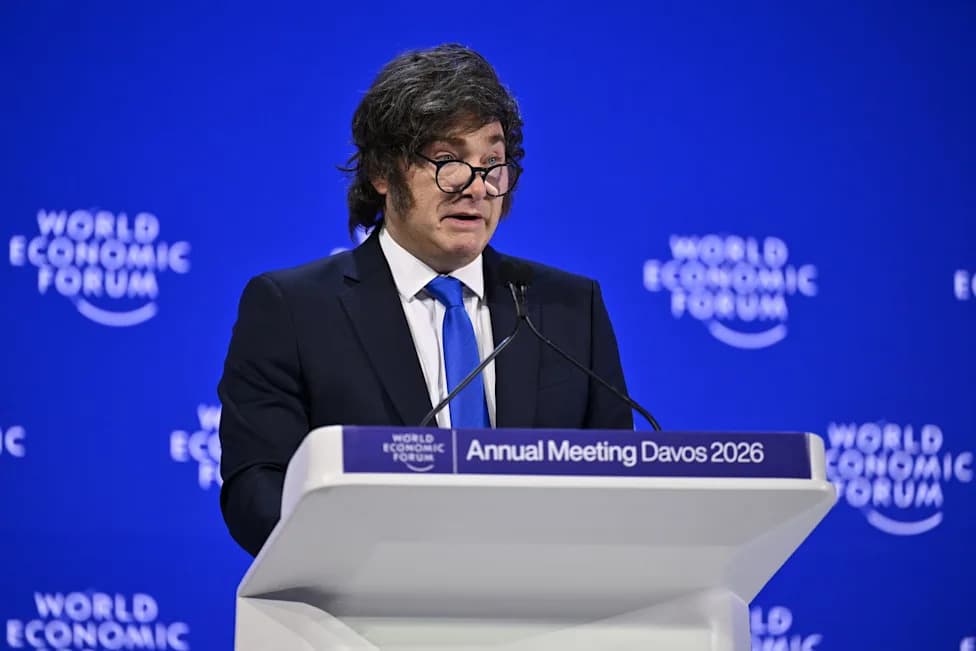
The withdrawal follows a policy announced by President Javier Milei’s administration. Milei has been a vocal critic of international institutions he views as infringing on national sovereignty and has singled out the WHO for its pandemic guidance. He previously described the agency as a "nefarious organization" and accused it of enabling excessive COVID-19 restrictions — comments that reflect broader ideological opposition to some public health measures.
International Reaction and Practical Implications
The United States made a similar decision in recent months, and WHO Director-General Tedros Adhanom Ghebreyesus warned that such withdrawals weaken global health security. The WHO primarily serves as an advisory body and does not impose policies on member states, but membership facilitates information-sharing, coordinated responses to disease outbreaks and access to technical support and training.
As of Tuesday, the WHO website still listed 194 members, including Argentina, reflecting how membership records may lag administrative changes. Health experts say the practical effects of withdrawal will depend on whether Argentina maintains cooperation on surveillance, data-sharing and emergency response through other channels.
What Comes Next?
Argentina’s government says it will rely on bilateral accords and regional cooperation to address public health challenges. Observers will be watching whether these alternatives can match the WHO’s global reach in future health emergencies.
Help us improve.