Researchers are using environmental DNA (eDNA) metabarcoding to detect large but elusive Mediterranean whales such as fin and sperm whales. eDNA from simple water samples can reveal multiple species and complements visual surveys, acoustic monitoring and tagging. Since 2023, University of Valencia sampling has detected up to five cetacean species and many fish, shark, ray and turtle species, helping map seasonal and spatial patterns. Combined methods provide the evidence needed to design targeted conservation measures like marine protected areas.
Whales Leave DNA “Footprints” in the Mediterranean — How Scientists Track Them
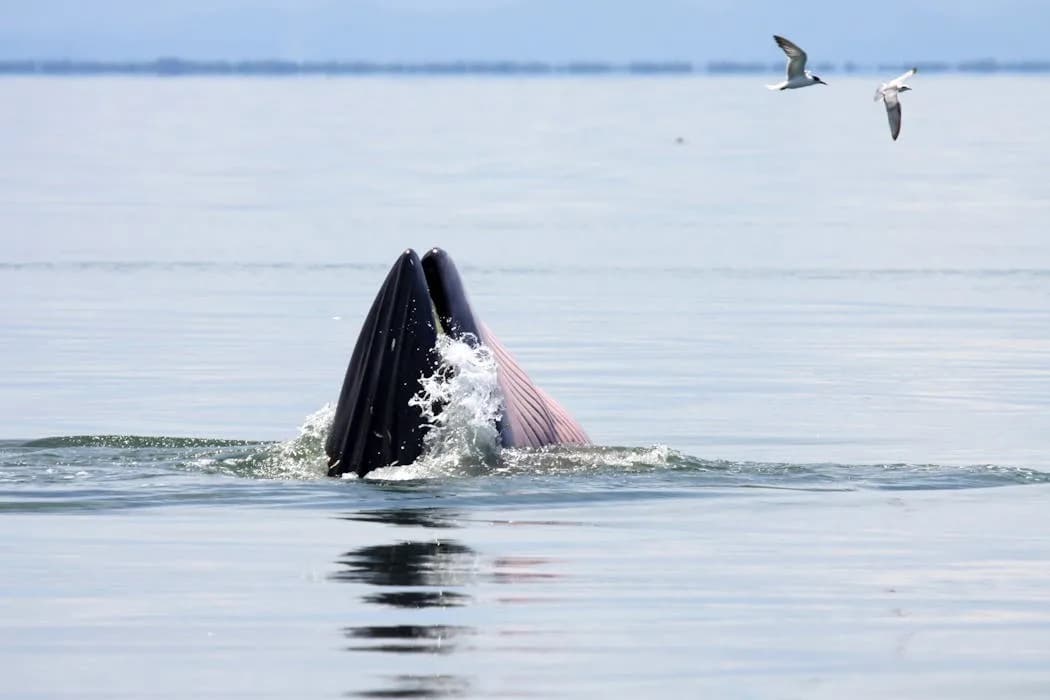
Fin whales can be found in the western Mediterranean Sea.KAMONRAT/Shutterstock
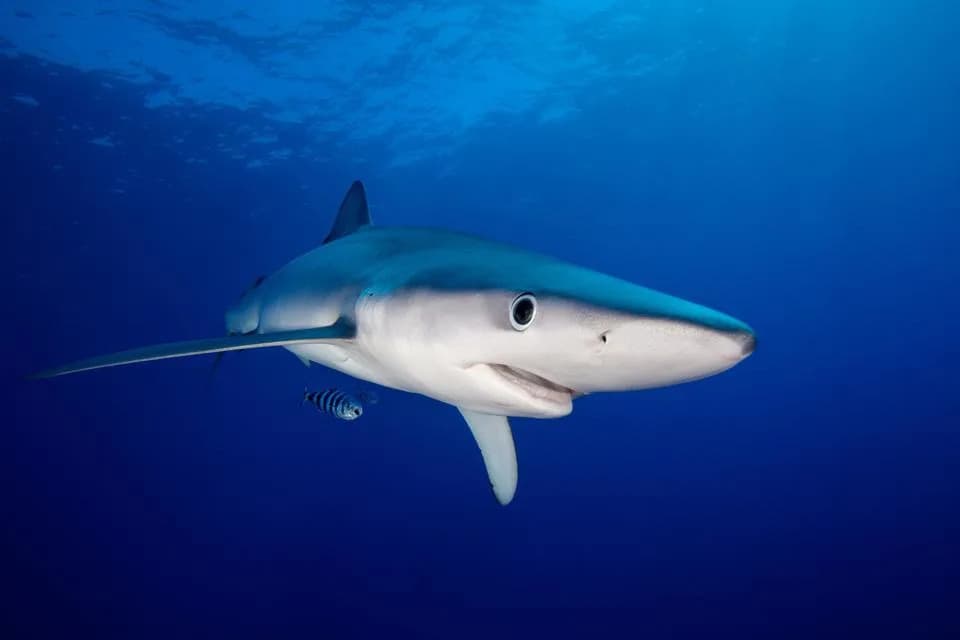
The Mediterranean Sea is home to some of the ocean’s largest animals. Among the cetaceans commonly found along its western shores are the fin whale (Balaenoptera physalus) — the world's second-largest marine animal — and the sperm whale (Physeter macrocephalus), which can reach 23 m and 18 m respectively. Mediterranean populations of both species are genetically distinct from their Atlantic relatives.
Why These Whales Are Hard To Monitor
Despite their size, these whales are often difficult to detect. The sperm whale inhabits the open ocean and feeds on squid and deep-water fish at depths exceeding 1,500 m. Its dives commonly last 30–60 minutes, with brief surface intervals of about 5–15 minutes — behavior that reduces the chance of visual detection and increases the risk of collisions with ships.
Shipping traffic, underwater noise, habitat degradation and ship strikes all threaten these populations. The International Union for Conservation of Nature (IUCN) lists Mediterranean fin and sperm whale populations as Endangered on its Red List.
How Scientists Monitor Cetaceans
Researchers combine multiple methods to build a robust picture of cetacean presence and behaviour:
- Visual surveys: Observers on boats or aircraft follow predefined transects to record sightings, counts, life stage (calf, juvenile, adult) and behaviour.
- Acoustic monitoring: Hydrophones record underwater vocalisations. Analysis of these sounds can confirm species presence and sometimes individual signatures.
- Tagging: Electronic tags record movements and environmental data, revealing fine-scale distribution, diving behaviour and habitat use.
- Strandings: Beached animals provide genetic, parasitological and dietary information that helps assess population health and threats.
Environmental DNA (eDNA): A Powerful Complement
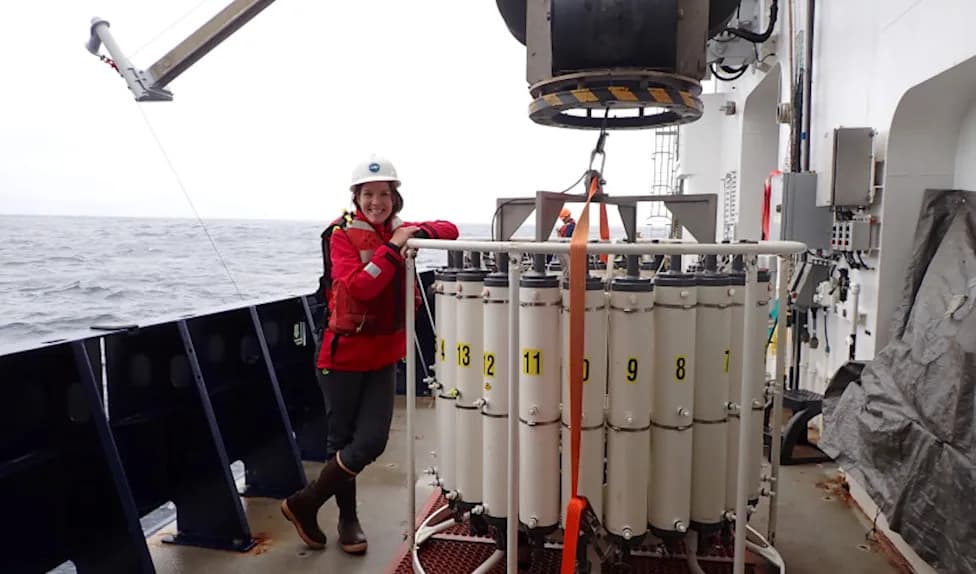
All organisms shed cells containing DNA into their environment through skin sloughing, defecation and reproductive material. In the sea, these cellular fragments disperse in the water and can be detected as environmental DNA (eDNA). A single water sample can hold traces of multiple species.
Since the early 2000s, metabarcoding—amplifying and sequencing genetic markers from mixed environmental samples—has allowed researchers to identify species from eDNA by comparing sequences against reference databases. Applied to marine systems, eDNA metabarcoding can reveal the presence of cetaceans such as fin and sperm whales as well as fish, sharks, rays and sea turtles, without needing a direct sighting.
Case Study: University of Valencia
Starting in 2023, the Marine Zoology Unit at the University of Valencia has systematically collected coastal water samples across the Valencian Community for eDNA analysis. Their work detected genetic material from up to five cetacean species, alongside numerous fish, shark, ray and sea turtle species. These detections help identify frequently used areas and seasonal patterns, informing spatial conservation measures such as marine protected areas.
Sampling can be scaled efficiently by using vessels that already operate in the region — ferries, research vessels and fishing boats — to collect water for eDNA analysis. Projects such as LIFE CONCEPTU MARIS combine onboard visual observations with systematic eDNA sampling from commercial and research vessels, reducing costs and environmental impact while broadening monitoring coverage.
Integrating Methods for Effective Conservation
eDNA does not replace traditional approaches; it complements visual surveys, acoustic monitoring and tagging. When integrated, these methods provide a more complete and cost-effective picture of cetacean presence, habitat use and community composition. That evidence base is essential to design targeted conservation measures and reduce threats like ship strikes and noise pollution.
Authors: Chloé Fernandez, doctoral student, Marine Zoology Unit, University of Valencia; Natalia Fraija Fernández, researcher, Marine Zoology Unit, University of Valencia. Their work is part of projects including CETABIOENA and CONCEPTU MARIS, funded by regional and EU sources.
Originally published in The Conversation.
Help us improve.