Short Version: President Trump’s recent actions — strikes related to Iran and a high-profile demand for tougher national voting laws — have deepened divisions within the House GOP and complicated the party’s midterm messaging. Rising gasoline prices (from $2.94 to $3.63 per gallon in about a month) threaten the party’s economic pitch, while Trump’s SAVE America Act ultimatum risks stalling other legislative priorities. House leaders are also debating a second reconciliation bill, but doubts remain about its feasibility and timing.
Trump’s Moves Complicate GOP Midterm Playbook: Gas Prices, Voter ID Ultimatum, and a Divided House
Trump snarls GOP’s midterm message
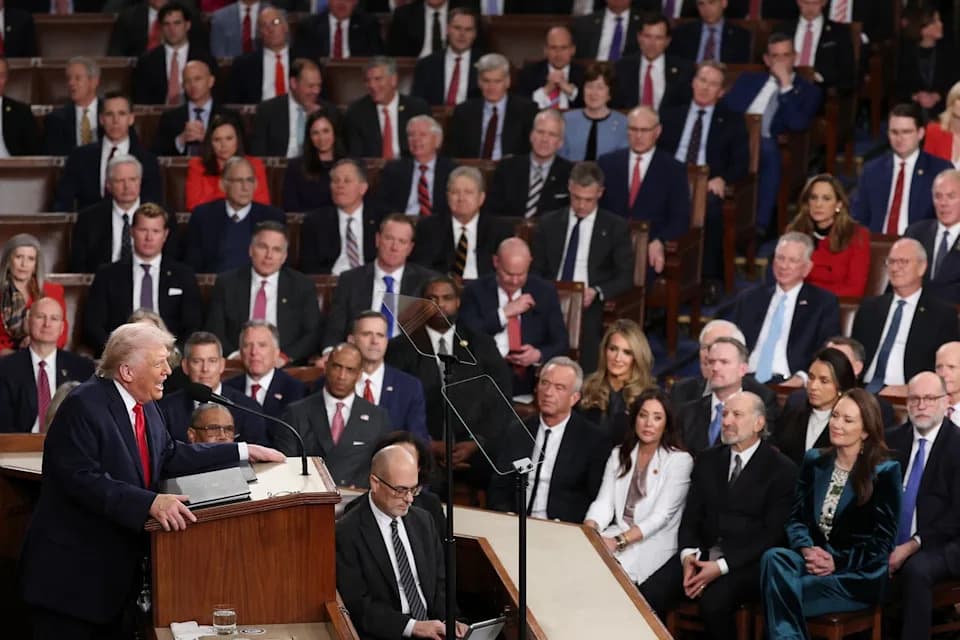
House Republicans spent months trying to coalesce around a midterm strategy to preserve their majority this November. In the last two weeks, however, President Donald Trump’s actions — including involvement in strikes related to Iran and a high-profile demand for tougher national voting laws — have intensified fractures within the GOP and complicated the party’s message to voters.
Political Fallout and Messaging Headaches
Trump’s rhetoric and actions toward Iran have blurred his “America First” messaging and made it harder for Republicans to keep the conversation focused on lowering costs for American families. His new public demand that Congress pass national voter-ID legislation before he will sign additional bills put him at odds with GOP leaders on Capitol Hill and injected fresh tension into already fractious conference dynamics.
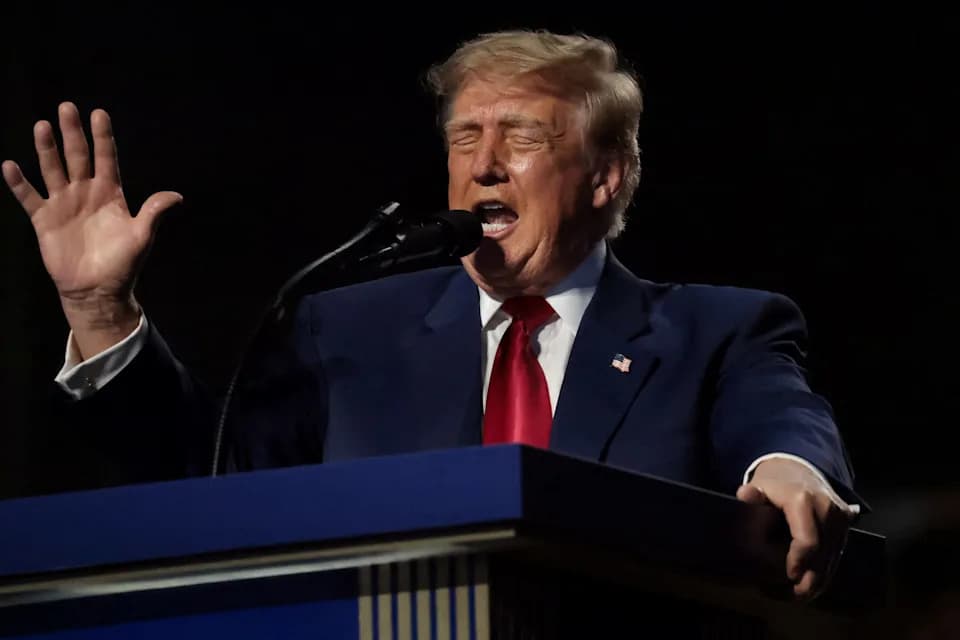
“The people are demanding it,” Trump told Republicans at the Doral retreat. “Every time I go out, save America! Save America! We want the SAVE America Act!... And if you send it up there, you will win the midterms and you will win every election for a long time.”
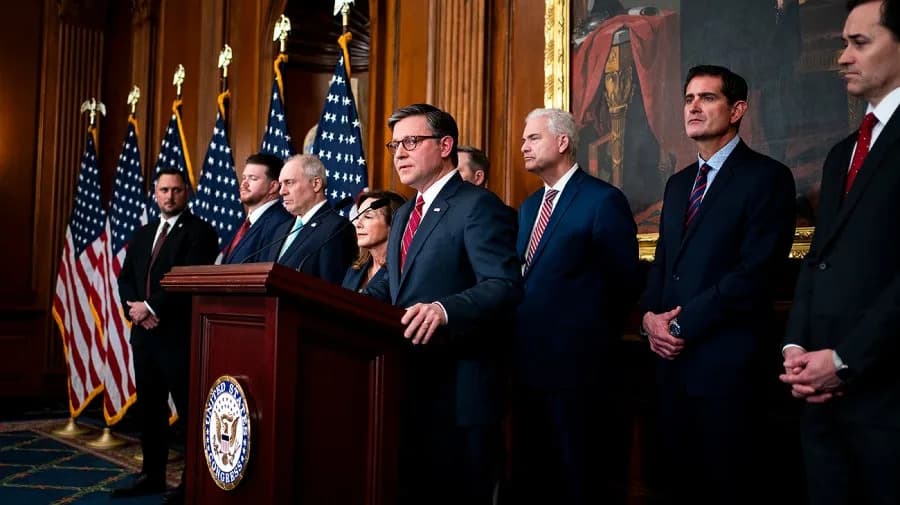
Although the House has already passed the SAVE America Act, Speaker Mike Johnson sought to minimize the threat posed by Trump’s ultimatum, noting during the retreat that under the Constitution a bill becomes law if the president does not sign it within 10 days while Congress is in session. Trump did not explicitly threaten to veto bills.
Economic Impact: Gas Prices and Voter Anxiety
Since Feb. 28, when the U.S. joined Israeli strikes related to Iran, pump prices have climbed sharply amid concerns about threats to tankers in the Strait of Hormuz. AAA reported a national average of $3.63 per gallon on Friday, up from $2.94 a month earlier — a jump Republicans worry will undercut the party’s economic message.
Some Republicans argue the temporary increase is a necessary cost of degrading Iran’s military and nuclear capabilities. “If that means prices go up for a time, I think Americans understand, we can live with that,” Rep. Jim Jordan said. But other GOP strategists warn that sustained higher consumer costs, especially during summer travel, could damage the party’s standing with voters more concerned about pocketbook issues than foreign policy.
Legislative Gridlock and Intra-Party Splits
Trump’s demand for a national voter-ID measure has roiled Republican senators and raised fraught questions about the filibuster’s future, threatening to stall other priorities including housing legislation intended to lower consumer costs. Some House Republicans have reacted by attaching their own ultimatums: Rep. Brandon Gill wrote that he would vote against all Senate bills (other than DHS funding) until the SAVE America Act passes the Senate.
At the same time, House leadership is weighing a second reconciliation bill to advance conservative priorities without needing 60 votes in the Senate. Reconciliation, an arcane but powerful budget tool, was the path used last year to pass Trump’s “big beautiful bill.” Proponents argue it could deliver tax and regulatory relief, housing measures, and health-policy changes aimed at reducing costs. Skeptics note it is historically rare to pass two partisan reconciliation bills in a single Congress.
“Our number one objective for the remainder of the year — top priority — is to continue to work with President Trump and the administration to reduce the cost of living for hardworking American families,” Speaker Johnson said.
What to Watch
- Whether Senate Republicans will embrace national voter-ID legislation or resist changes that could reopen debate over the filibuster.
- If gas prices remain elevated into summer, how much that shifts voter sentiment and affects key House races.
- Whether House GOP leaders can unify enough votes to advance a second reconciliation package before November.
With a narrow majority and a record number of incumbents stepping down, GOP leaders face a compressed window to turn legislative goals into tangible wins while managing internal divisions and the political risks stemming from foreign-policy developments.
Help us improve.