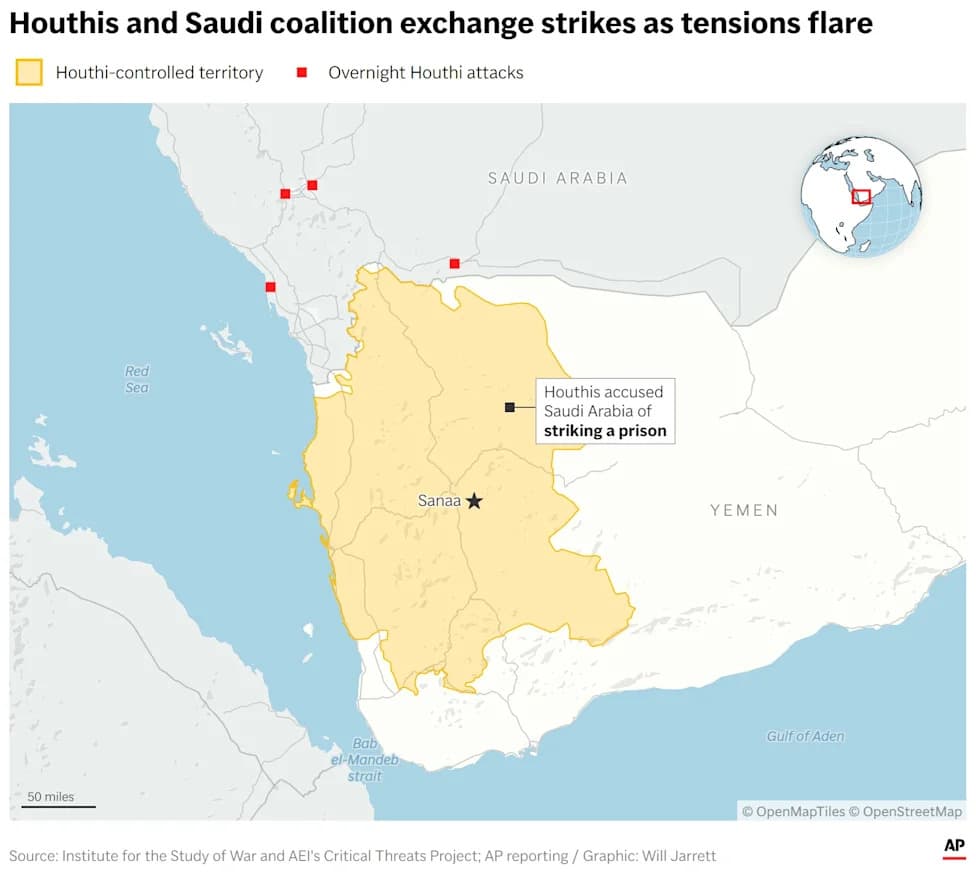
The Iran‑backed Houthi movement in Yemen has largely stayed out of the expanding Iran‑linked conflict, citing weapon shortages, fears of targeted assassinations and internal political constraints. Analysts warn Tehran could still mobilize the group to pressure Red Sea shipping and global oil routes. The Houthis maintain substantial drone capabilities and appear to be recruiting and repositioning forces, but any escalation will depend on timing, domestic drivers and coordination with Iran.
Why Yemen’s Houthis Have Stayed Out — And When They Might Join Iran‑Linked Fighting
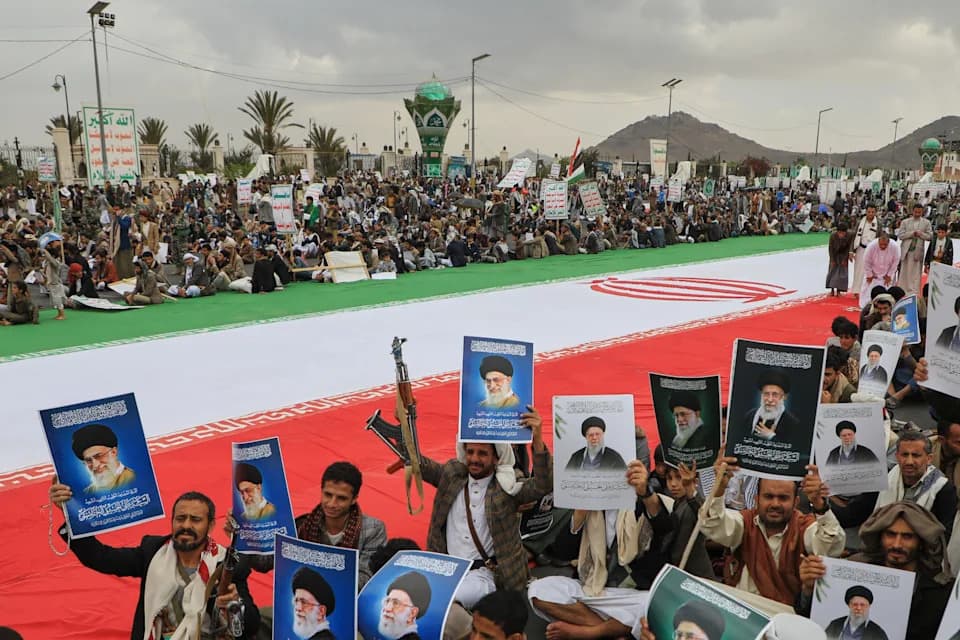
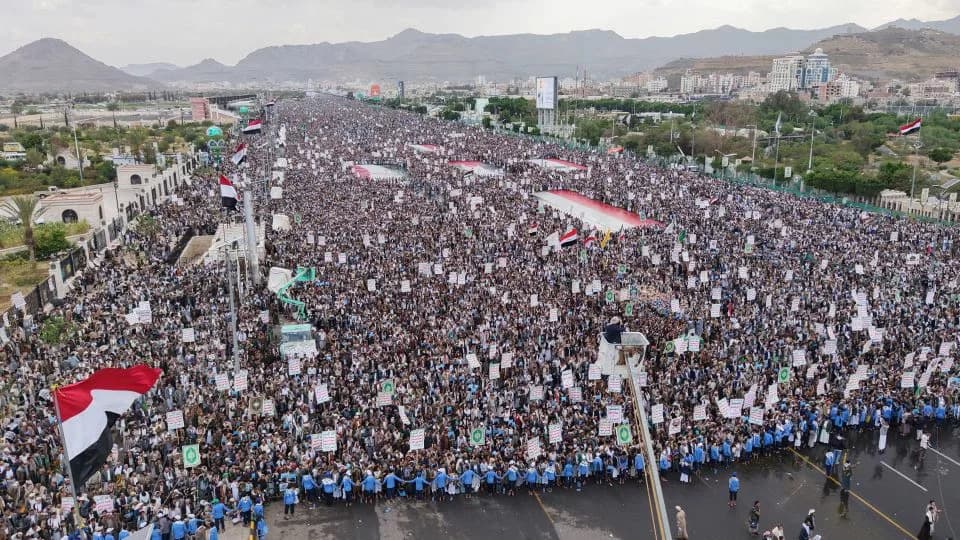
Houthi supporters hold posters of Iran's late Supreme Leader Ayatollah Ali Khamenei, who was killed in an attack by Israel and the U.S., next to a giant Iranian flag as they protest the war on Iran, in Sanaa, Yemen, Friday, March 6, 2026. (AP Photo/Osamah Abdulrahman)(ASSOCIATED PRESS)
Yemen’s Houthi movement, long backed by Iran, has so far refrained from joining the widening Iran‑linked conflict across the Middle East. Analysts say the group’s caution reflects a mix of tactical calculation, depleted weapon stocks, internal political constraints and fears of targeted assassinations — even as Tehran signals it could open new fronts in the region.
Why the Houthis Have Held Back
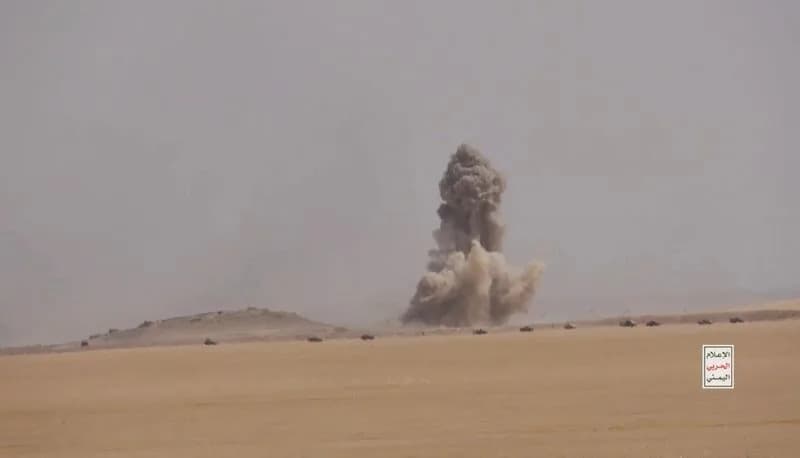
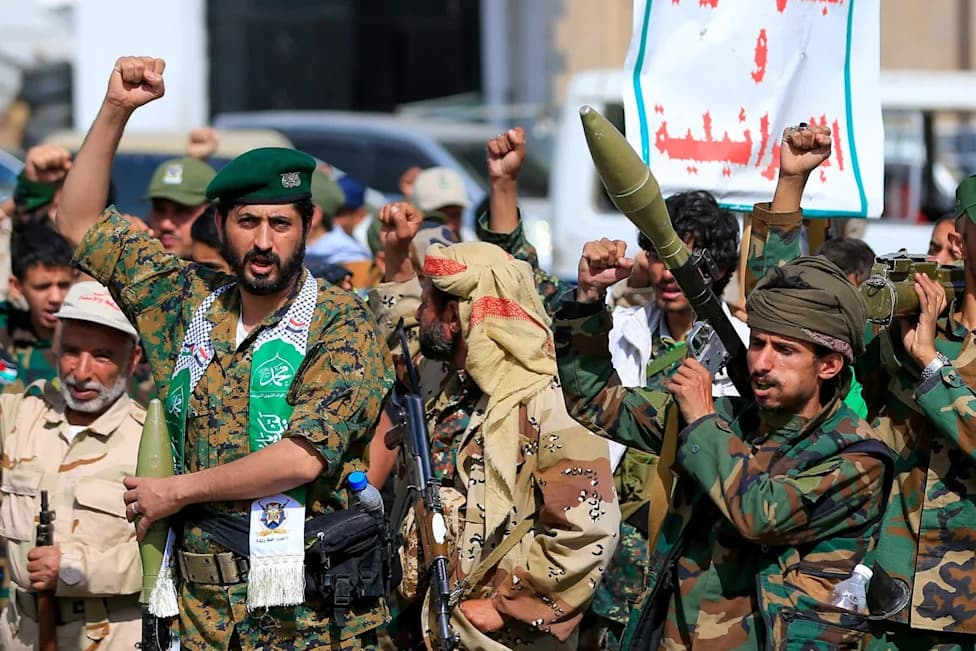
The Houthis were prominent actors during the Israel‑Hamas war in 2023, launching repeated missile and drone attacks on Israeli territory and commercial shipping in the Red Sea. Yet since the broader Iran‑linked reprisals began, their activity has been largely limited to protests and condemnatory statements.
- Weapons and logistics: Houthi officials told reporters that stockpiles were strained after the 2023 campaign, and resupply has been complicated by the wider regional conflict.
- Security and leadership risks: The group fears assassination attempts and has reportedly limited public appearances by leaders amid surveillance and warnings.
- Domestic politics: Internal divisions, public opposition in parts of Yemen and recent deadly clashes in the south weigh on any decision to escalate.
- Strategic timing: Experts argue the Houthis — and Iran — may be preserving capabilities to use them selectively as the regional confrontation evolves.
What Could Prompt Houthi Entry
Analysts say several triggers could change the Houthis’ calculus: a significant widening of the conflict, coordinated direction or incentives from Tehran, or a perceived existential threat to Iran that would compel more partners to act. Houthi leader Abdulmalik al‑Houthi has warned the movement’s "hands are on the trigger," but the form and timing of any intervention remain unclear.
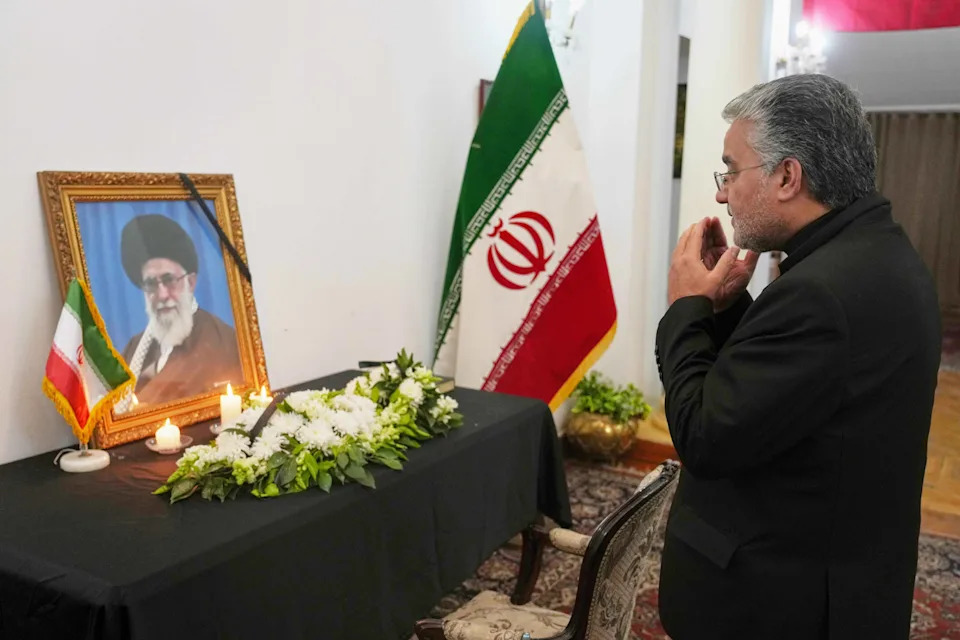
Mojtaba Ferdousi Pour, Iranian Ambassador to Egypt, prays in front of a a makeshift memorial for Iran's late Supreme Leader Ayatollah Ali Khamenei, who was killed in a major attack by Israel and the United States, at the Iranian embassy in Cairo, Thursday, March 5, 2026. (AP Photo/Amr Nabil)(ASSOCIATED PRESS)
Likely Targets and Tactics
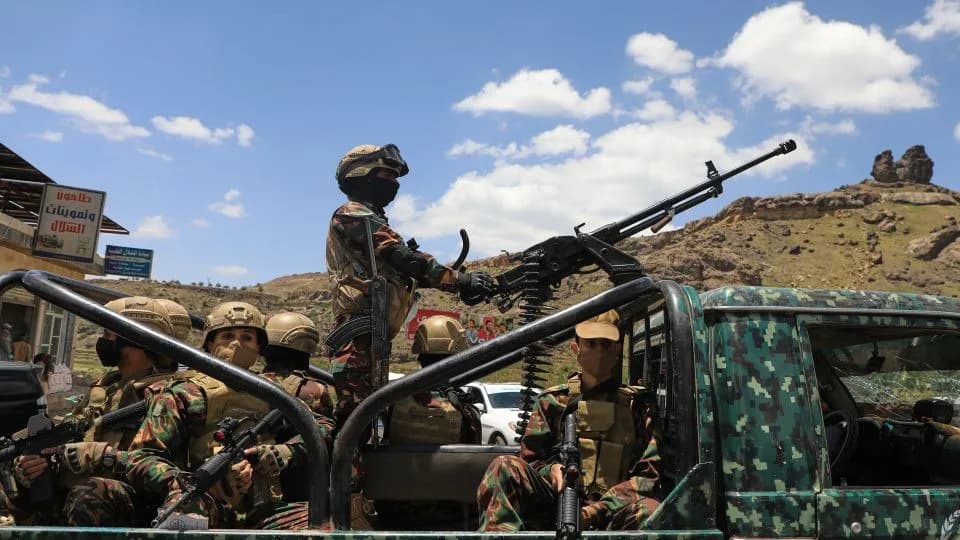
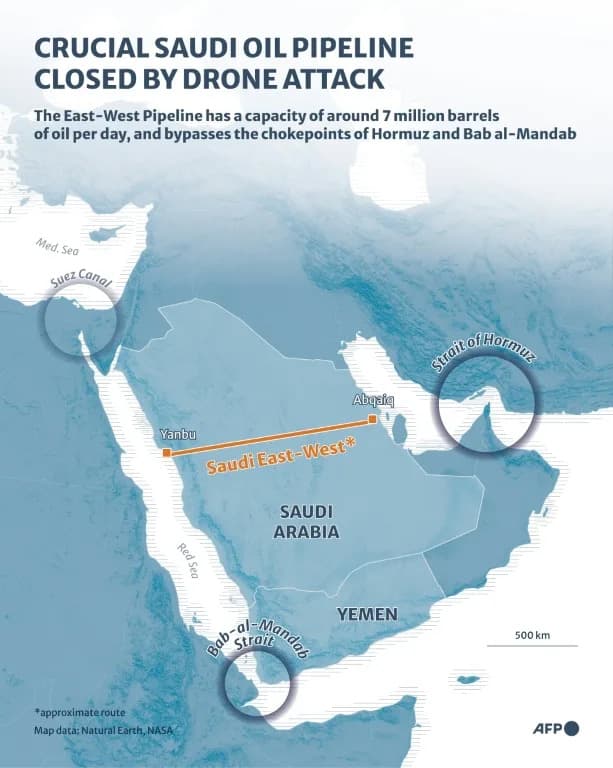
If the Houthis intervene, their most probable actions include renewed attacks on commercial shipping in the Red Sea and Gulf of Aden, strikes on oil tankers or energy infrastructure, and potential strikes against Israeli or U.S. assets in the region. The group still retains a substantial drone capability even as other weapon stocks are reported to be low.
“This is about timing rather than unwillingness,” said Ahmed Nagi of the International Crisis Group, noting the Houthis appear to be rebuilding and repositioning forces along Yemen’s Red Sea coast.
Constraints and External Pressures
U.S. warnings delivered through Omani intermediaries, reports of surveillance of Houthi leaders, and the risks posed by high‑profile assassinations are among the external pressures cited by analysts and Houthi officials. At the same time, the group’s local priorities — governance, territorial control and internal security — shape how far it is willing to project force beyond Yemen.
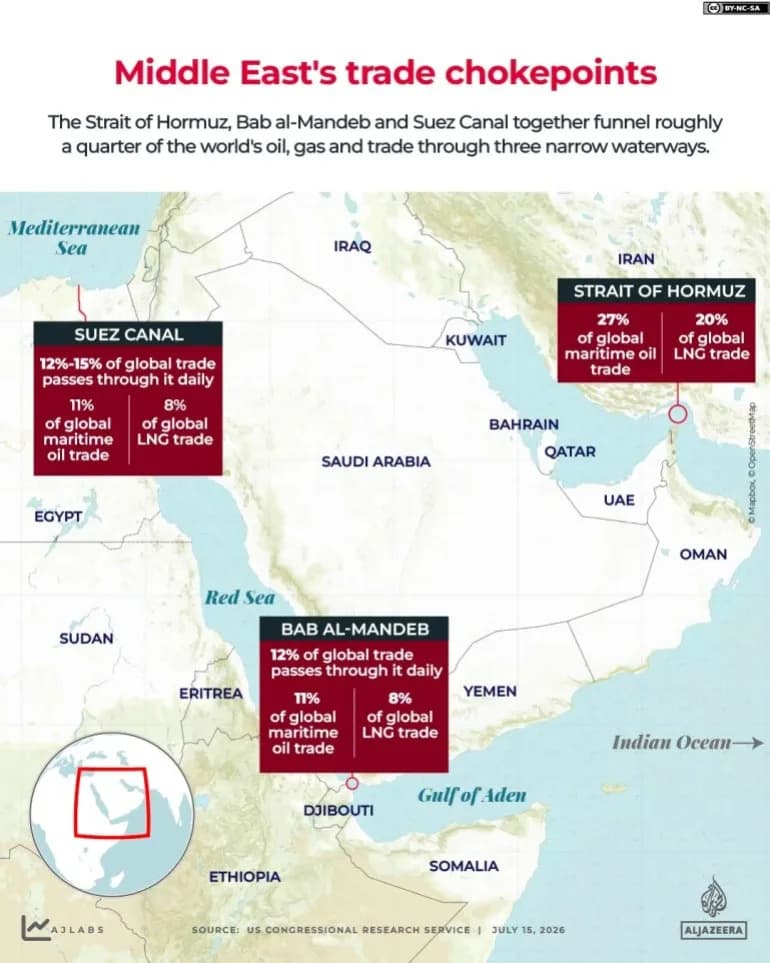
Whatever course the Houthis take, experts say their involvement would be coordinated with broader Iranian strategy and could be used to exert pressure on global oil routes and regional trade — especially shipping through the Red Sea, a corridor that previously carried roughly $1 trillion in annual trade flows.
Reporting note: Associated Press journalist Ahmed al‑Haj in Aden contributed to this report.
Help us improve.