University of Chicago researchers developed nanoparticles that deliver PD-L1 mRNA directly to insulin-producing beta cells, prompting those cells to produce a protein that can reduce immune attack. In preclinical tests the treatment delayed type 1 diabetes progression in mice and showed protective effects in models with transplanted human beta cells. The work is published in Cell Reports Medicine but remains at the laboratory and animal stage; further studies are needed to assess long-term safety, dosing and effectiveness before human trials.
mRNA Nanoparticles Could Shield Beta Cells and Delay Type 1 Diabetes, Preclinical Study Shows

Diabetes breakthrough approach could protect cells and prevent disease
Researchers at the University of Chicago have engineered a targeted mRNA nanoparticle delivery system designed to protect insulin-producing beta cells and potentially prevent or slow the onset of type 1 diabetes.

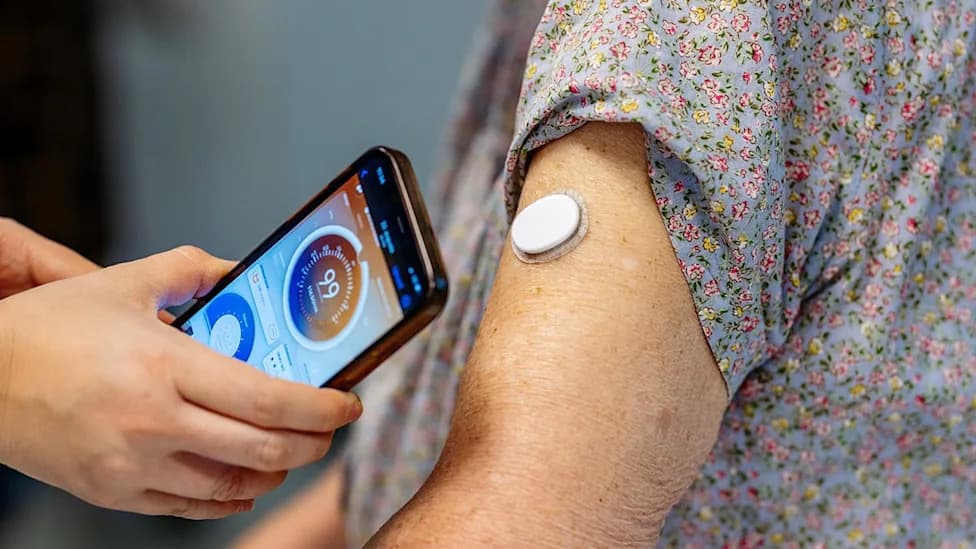
Researchers have developed an mRNA therapy that could help prevent or slow the development of type 1 diabetes.(iStock)
Type 1 diabetes is an autoimmune disease in which the immune system attacks and destroys pancreatic beta cells that produce insulin. People living with the condition require daily insulin to manage blood sugar and survive. The disease affects roughly 1.9 million Americans.

Further testing is needed to confirm safety, dosing and effectiveness before human trials, the researchers noted.
How the Therapy Works
The team packaged messenger RNA (mRNA) encoding PD-L1 into nanoparticles that selectively enter beta cells. Once inside, the mRNA instructs the cells to produce PD-L1, a protein that can blunt immune attacks and reduce inflammation and tissue damage. The approach aims to protect beta cells directly instead of broadly suppressing the immune system.

If future human studies confirm these findings, the approach could serve as a new way to prevent or delay type 1 diabetes by protecting insulin-producing cells, the researchers stated.
Preclinical Results
In laboratory and animal tests, the nanoparticles reached their target cells and induced PD-L1 production. Treated mice showed a delay in progression of type 1 diabetes. The strategy also produced protective effects in mouse models containing transplanted human beta cells, suggesting potential translational relevance.
"In this initial therapeutic proof of concept, we showed that we were able to deliver PD-L1 mRNA with our nanoparticle system, enable a delay in type 1 diabetes progression in mice, and also show potential translational relevance within human cells," said lead author Jacob Enriquez, Ph.D., a postdoctoral scholar at UChicago.
"So not only have we provided a vehicle for delivery to beta cells, which is innovative and exciting, but we've also shown that they can produce PD-L1 for immune protection," added co-author Raghu G. Mirmira, director of the UChicago Diabetes Research and Training Center.
Limitations and Next Steps
The researchers emphasize that the work remains preclinical. The studies were performed in cells and animal models and did not evaluate long-term safety, optimal dosing, or how durable the protective effect would be in humans. Additional preclinical testing and carefully designed clinical trials will be required to determine safety and efficacy in people.
The findings were published in Cell Reports Medicine, and the study was funded by Breakthrough T1D and the National Institutes of Health.
Help us improve.