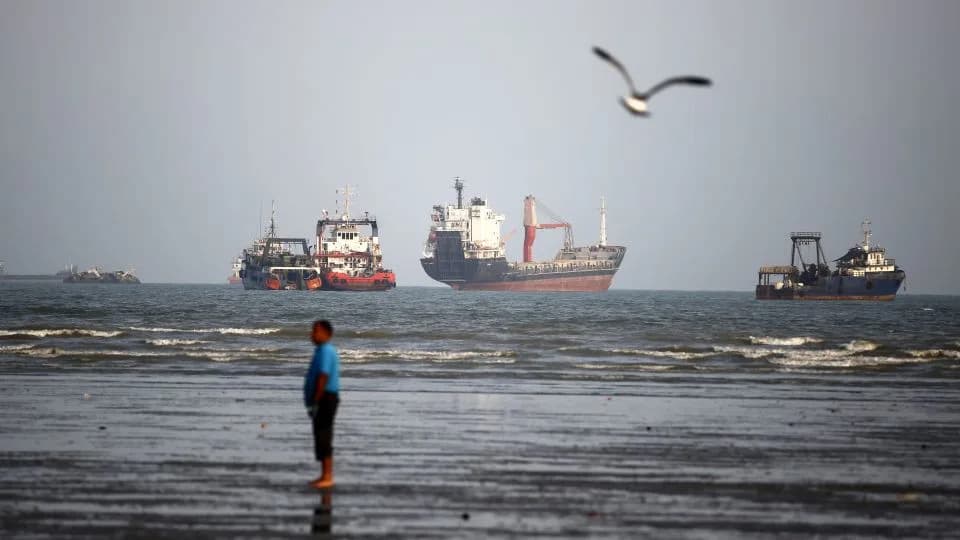
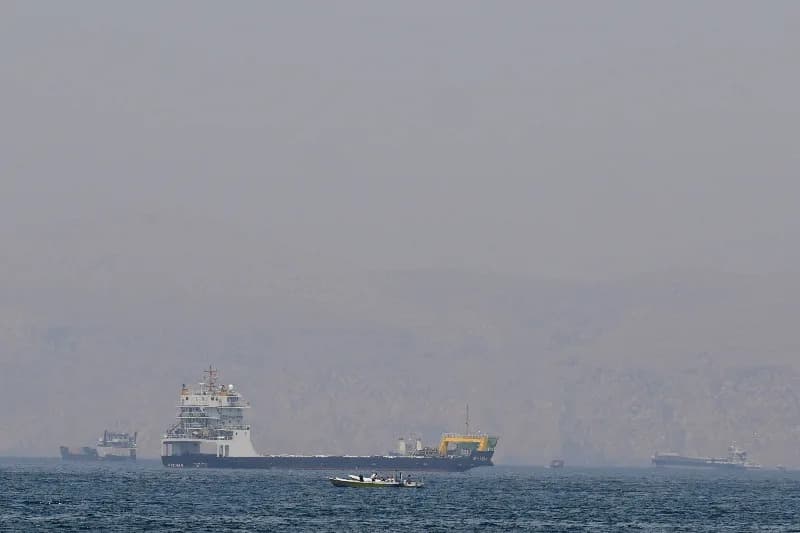
U.S.-Israeli strikes on Iran under Operation Epic Fury coincided with a spike in electronic warfare and several reported attacks on vessels around the Strait of Hormuz. A Feb. 28 U.S. advisory had urged ships to avoid the Persian Gulf, Gulf of Oman and Arabian Sea. Windward reported GPS and AIS disruptions affecting over 1,000 ships, while UKMTO recorded explosions and strikes near Sharjah, Muscat and Mina Saqr. Major carriers like Maersk are rerouting services amid warnings of possible Houthi retaliation and the risk of vessels being seized.
Hormuz Erupts: Ship Attacks, Widespread GPS Jamming and Houthi Threats After U.S.-Israeli Strikes
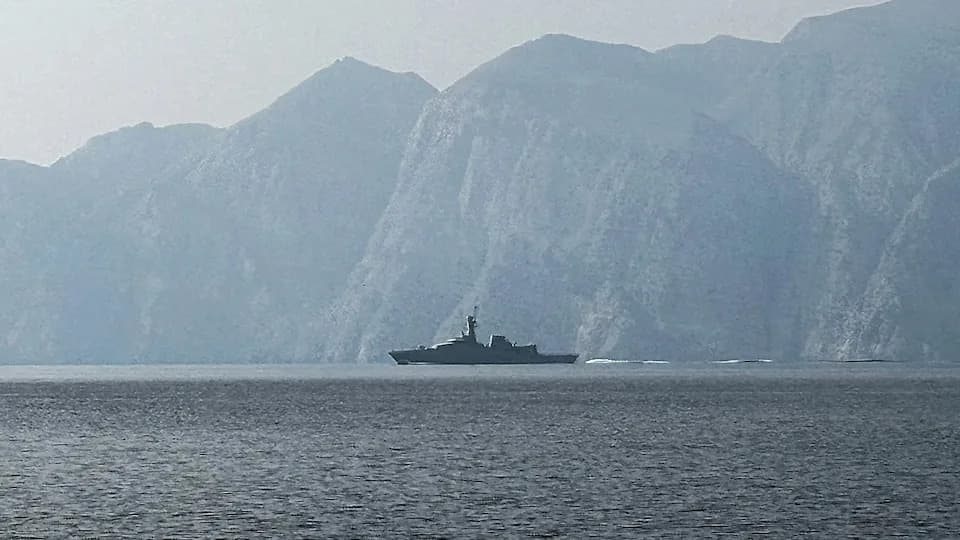
Navy vessel is seen sailing in the Strait of Hormuz, a vital waterway through which much of the world's oil and gas passes, on March 1, 2026.(Getty Images)
The Strait of Hormuz became a volatile flashpoint Sunday after U.S.-Israeli strikes on Iran under Operation Epic Fury coincided with a surge in electronic warfare and multiple reported attacks on vessels transiting one of the world's most important energy corridors.
U.S. maritime authorities had earlier issued an advisory on Feb. 28 urging commercial ships to avoid the Persian Gulf, the Gulf of Oman and the Arabian Sea where practicable because of elevated security risks.
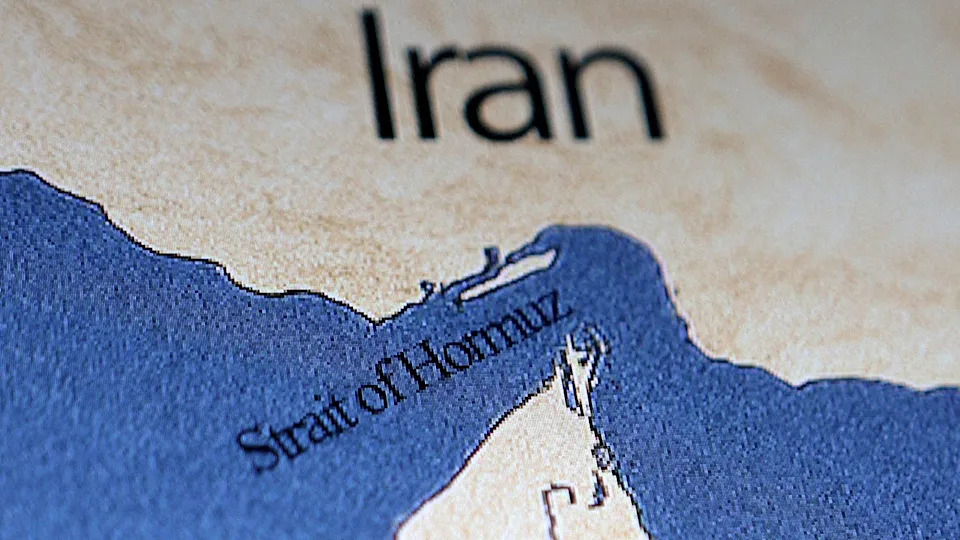
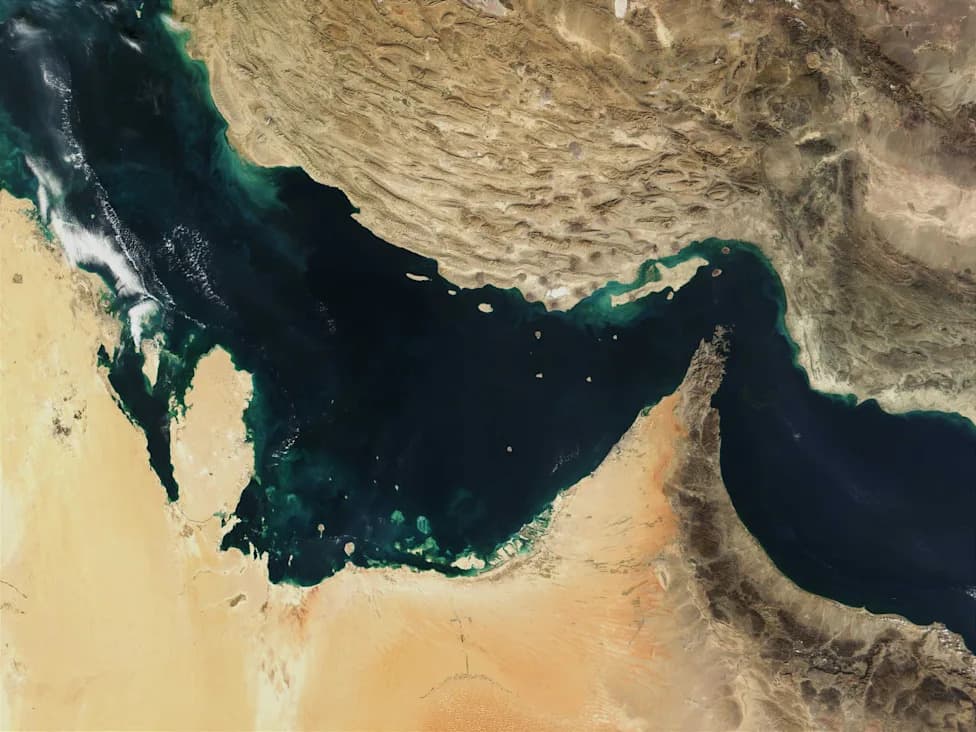
A map showing the Strait of Hormuz and Iran.
It is recommended that vessels keep clear of this area if possible.
Jakob P. Larsen, head of maritime security at Bimco, told Fox News Digital that "the Persian Gulf, Strait of Hormuz and adjacent waters are the most dangerous place right now for commercial shipping." He added that many vessels are attempting to depart the Persian Gulf or distance themselves from Iranian waters to reduce risk.
Reported Incidents and Electronic Disruption
The UK Maritime Trade Operations (UKMTO) and regional authorities logged several maritime incidents Sunday described as "attacks." Data showed one vessel west of Sharjah, UAE, experienced an explosion from an unknown projectile that detonated close alongside; a tanker north of Muscat, Oman, was struck above the waterline and caught fire that was later brought under control; and a third vessel northwest of Mina Saqr, UAE, was hit and ignited.
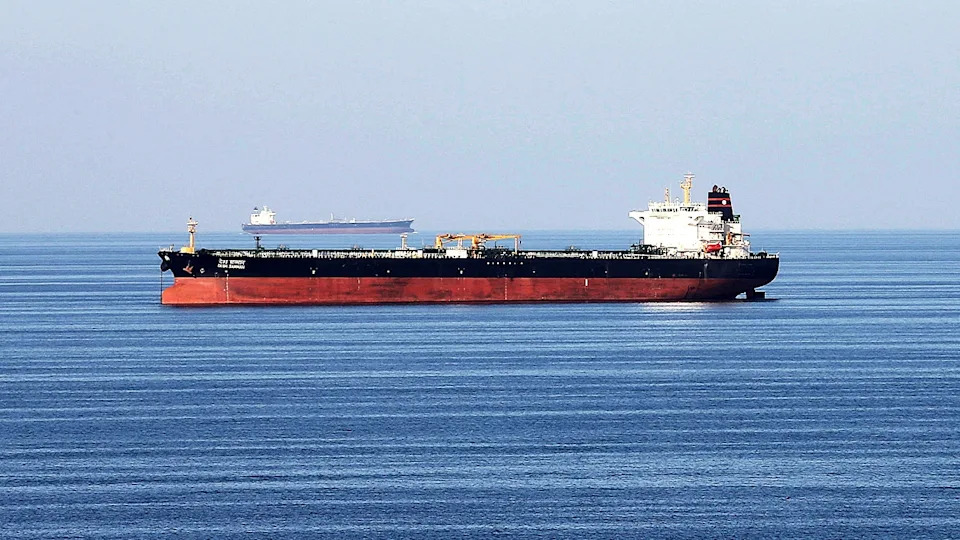
The Strait of Hormuz faces heightened security risks after U.S.-Israeli strikes triggered maritime incidents, prompting shipping companies to reroute vessels.
Maritime intelligence firm Windward reported widespread GPS and Automatic Identification System (AIS) interference affecting more than 1,000 ships. Windward said navigation anomalies were particularly severe near Iran's Bandar Abbas port, with some vessels appearing on AIS as if they were at airports, a nuclear facility or other inland locations. New AIS jamming clusters were also identified across Emirati, Qatari, Omani and Iranian waters.
Commercial Impact and Regional Risks
Major shipping company Maersk announced rerouting of some services, citing crew and cargo safety concerns. Roughly 20% of the world's oil and gas exports transit the Strait of Hormuz; traffic has already thinned as some tankers reversed course or disabled AIS transponders.
Industry groups and analysts warned of potential Houthi retaliation in the Red Sea and Gulf of Aden and cautioned that Iran could seize vessels linked to U.S. or Israeli interests. The tanker owners' association Intertanko told members it expects the Houthis may respond and resume attacks on shipping, although immediate intelligence remained unclear.
There were no immediate signs that Iran had deployed sea or naval mines to close the Strait, but maritime experts warned the situation could change rapidly. Larsen also confirmed that GPS interference has increased significantly since the initiation of hostilities.
Help us improve.