Canada’s prime minister begins a three-nation Asia tour in India to diversify markets and reduce reliance on the United States. Ottawa aims to more than double two-way trade with India to C$70 billion by 2030, while talks in Australia and Japan will emphasize critical mineral supply chains. The visits come amid tension over alleged foreign interference and ongoing scrutiny of Canada–India ties.
Canada Seeks New Markets: Prime Minister Begins Asia Tour to Boost Trade and Secure Critical Minerals
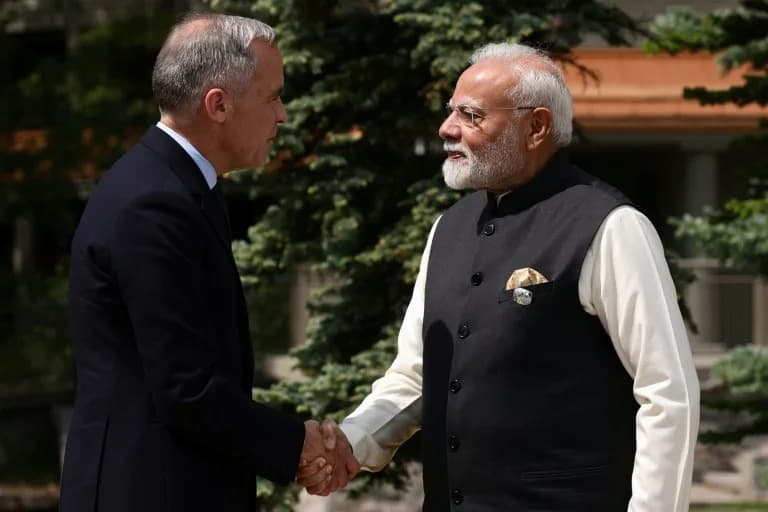
Canadian Prime Minister Mark Carney greets Indian Prime Minister Narendra Modi at a G7 meeting last year in western Canada (Teresa SUAREZ)(Teresa SUAREZ/POOL/AFP)
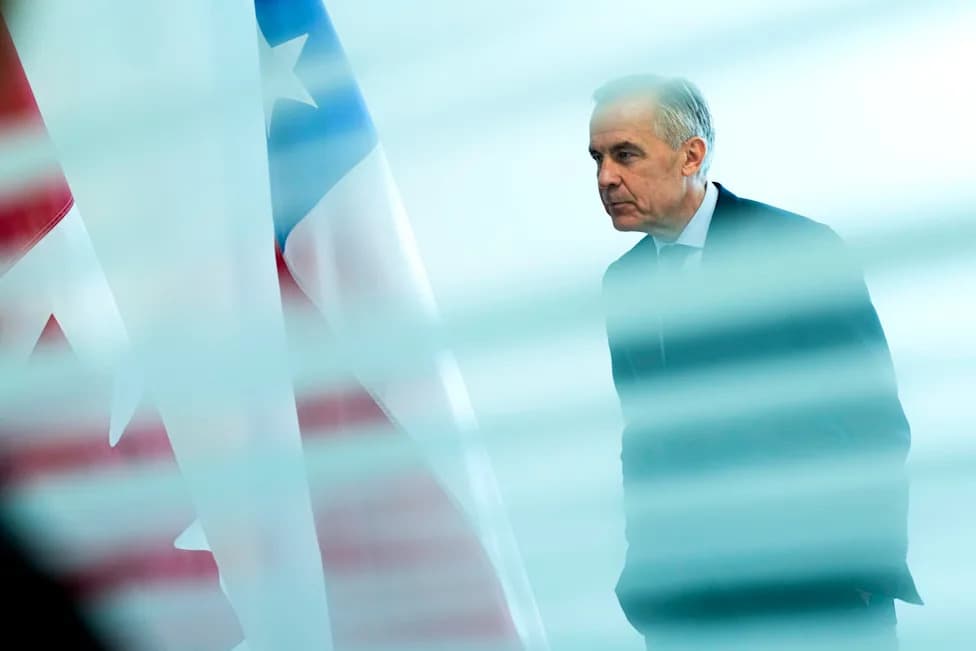
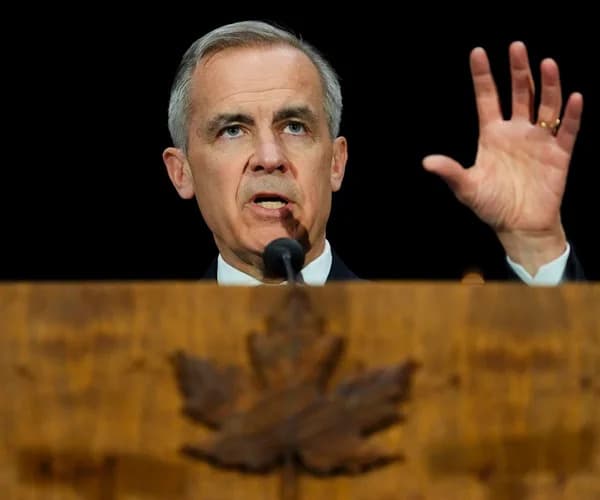
Canada's prime minister departs for a three-country Asia tour on Thursday, beginning in India, with an ambitious goal to expand trade ties and reduce the country's heavy economic reliance on the United States.
Trade Pivot in Context
In 2024, more than 75 percent of Canadian exports went to the United States and two-way trade exceeded US$900 billion. Recent targeted U.S. tariffs have hurt parts of the Canadian economy, prompting Ottawa to prioritize diversification of export markets. While much U.S.-Canada trade remains tariff-free under the United States–Mexico–Canada Agreement (USMCA), Washington has signaled it could reconsider the arrangement.
India: A Key Opportunity — and Political Sensitivity
The prime minister has set a target to more than double two-way trade with India to C$70 billion (about US$51 billion) by 2030. The India stop is therefore central to that economic strategy — but it comes amid intense domestic scrutiny.
Ottawa has publicly alleged foreign interference and intimidating campaigns targeting activists on Canadian soil related to events in 2023. New Delhi denies those allegations. The prime minister’s meetings with Indian leaders will be watched closely for how trade ambitions are balanced with human-rights and national-security concerns.
“It’s not a solution. It’s not a replacement and it never will be,” said University of Toronto public policy expert Drew Fagan, cautioning that market diversification can help but cannot fully offset damage from a major rupture with the United States.
Australia and Japan: Critical Minerals and Supply Chains
Visits to Australia and Japan are expected to focus on cooperation over critical mineral supply chains, particularly processing of rare earth elements and other inputs essential to clean energy and high-tech manufacturing. Ottawa has emphasized the strategic importance of developing alternatives to the current concentration of processing in China — a point highlighted during Canada’s recent G7 presidency.
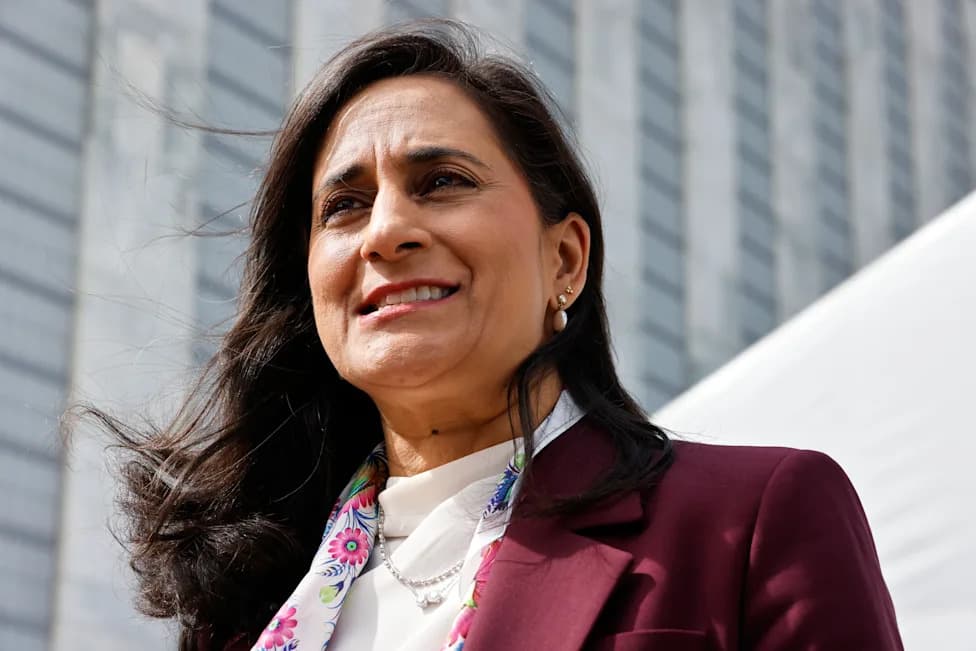
“Concerns about transnational repression are always at the forefront of our minds,” Canadian Foreign Minister Anita Anand said when asked whether those issues would be raised in New Delhi.
Outlook
The trip reflects a pragmatic attempt to broaden Canada’s economic partnerships while navigating delicate diplomatic tensions. Success will depend on converting diplomatic outreach into concrete trade deals and supply-chain agreements — and on managing the domestic political sensitivities that accompany engagement with India.
Help us improve.