Turkish scientists warn that prolonged rainfall shortages have pushed drought in Central Türkiye to historic levels, with Kırşehir recording its lowest rainfall in 65 years and 2025 marking the worst totals so far. Groundwater and surface reservoirs have fallen to critical levels, straining agriculture and local water supplies. Officials have launched a nationwide water-efficiency mobilization and urged conservation, while experts recommend crop rotation, fallowing and drought-tolerant varieties to reduce agricultural water use.
Historic Drought Pushes Central Türkiye's Water Supplies to Critical Levels — Scientists Sound the Alarm
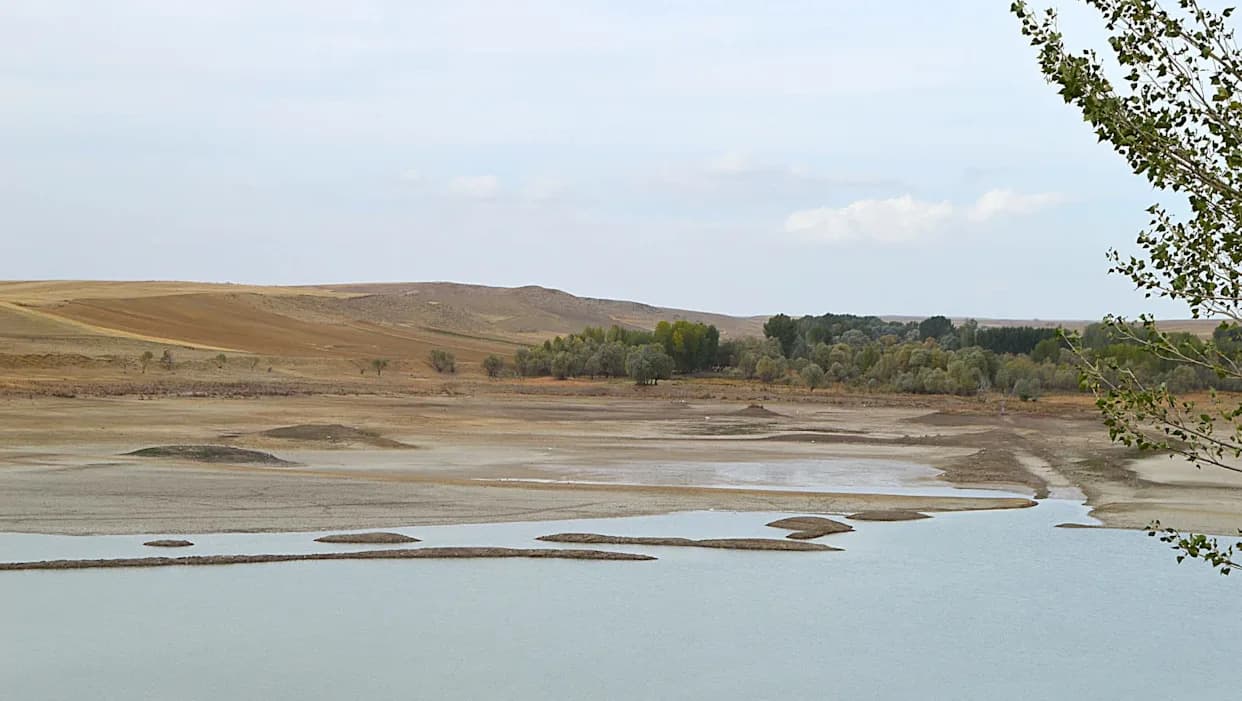
Photo Credit: iStock
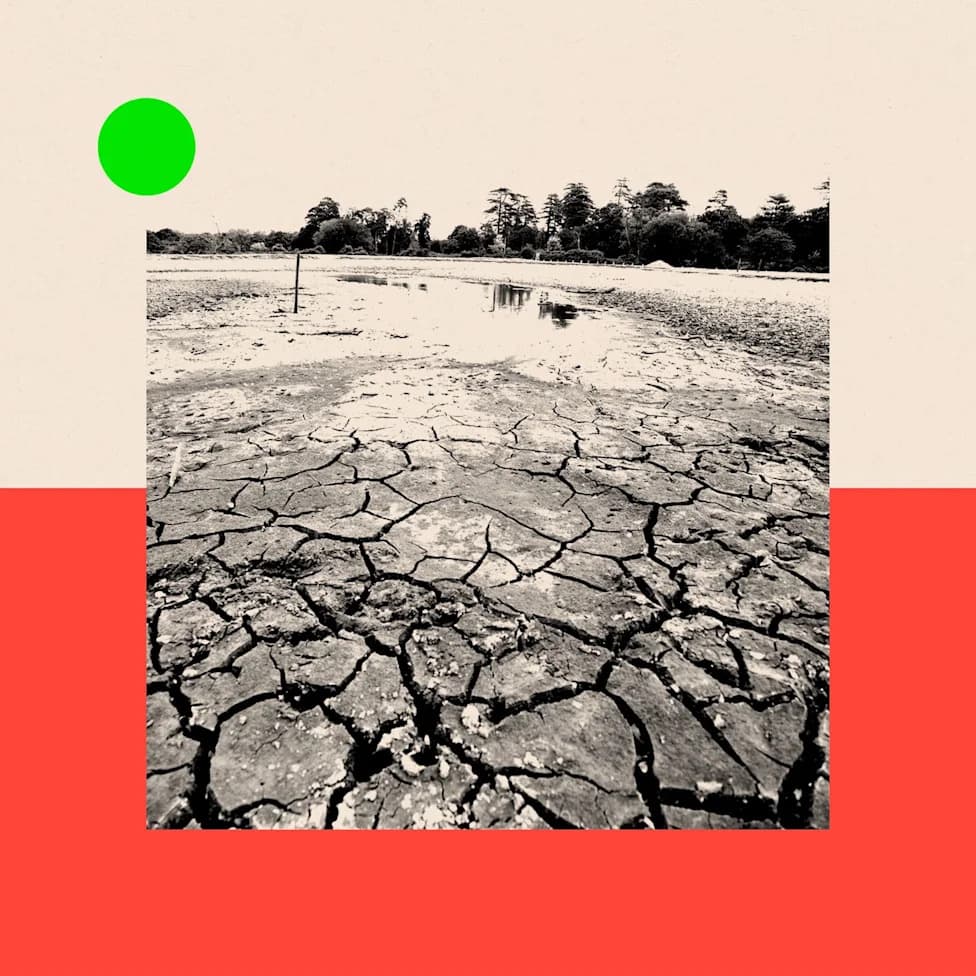
Turkish scientists are warning that a prolonged lack of rain has driven drought conditions in Central Türkiye to historic extremes, forcing officials to impose stricter water controls and prompting urgent conservation measures.
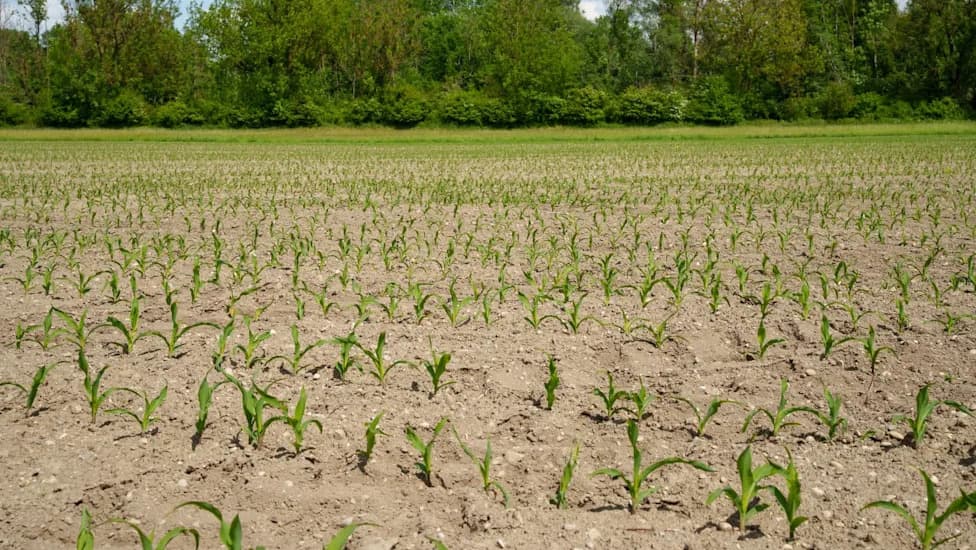
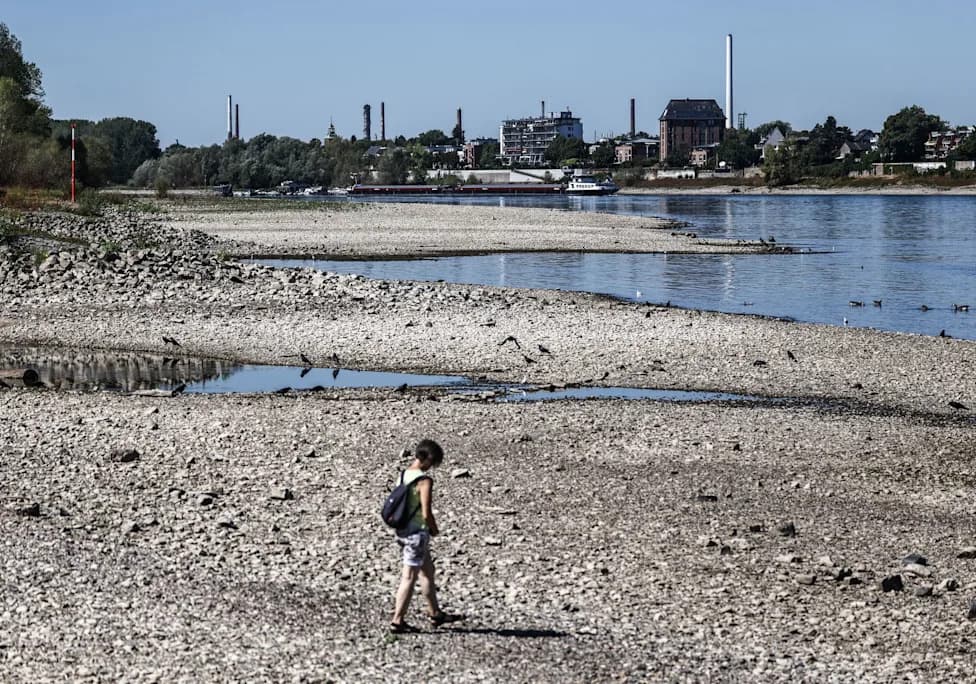
According to Daily Sabah, the city of Kırşehir recorded its lowest rainfall in 65 years, and 2025 so far marks the worst point in a multi-year decline. The sharp drop in precipitation, combined with rising temperatures, has severely strained both surface and groundwater sources, with clear impacts on agriculture and local communities.
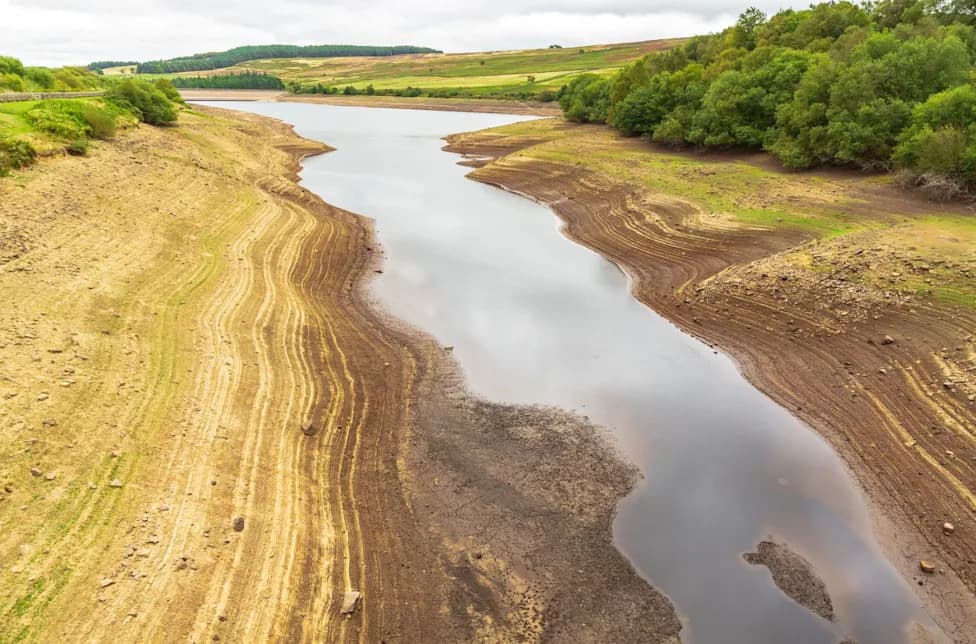
"This combination of low precipitation and higher temperatures has directly affected water reserves," said Professor Sultan Kıymaz of the Department of Biosystems Engineering at KAEÜ's Faculty of Agriculture. "Ponds, reservoirs, and other surface water sources have declined significantly, and some have dried up completely. Groundwater levels have also dropped to critical levels."
The crisis in Central Türkiye reflects a broader global pattern tied to human-driven climate change: warmer conditions can lengthen dry spells and change how and when precipitation falls. When rain does return, it often arrives in intense bursts that parched soils cannot absorb, producing floods and erosion instead of replenishing reservoirs.
Consequences are wide-ranging: crop and livestock losses, heightened wildfire risk, and stricter household and industrial water restrictions. Officials elsewhere in the region have issued dire warnings — for example, parts of Iran faced the possibility of severe urban impacts from persistent drought — while the American West and parts of Spain continue to experience related extremes (low mountain snowpack and intense atmospheric-river storms, respectively).
Actions and Recommendations
Turkish authorities have launched a nationwide water-efficiency mobilization and are urging residents and businesses to reduce consumption. Professor Kıymaz emphasized that while policy measures are essential, individual and sectoral action is also needed: agriculture accounts for roughly 77% of water use in Türkiye, so changes in farming practices will be crucial.
"Our ministry has launched a nationwide water efficiency mobilization, which is an important step. However, individuals also have a role to play. Water must be used consciously," Professor Kıymaz said.
Associate Professor Ramazan Ayrancı of KAEÜ's Department of Field Crops recommended immediate and practical steps to reduce agricultural demand: rotate crops, leave fields fallow in the driest seasons, prioritize low-water crops, and adopt drought-tolerant cereal varieties to maintain yields under stress.
What to expect next: Authorities are monitoring groundwater and reservoir levels closely and may expand restrictions if dry conditions persist. Long-term resilience will require improved water management, agricultural adaptation, and investment in storage and efficiency.
Help us improve.