The authors — Representatives Mike Ezell and Ed Case — make the case for the bipartisan MARA Act to responsibly expand open-ocean aquaculture in U.S. federal waters. The bill would create an assessment program, streamline permitting with clear timelines and consolidated environmental reviews, and fund workforce training and waterfront investments. Expanding aquaculture could reduce seafood imports, create jobs across the supply chain, and boost demand for American-grown crops used in sustainable fish feed.
Unlocking Aquaculture’s Potential: How the MARA Act Can Grow U.S. Seafood, Jobs and Food Security
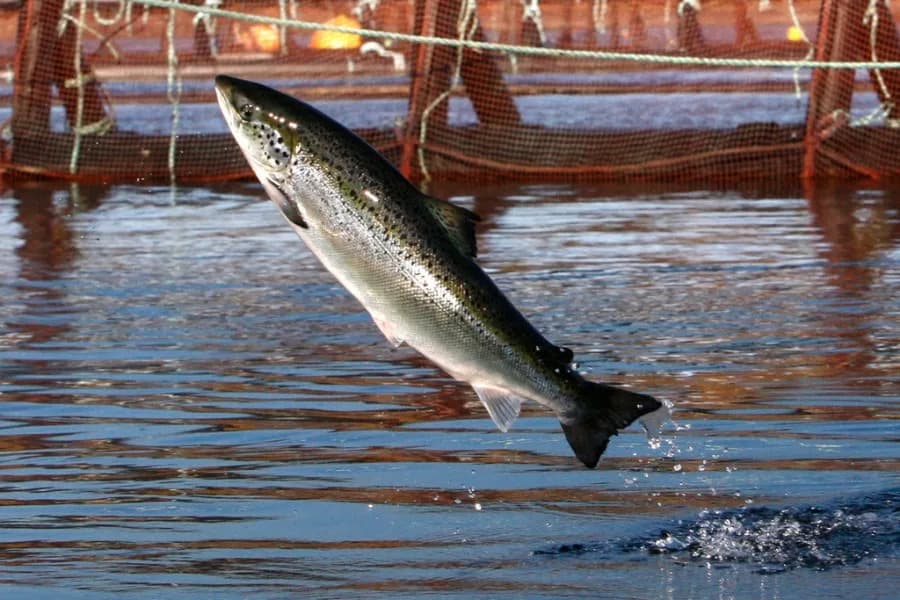
One of us was raised on Mississippi’s Gulf Coast and the other on the shores of Hawaii thousands of miles away, yet we share a clear understanding of how vital America’s seafood industry is to the nation’s economy.
From active working waterfronts along our coasts to feed manufacturers in the Heartland and distributors across the country, America’s seafood sector supports 1.6 million jobs and contributes billions of dollars annually. Yet the United States still imports as much as 85 percent of its seafood — roughly half coming from overseas fish farms — rather than producing more sustainably at home, even though we have the resources, technology and a skilled workforce to boost domestic production.
Why Open-Ocean Aquaculture?
Open-ocean aquaculture — the cultivation of fish and other aquatic species in offshore waters — is designed to complement, not replace, wild fisheries. U.S. commercial fishermen largely harvest up to the sustainable limit of wild stocks, so responsibly expanding aquaculture can increase the supply of American-raised seafood to families while creating new jobs for coastal and inland communities.
Backed by many environmental and conservation organizations, offshore aquaculture is increasingly recognized as one of the most sustainable ways to produce protein. Modern farms use the latest science and technologies — including artificial intelligence and machine learning — to monitor fish health, minimize environmental impacts and protect ocean ecosystems.
Regulatory Barriers and the Need for Reform
Despite strong potential, the U.S. ranks only 18th in global seafood production, trailing countries such as China, India and Indonesia. A primary obstacle is the lack of a clear regulatory pathway for aquaculture in federal waters. Entrepreneurs seeking to establish offshore farms must now navigate duplicative, costly reviews and unpredictable permitting across multiple federal agencies, deterring investment and slowing industry growth.
What the MARA Act Does
The bipartisan Marine Aquaculture Research for America (MARA) Act creates a practical, science-based path to expand open-ocean aquaculture in U.S. federal waters while maintaining strong environmental safeguards. Key provisions include:
- Assessment Program to evaluate commercial-scale demonstration projects.
- Clear Timelines and Consolidated Reviews to reduce duplicative permitting and provide regulatory certainty with a consolidated environmental review process.
- Support for Working Waterfronts including incentives and investment to modernize port infrastructure and revitalize coastal communities.
- Workforce Training Grants to prepare the next generation of aquaculture professionals.
Broader Economic and Agricultural Benefits
Expanding American aquaculture will create jobs and business opportunities across the seafood supply chain — from hatcheries, equipment makers and feed suppliers to processors and retailers. It will also increase demand for high-quality, American-grown crops used in sustainable, plant-based fish feeds, such as soybeans, corn, peas, wheat, barley, rice, canola and flaxseed, opening new markets for U.S. farmers.
In short: Passing the MARA Act can help reduce reliance on imports, strengthen food security, and deliver economic benefits for fishermen, farmers, manufacturers and coastal communities.
We urge our colleagues in the House and Senate to support this bipartisan bill — a common-sense step toward a stronger, more resilient American seafood industry that benefits workers, entrepreneurs, families and the environment.
Mike Ezell represents Mississippi’s 4th District and is vice chair of the Natural Resources Subcommittee on Water, Wildlife and Fisheries.
Ed Case represents Hawaii’s 1st District.
Copyright 2026 Nexstar Media, Inc. All rights reserved.
Help us improve.