Researchers led by Grant Harley analyzed well-preserved bald cypress remains from a submerged forest off Alabama and reconstructed a 489-year tree-ring chronology dating to around 75,000 years ago. The record shows a sudden, large-scale tree die-off more consistent with intense storms or abrupt freshwater pulses than with slow sea-level rise. Co-authors suggest freshwater fluxes from Heinrich events may have triggered the storminess; the findings help refine climate models and highlight risks to modern coastlines as ice melt accelerates.
Ancient Submerged Cypress Forest Reveals Sudden Die-Off — A Warning for Modern Coasts
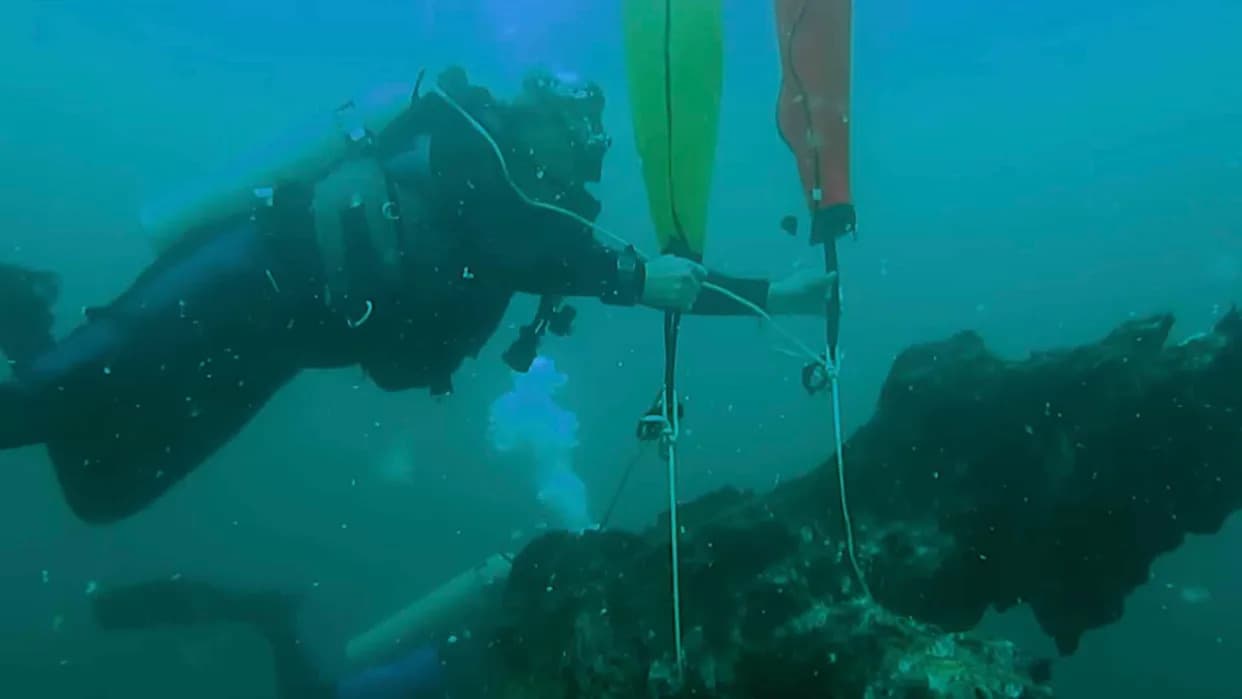
Photo Credit: YouTube
A team of scientists investigating a submerged bald cypress forest off the coast of Alabama in the northern Gulf of Mexico has uncovered a detailed record of past environmental change and a sudden, large-scale tree die-off that offers lessons for today's warming world.
Study And Methods
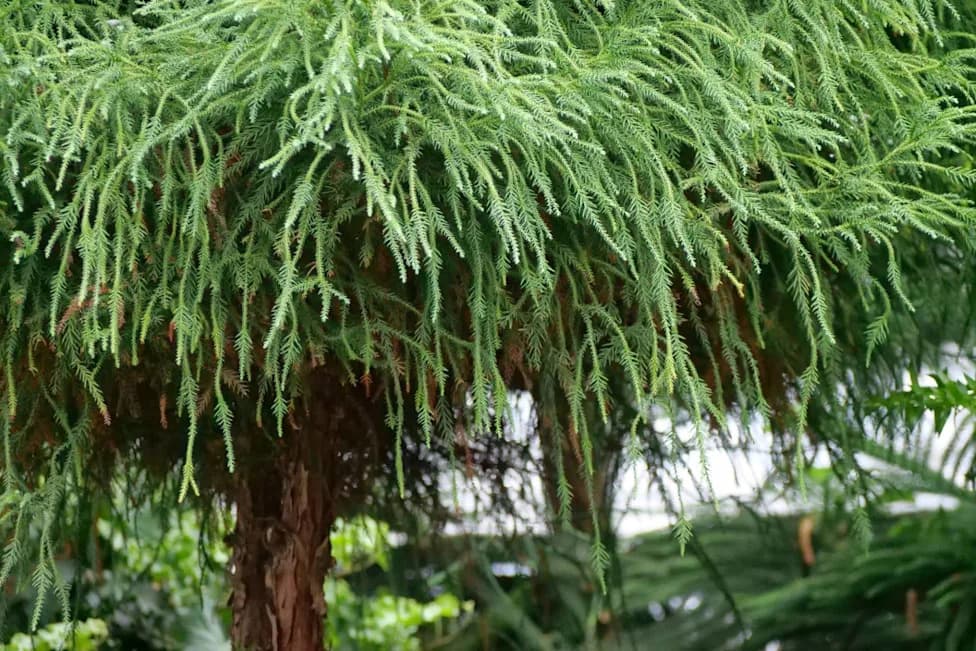
Published in February 2025 in the journal Climate and Atmospheric Science, the study was led by Grant Harley, an associate professor of geography at the University of Idaho. Researchers analyzed exceptionally well-preserved bald cypress remains and used tree rings to build a 489-year chronology that captures year-to-year environmental variability during a period around 75,000 years ago.
Key Findings
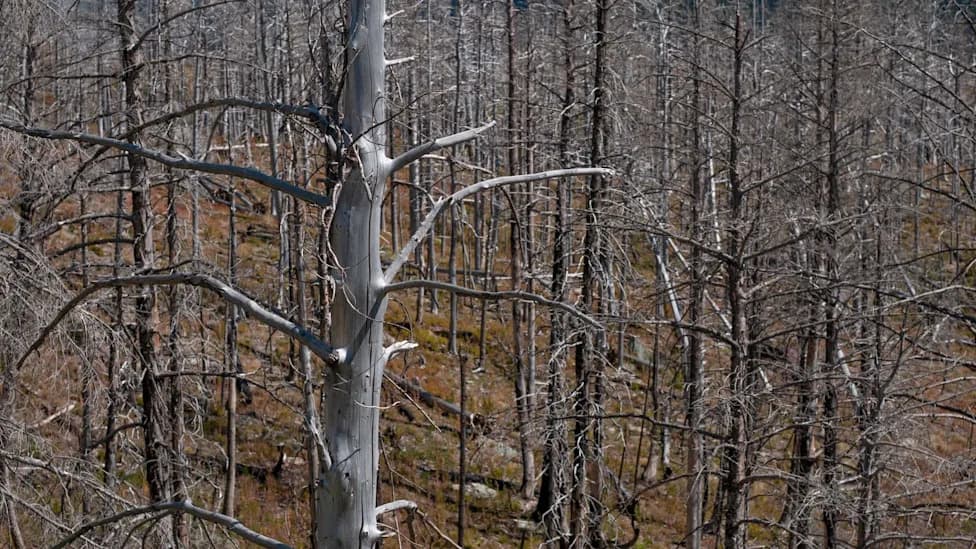
The tree-ring record shows that many trees died abruptly during a relatively brief interval, inconsistent with slow, gradual sea-level rise. Instead, the evidence points to a rapid, high-impact event or series of events that caused widespread mortality across the stand.
Possible Causes
Co-authors highlight freshwater fluxes associated with Heinrich events as a plausible trigger. Heinrich events occur when large numbers of icebergs break off from ice sheets, introducing huge volumes of cold freshwater into the ocean. Such influxes can disrupt ocean circulation and atmospheric patterns, increasing the frequency and intensity of storms and producing abrupt changes in coastal environments.
"These findings allow us a rare glimpse into past climatic conditions and help us better understand the historical impact of climate change on coastal ecosystems," Harley said in a University of Idaho news release.
Modern Implications
As global temperatures continue to rise, accelerated ice-sheet melt could produce similar freshwater pulses that alter ocean circulation and boost storminess. The study suggests that rapid, storm-driven coastal impacts — including extreme flooding and shoreline erosion — are plausible outcomes if current trends continue.
Applications For Resilience And Modeling
Deep-time records such as this submerged cypress chronology provide valuable benchmarks for climate and sea-level models, helping scientists constrain how quickly systems can change and how coastal ecosystems respond. The authors note that natural defenses, such as mangroves and wetlands, and improved planning informed by paleo-records could help reduce future risks to coastal communities.
Further research is needed to refine the timing and regional extent of the die-off and to integrate these findings into detailed model projections of future coastal hazards.
Help us improve.