An archaeological team on the Danube plain uncovered a 213‑foot‑diameter Celtic princely mound and an exceptionally well‑preserved oak burial chamber dated to about 585 B.C. The timber chamber — complete with floor, walls and a double‑layer oak ceiling — survived in waterlogged, oxygen‑poor soil for roughly 2,600 years. Looters accessed the tomb through two robber tunnels and removed valuables, but bronze nails recovered in a tunnel suggest a richly furnished burial, likely including a four‑wheeled chariot. The recovered oak will be conserved for a future museum reconstruction.
Remarkably Intact 2,600‑Year‑Old Celtic Oak Burial Chamber Found — But Looters Beat Archaeologists

Archaeologists Find Ancient Celtic Burial ChamberStockGood - Getty Images
Archaeologists working on the Danube plain in southern Germany have uncovered a monumental Celtic burial mound and, beneath it, an exceptionally well‑preserved oak burial chamber dating to around 585 B.C.
Discovery
The tumulus measures roughly 213 feet (about 65 meters) in diameter and is thought to have once stood some 20 feet high — dimensions that classify it among the so‑called princely grave mounds used by the Early Celts to bury elite individuals. About 27 inches below the surface, the excavation team found a complete wooden chamber built from solid oak.
Chamber Architecture
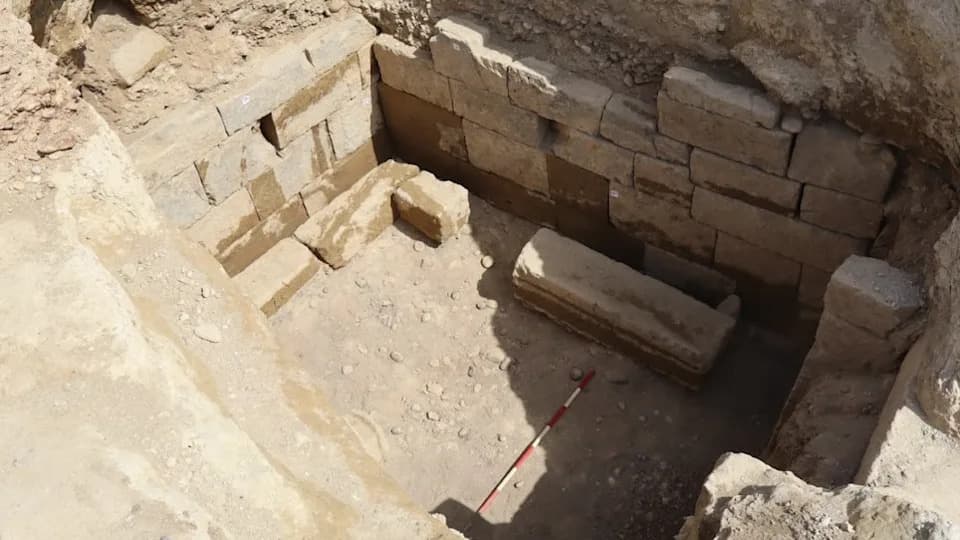
The timber room retains its floor, walls and roof. The floor consists of substantial planks laid on a north–south axis; the walls are formed from upright planks that interlock at the corners and are reinforced by corner posts. A central crossbeam and an upper wall beam once supported a heavy roof made of two layers of thick split oak planks, one layer laid at an angle above the other. The internal dimensions are roughly 11 by 13 feet, with wall heights of about three feet.
Looting and Recovered Evidence
Although the chamber is structurally intact, it was not untouched: archaeologists identified two robber tunnels that approach the southeast corner, where looters penetrated the roof through a small breach. No metal valuables were found inside the chamber itself, suggesting extensive earlier looting. However, numerous bronze decorative nails recovered in one of the robber tunnels indicate the chamber once contained richly furnished goods — specialists believe the nails probably belonged to a four‑wheeled chariot, a common feature of high‑status early Celtic burials.
Dating and Human Remains
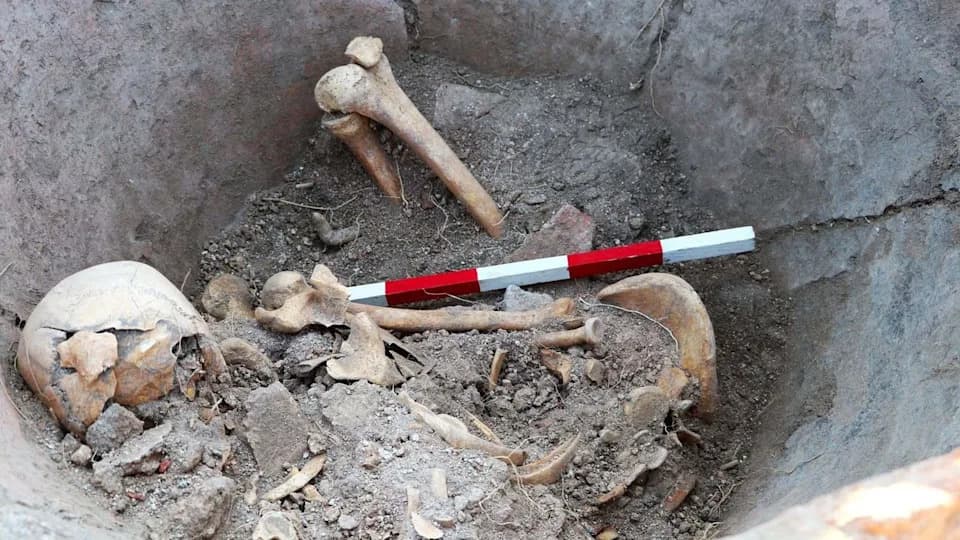
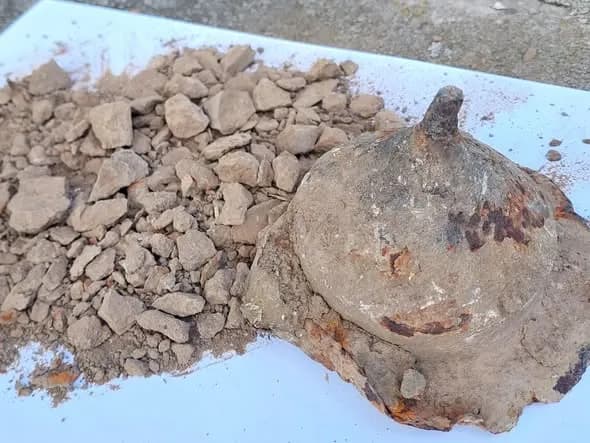
A club‑like wooden implement recovered from the chamber was radiocarbon‑dated to roughly 585 B.C., supporting the assessment that the tomb was constructed around that time. Human remains were also found: a well‑preserved skeleton of a young male (estimated 15–20 years old) inside the chamber, plus two additional graves nearer the mound’s surface. One of those contained a partially preserved male skeleton (about 25–35 years old) accompanied by two bronze garment clasps and a small rock crystal amulet, dated to around 500 B.C. A third burial contained cremated remains in pottery and dates to about 600 B.C.
“The Riedlingen grave is a stroke of luck for archaeology,”
said Dirk Krausse of the State Office for Monument Preservation at the Stuttgart Regional Council, in a translated statement.
Conservation and Significance
Because the soil at the site was waterlogged and oxygen poor, the oak timbers were preserved for approximately 2,600 years. Officials say all the recovered wood will be carefully salvaged, conserved and restored over the coming years so the chamber can eventually be reconstructed for museum display. Local authorities emphasize the find’s scientific importance — not only for Baden‑Württemberg but for studies of Early Celtic elite burial practices across Europe.
Officials quoted: Andrea Lindlorh, State Secretary in Baden‑Württemberg’s Ministry for Regional Development and Housing, highlighted the site as "an outstanding testimony to our rich monumental landscape." Claus Wolf, president of the Stuttgart Regional Council, confirmed plans for long‑term conservation and museum reconstruction.
Help us improve.