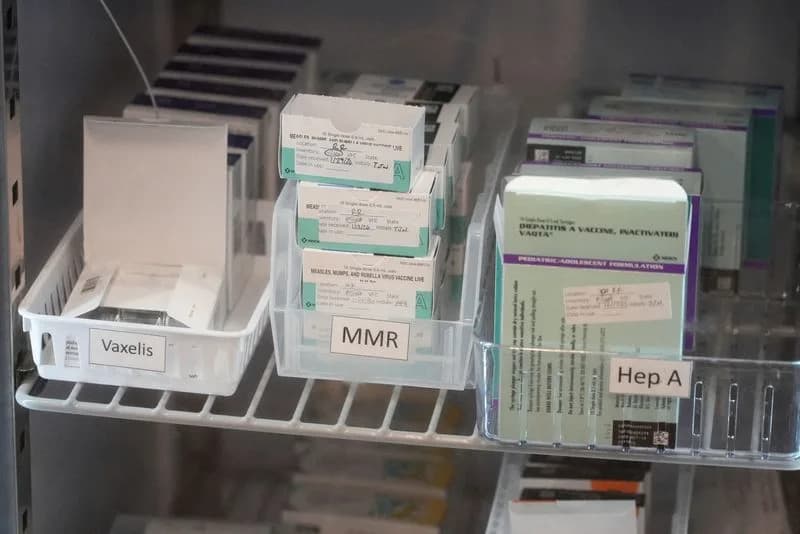
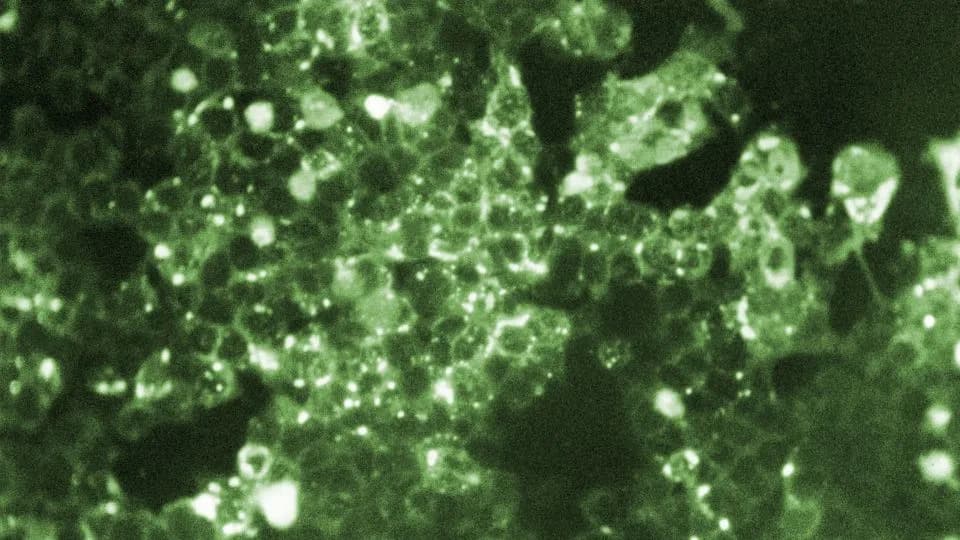
Polio remains a threat if vaccination rates fall. Itzhak Perlman and historian David Oshinsky recall the paralysis and fear before vaccines. The Salk vaccine (1954) and Sabin oral vaccine (1961) sharply reduced cases, but poliovirus still circulates globally. Experts warn that under-vaccinated communities are vulnerable to importations and outbreaks, so maintaining high vaccination coverage is essential.
How Safe Is the U.S. From Polio? Why Vaccination Still Matters
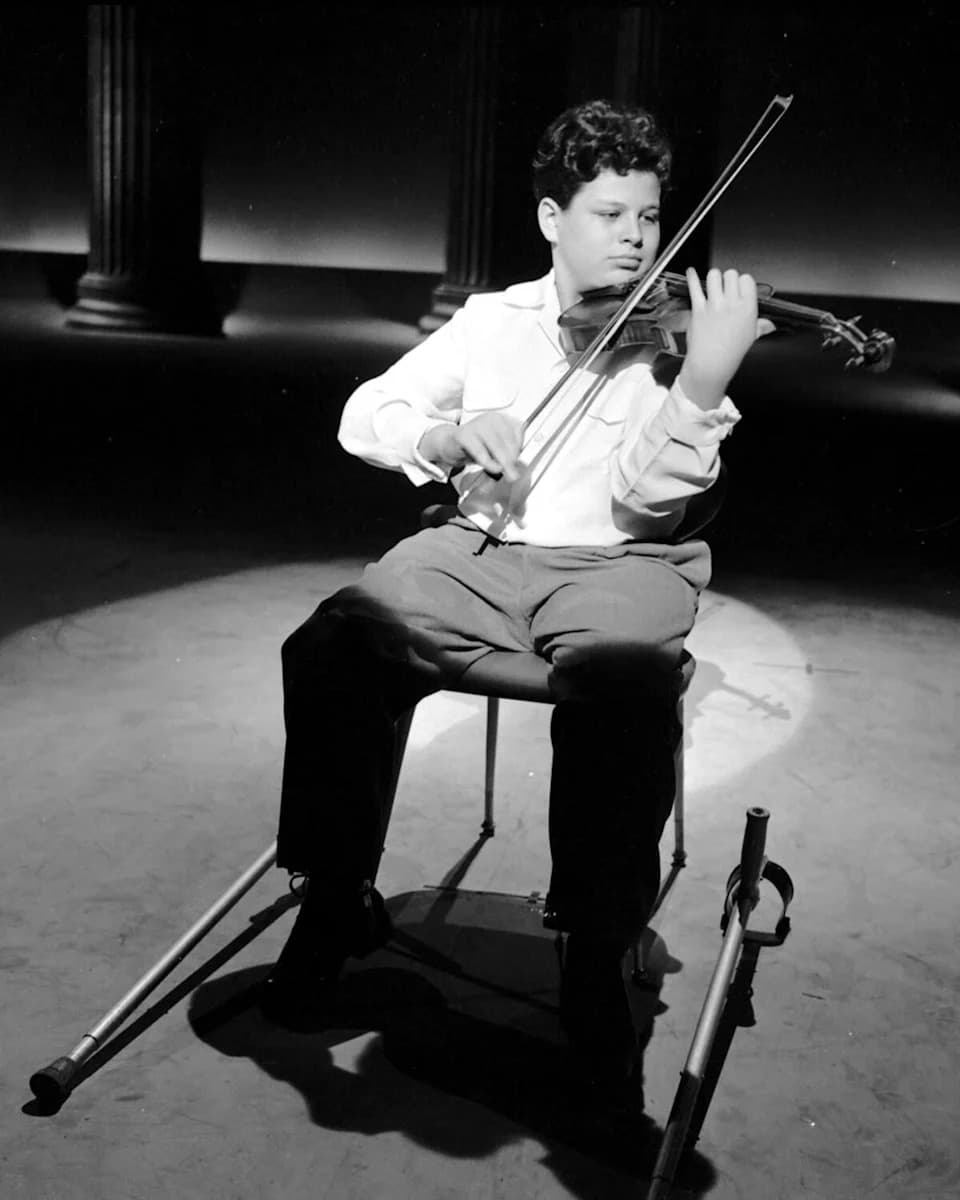
Young Itzhak Perlman performs on
When 13-year-old violinist Itzhak Perlman appeared on "The Ed Sullivan Show" in 1958, viewers saw his extraordinary talent but not the braces and crutches he used to walk. Perlman was four when he contracted poliomyelitis — a life-changing infection he later described as waking up one morning and suddenly being unable to stand.
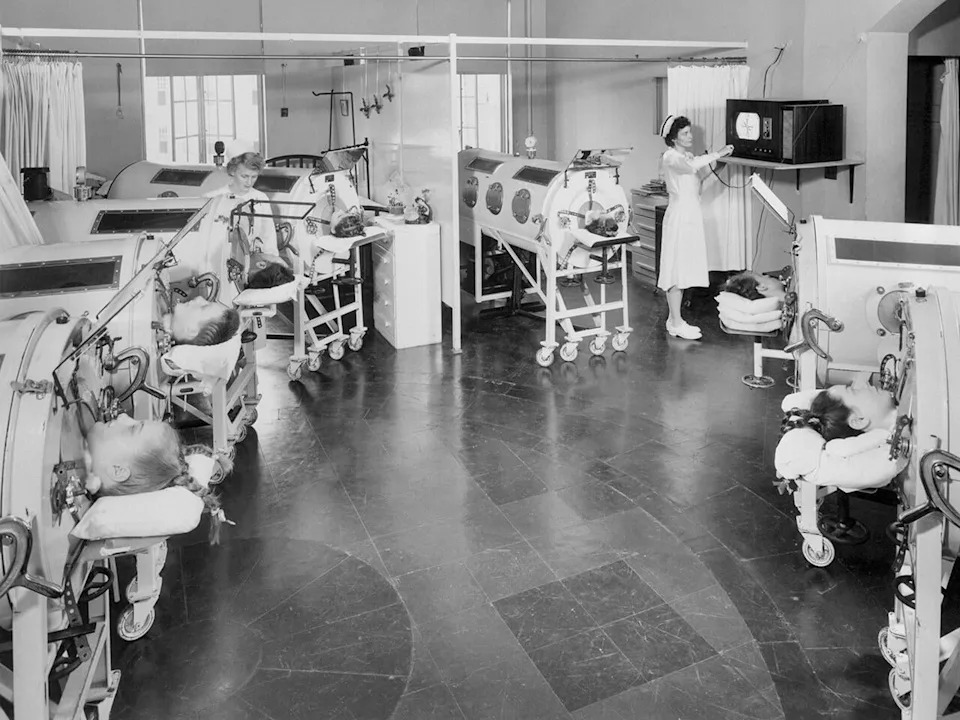
Mirrors allow young patients in iron lungs at Baltimore's Children's Hospital to watch television. / Credit: Bettmann Archive/Getty Images
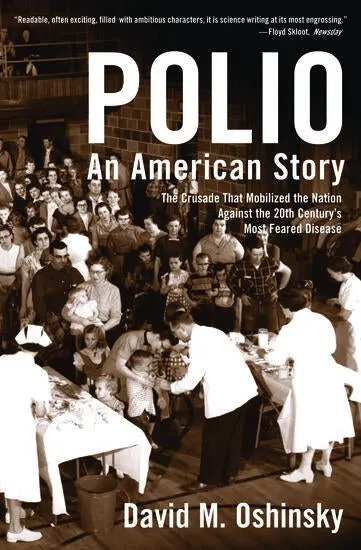
Before vaccines, polio could cause paralysis so severe children needed mechanical ventilators known as iron lungs. At the pandemic's height in the late 1940s and early 1950s, thousands of children relied on such machines. "There was no protection, and there was no cure," says David Oshinsky, historian and author of the Pulitzer Prize–winning Polio: An American Story. "You could not protect your child from polio."
/ Credit: Oxford University Press
How Polio Spreads and Why Vaccination Worked
Poliovirus spreads through contaminated water, food and close personal contact. There is no cure and no FDA-approved antiviral treatment. The major breakthrough came with vaccination: Dr. Jonas Salk's inactivated poliovirus vaccine (1954) — tested in a massive trial involving nearly two million children — proved safe and dramatically reduced paralytic cases. Dr. Albert Sabin's oral vaccine (1961), delivered as drops, further accelerated declines in the U.S. and worldwide.
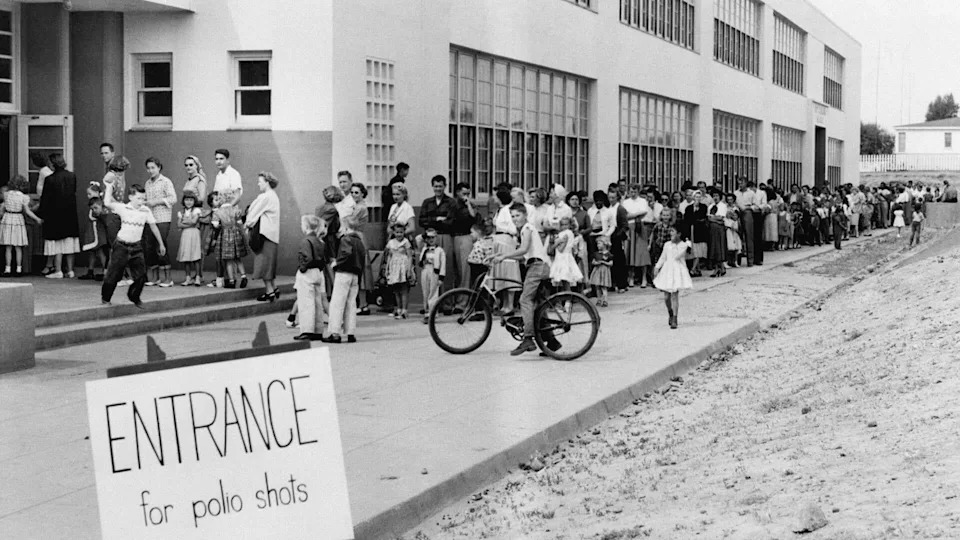
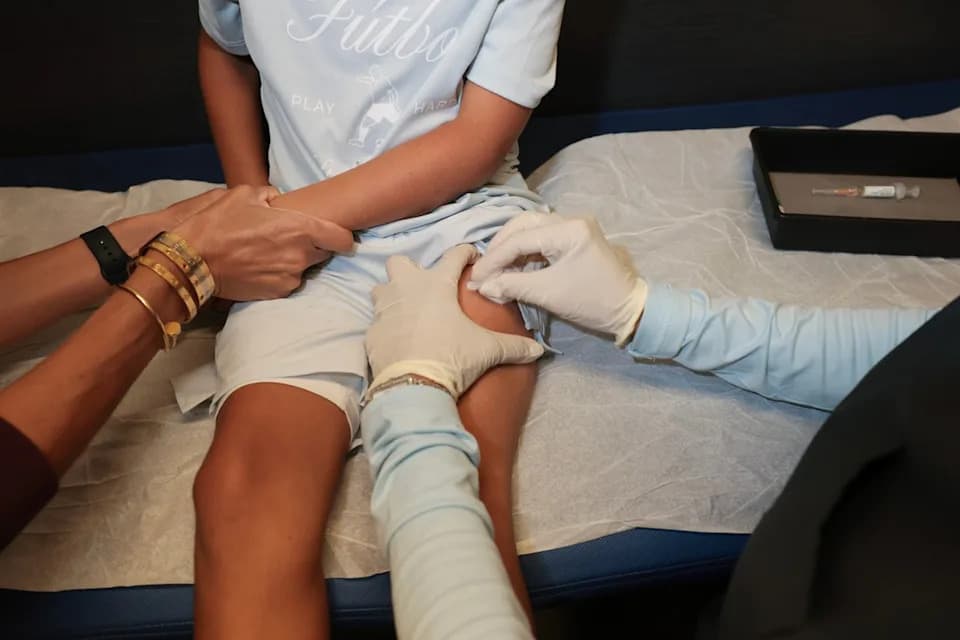
First and second graders at the Kit Carson School in San Diego line up for Salk Polio vaccine shots, April 16, 1955. / Credit: Bettmann Archive/Getty Images
"What ended that fear was vaccines," Oshinsky says. "Parents rushed to immunize their children."
Why Polio Could Return
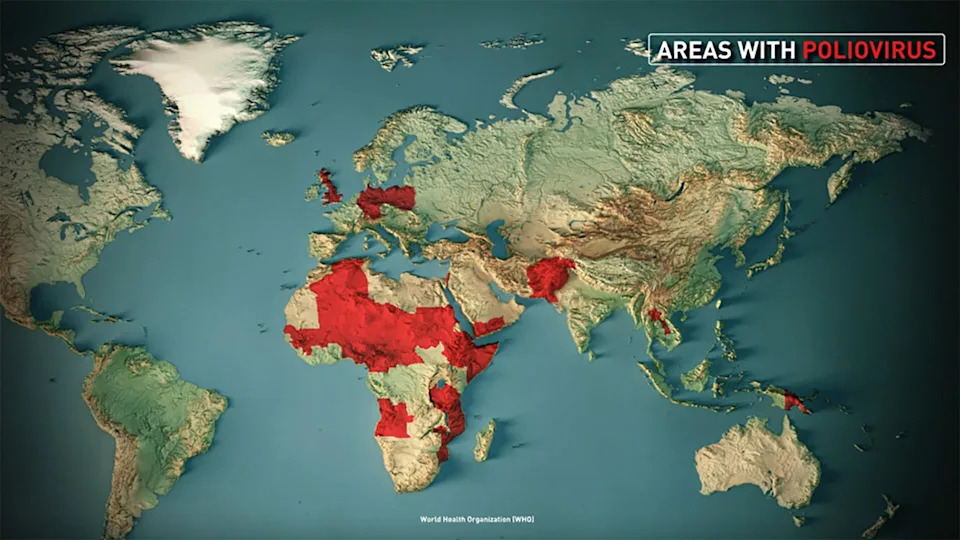
High vaccination coverage produces herd immunity, which interrupts transmission and protects people who cannot be vaccinated — including an estimated 20 million Americans with weakened immune systems. All 50 states require polio vaccination for school attendance. However, recent increases in nonmedical exemptions and pockets of low coverage raise the risk that an imported case could spark local spread.
/ Credit: CBS News/WHO
"If that virus comes to the United States and we have a significant percentage of the population unvaccinated, polio is going to come back. It is only a plane ride away," Oshinsky warns. The risk is not hypothetical: several years ago an international traveler introduced poliovirus into an under-vaccinated community in New York State, and an unvaccinated 20-year-old became paralyzed.

Violinist Itzhak Perlman leaves the stage at Carnegie Hall, following a tribute to the slain Israeli Prime Minister Yitzhak Rabin, Nov. 7, 1995. / Credit: Jon Naso/N.Y. Daily News Archive via Getty Images
Debate Over Ongoing Vaccination Policy
Some public health advisers have suggested reevaluating routine polio vaccination in settings with very low risk. Dr. Kirk Milhoan, who leads the CDC's advisory committee on immunization practices, recently said sanitation and disease risk profiles have changed and that policy could be reconsidered. Experts caution that changing policy now — while the virus still circulates globally and vaccination coverage is uneven — could put children at risk.
Oshinsky offers a stark reminder: parents today may not feel the threat because they have never witnessed polio's devastation. For people like Perlman, who lived with paralysis from childhood, the message is personal: "For 70 years, we have been doing very, very well and almost eradicating polio. Why take a chance? Don't take a chance. Believe me, it's not worth it."
What You Can Do
Keep vaccinations up to date, follow public health guidance when traveling to areas where polio still circulates, and support high community vaccination coverage to protect those who are most vulnerable.
Sources: Interviews and reporting; David Oshinsky, Polio: An American Story; CDC and WHO polio guidance.
Help us improve.