The IRGC Navy announced it test-fired the Sayyad 3‑G, a ship-launched variant of the Sayyad‑3 air‑defense missile, during drills in the Strait of Hormuz. Iranian reports place the missile’s range at about 150 km and say it can be fired from ship-based vertical launch systems and integrate with onboard radars while maintaining independent tracking. The test comes amid an expanded U.S. naval and air presence in the region, even as Iranian and U.S. negotiators prepare to meet again in Geneva.
Iran Says It Test-Fired New Sayyad 3‑G Naval Air-Defense Missile During Strait Of Hormuz Drills
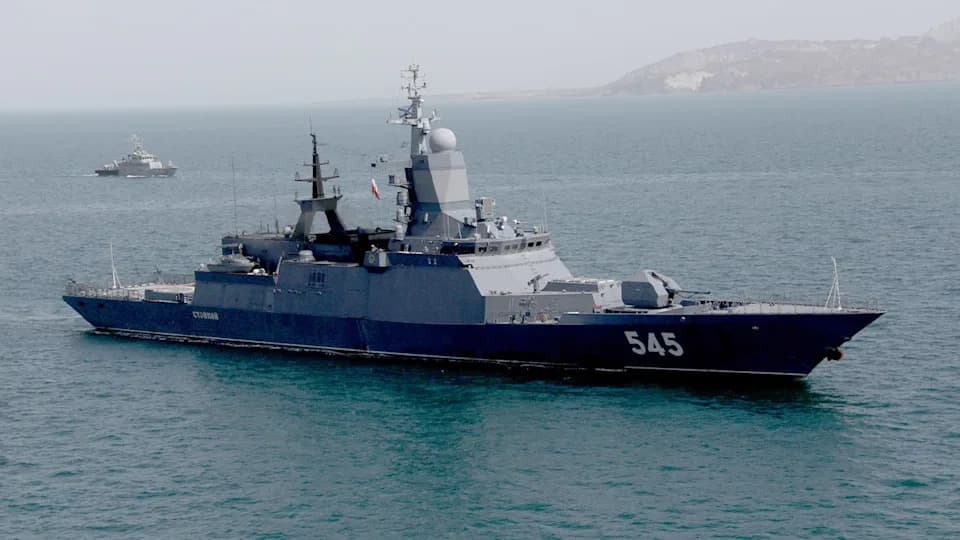
Naval units from Iran and Russia simulate the rescue of a hijacked vessel during joint drills at the Port of Bandar Abbas in Hormozgan, Iran, on Feb. 19, 2026.(Getty Images)
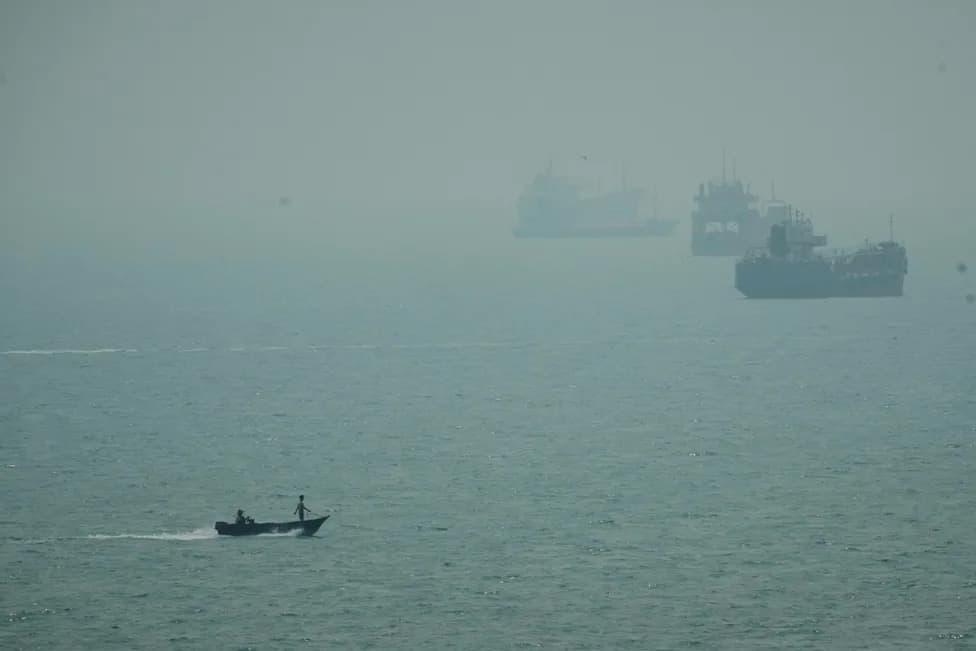
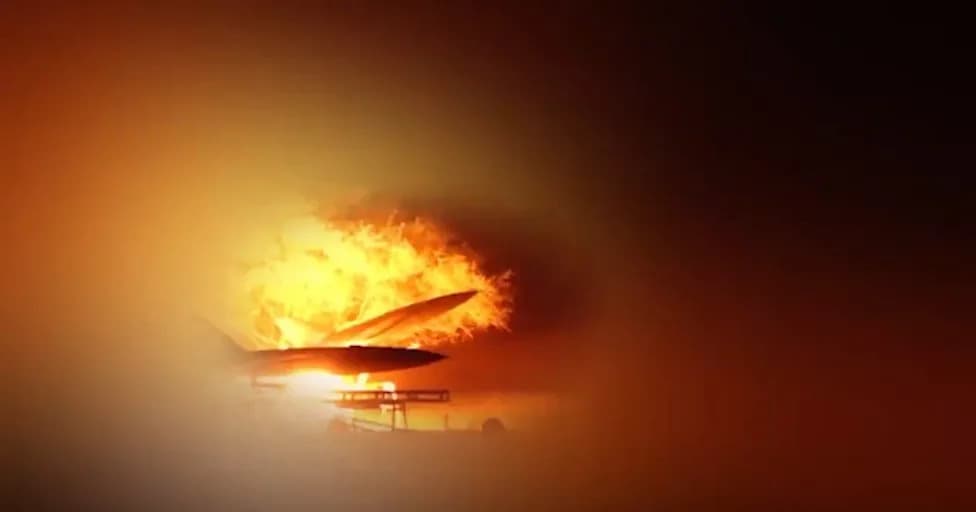
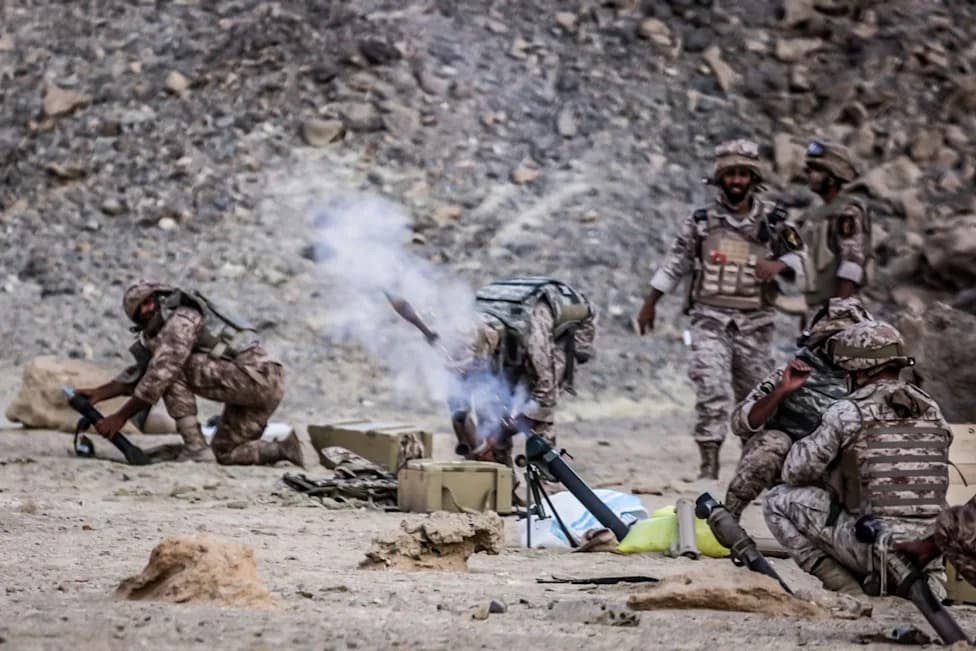
Iran’s Islamic Revolutionary Guard Corps (IRGC) Navy announced it test-fired a newly adapted ship-launched air‑defense missile, the Sayyad 3‑G, during exercises in the Strait of Hormuz, state-linked media reported.
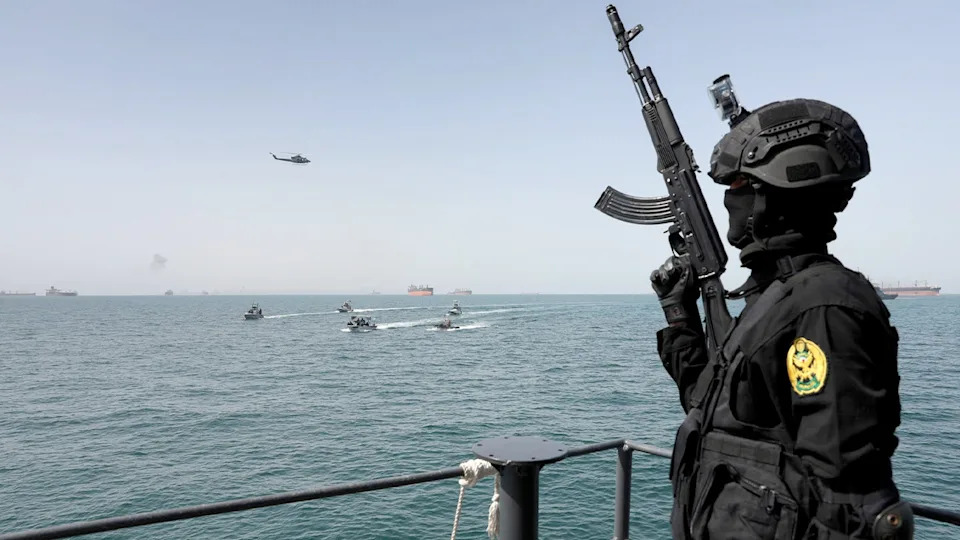
Naval units from Iran and Russia simulate the rescue of a hijacked vessel during joint drills at the Port of Bandar Abbas in Hormozgan, Iran, on Feb. 19, 2026.
Missile Details
The IRGC said the Sayyad 3‑G is a maritime version of the land-based Sayyad‑3 system. Iranian outlets reported an estimated range of about 150 kilometres (roughly 93 miles) and said the missile can be launched from ship-based vertical launch systems. Officials described the weapon as intended to engage military aircraft, maritime patrol planes and high-altitude unmanned aerial vehicles.
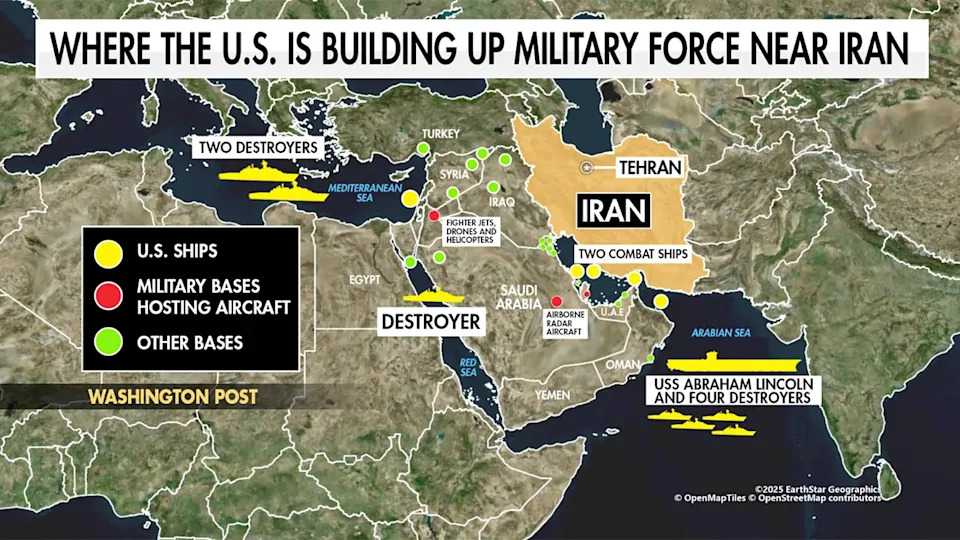
A graphic illustrates where the U.S. is building up military force near Iran, including the positions of the USS Abraham Lincoln, multiple destroyers, and various military bases as of Sunday, Feb. 22, 2026.
State media added that the Sayyad 3‑G can integrate with a vessel’s onboard radar and command-and-control network while retaining independent tracking capability, allowing both networked and autonomous engagement modes.
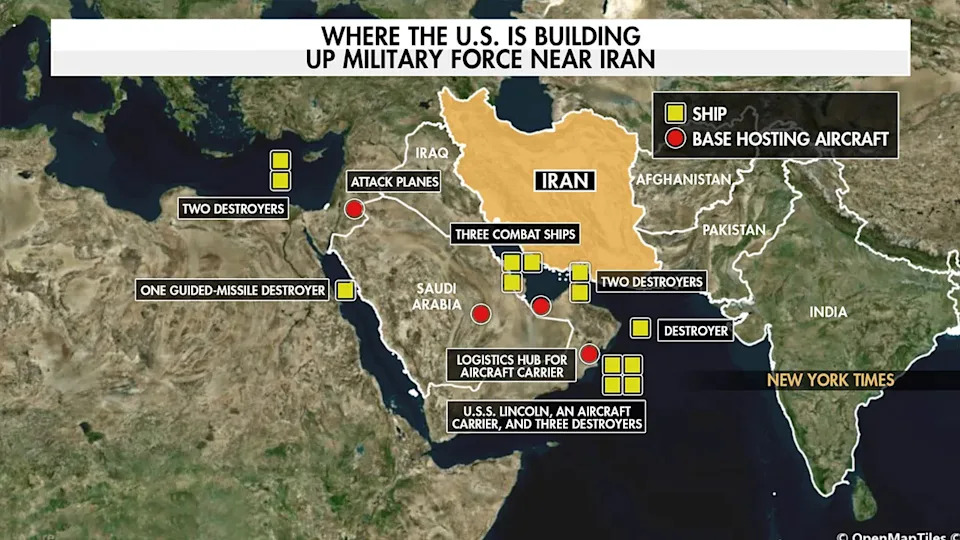
Map shows where the U.S. is building up military forces near Iran.
Regional Context
The announcement comes amid heightened tensions in the Gulf and a continued U.S. military buildup in the region. Washington has concentrated naval and air assets across the eastern Mediterranean, Red Sea, Arabian Sea and the Persian Gulf, including the aircraft carrier USS Abraham Lincoln and multiple guided-missile destroyers, according to U.S. and regional reports. Several combatant ships are also reported to be operating in the Persian Gulf near Iran’s southern coast, and at least one regional base in Saudi Arabia has been shown hosting aircraft supporting operations and logistics.
“There is no need for any military buildup, and military buildup cannot help it and cannot pressurize us,” Iranian Foreign Minister Abbas Araghchi said in a Sunday interview on CBS News’ Face the Nation, dismissing the effect of the U.S. force deployment.
Araghchi confirmed that Iranian and U.S. negotiators are expected to meet again in Geneva and said it is possible to prepare a draft text and reach an agreement quickly, adding that the talks are focused solely on nuclear issues.
What This Means
The test highlights Tehran’s ongoing efforts to enhance maritime air defense capabilities while diplomacy and strategic signaling continue in parallel: Iran is demonstrating new defensive systems even as it pursues negotiated nuclear talks with global powers and the United States maintains a stronger regional military posture.
Help us improve.