Iranian state media says an upgraded ballistic missile reflects a new doctrine of preemptive action, with Mohsen Rezaei claiming the weapon was tested against a U.S. warship. U.S. officials reported missile launches at American warships and said they struck three Iranian tankers in response, calling the launches a dangerous escalation. The missile identified as the Qassem Basir is described as solid-fueled with greater range and a half-ton warhead; concerns about Iran's missile program helped trigger earlier strikes by the U.S. and Israel. Disruption in the Strait of Hormuz has sharply reduced commercial transits and raised alarm across Gulf states.
Iran Says Upgraded Ballistic Missile Enables Preemptive Strikes, Escalating Gulf Tensions
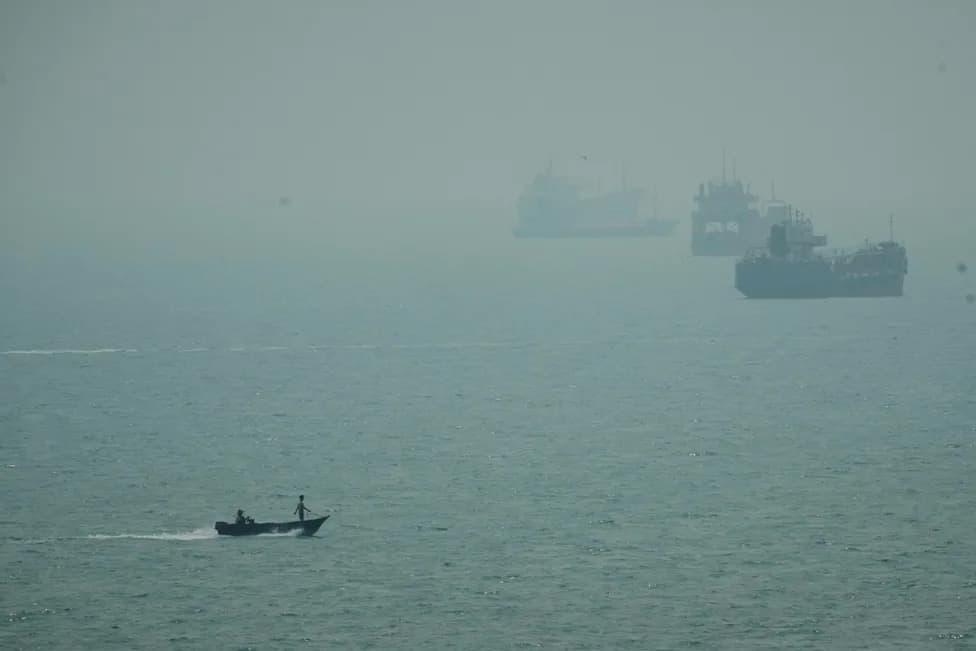
A motorboat travels past commercial vessels anchored amid haze in the Strait of Hormuz off Bandar Abbas, Iran, Monday, Sept. 7, 2026. (AP Photo/Vahid Salemi)
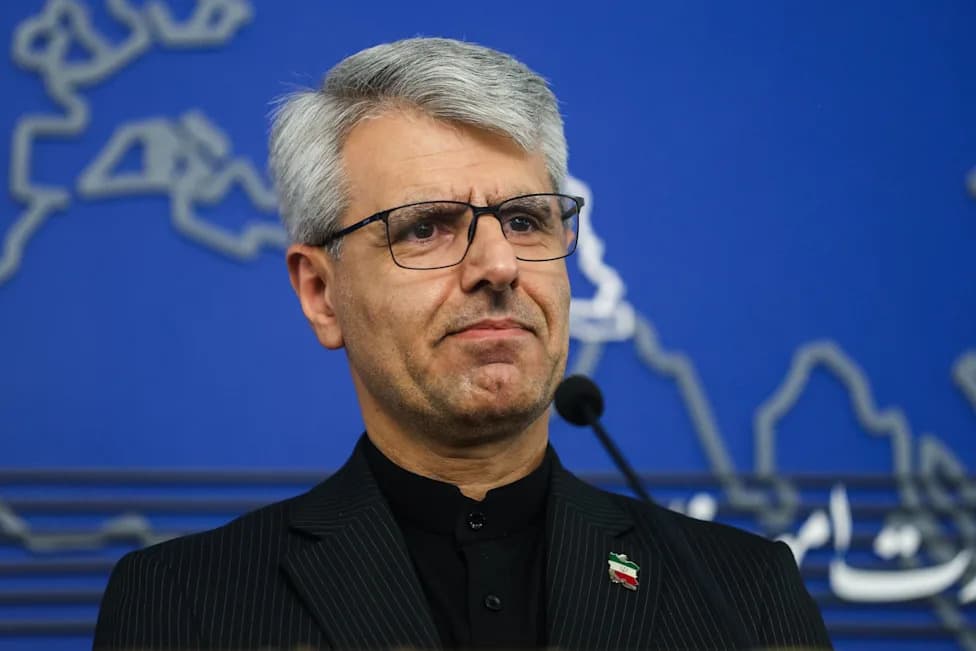
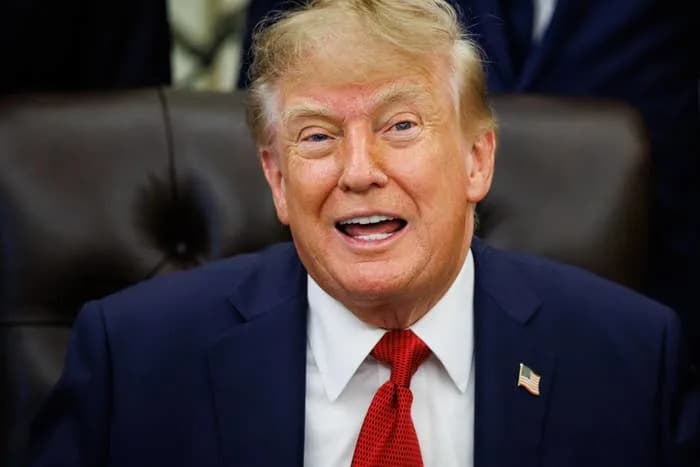
Iran's state media on Monday said a newly highlighted ballistic missile with improved capabilities reflects a shift in Tehran's military doctrine: the country "will take action against any threat, even before it is carried out," according to coverage of remarks by Mohsen Rezaei, head of Iran's Supreme National Security Council.
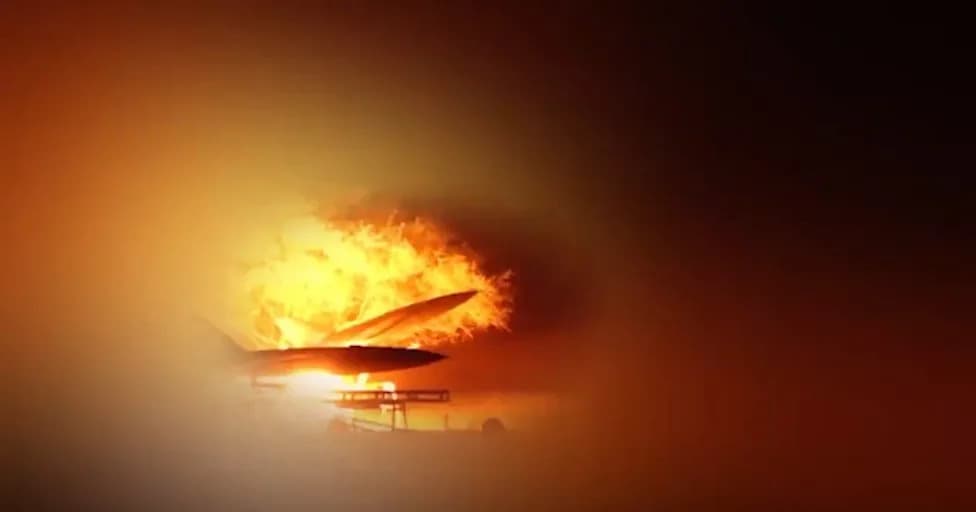
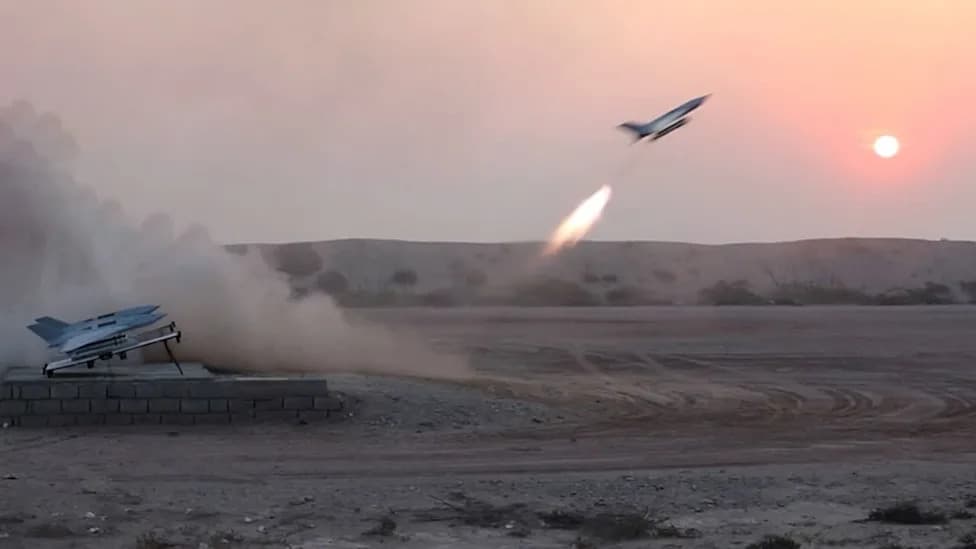
The state television report quoted Rezaei as saying the weapon had been "tested" against a U.S. warship. It did not make clear whether the test involved the solid-fueled missile identified in the coverage as the Qassem Basir, which Tehran has previously described as having greater range and accuracy and a roughly half-ton warhead.
U.S. Response and Regional Escalation
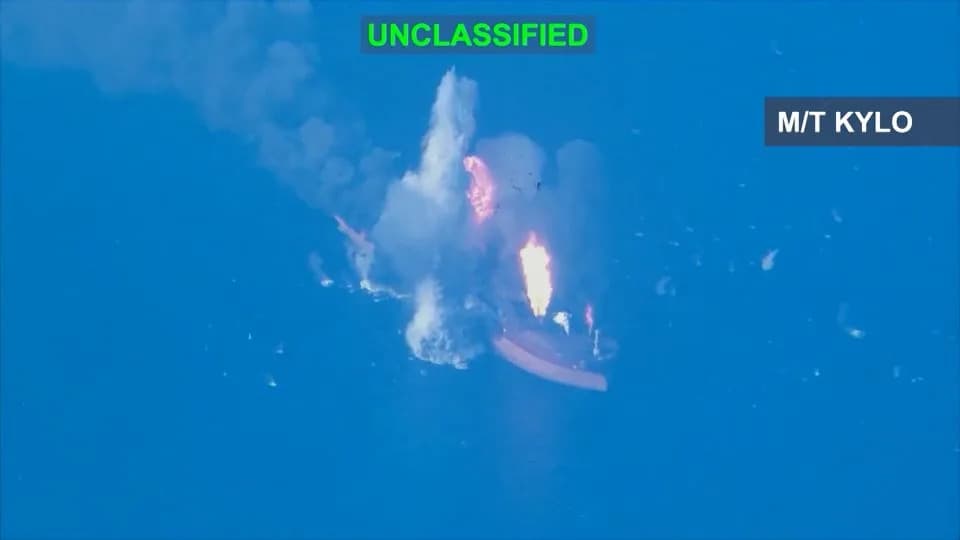
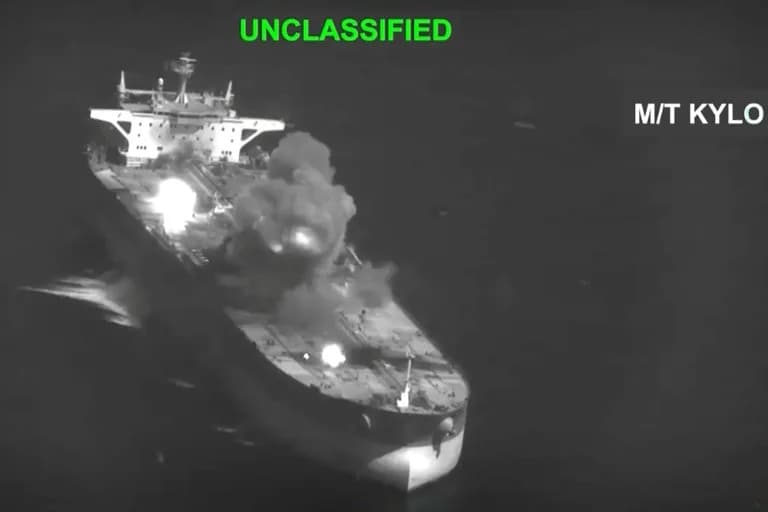
U.S. officials said ballistic missiles were launched at American warships over the weekend. In response, U.S. forces struck three Iranian oil tankers. Experts called the missile launches a dangerous escalation: for months, Iran's maritime attacks had mostly targeted commercial shipping, but the recent strikes involved direct targeting of military vessels, which the U.S. said evaded the attacks.
Strategic Claims and Shipping Disruption
State media described the Qassem Basir as a "turning point in Iran's defense strategy." The missile was unveiled last year and was previously said to have at least a 1,200-kilometer (745-mile) range. Concerns about Iran's ballistic program were among the reasons cited by the U.S. and Israel for striking Iran earlier this year, actions that helped precipitate the broader conflict.
Rezaei also announced plans for an "exclusion zone" near the Strait of Hormuz aimed at controlling vessel transits. The White House rejected that claim, saying the waterway remains open and that U.S. forces have cleared mines and are escorting ships. Washington said it expects tanker traffic bound for non-Iranian ports to increase while it continues measures to limit Iran's oil exports; the U.S. military reported that, as of Monday, 94 commercial vessels had been redirected and three disabled.
Regional Reaction
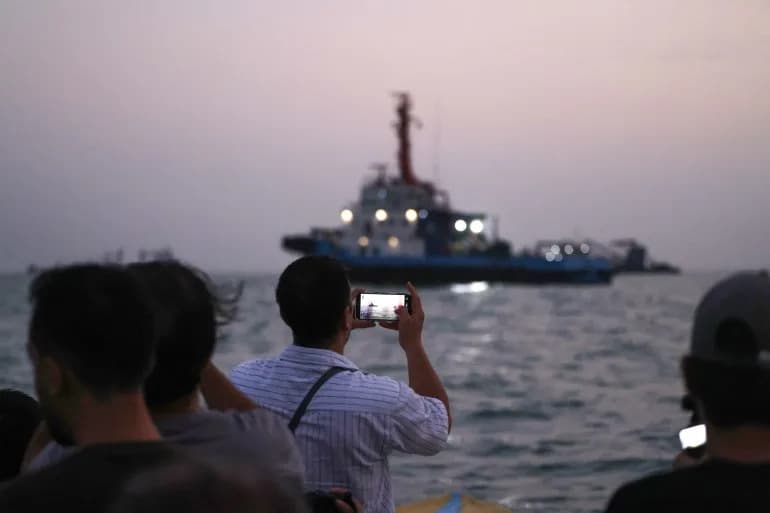
Tehran has pushed for ships to follow routes it designates through the strait — long treated as an international waterway — and Rezaei acknowledged the U.S. is escorting a limited number of vessels along a route off Oman. He said Iran has refrained from sinking those tankers because they carry oil, citing environmental concerns.
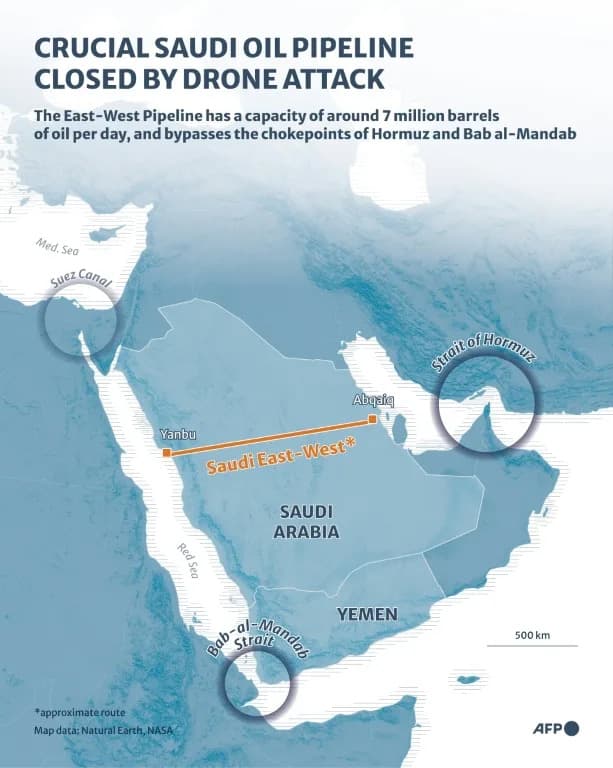
Commercial transits through the Strait of Hormuz fell sharply last week, data firm Kpler reported, reflecting growing uncertainty over navigation in a corridor vital to global supplies of oil, natural gas and related products such as fertilizer.
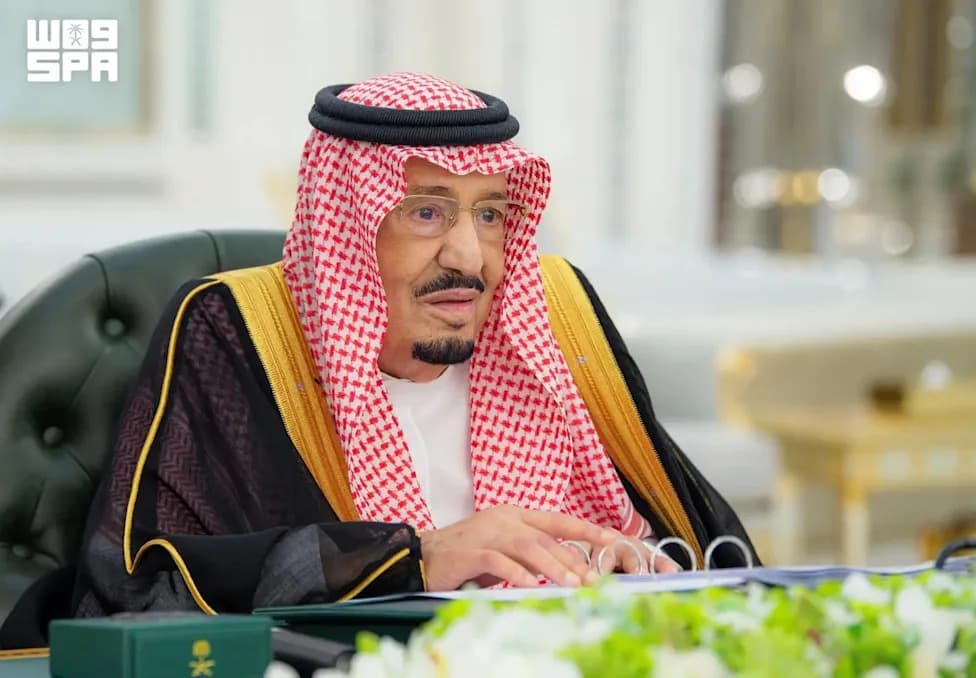
Last week’s attack on a Saudi-owned tanker killed two crew members and left seven unaccounted for; if confirmed dead, that would be the deadliest attack on a commercial vessel since the conflict began on Feb. 28. Gulf leaders voiced mounting frustration: Anwar Gargash, a diplomatic adviser to the UAE president, said "no single state" should control the strait and warned that energy exports and trade must not be held hostage. Nabil Fahmy, secretary-general of the Arab League, condemned attacks on Gulf maritime corridors and urged protection of regional commerce.
As tensions persist, officials warn that rebuilding trust between Iran and Gulf states could take years or even decades.
Byline: Anna reported from Jerusalem. Associated Press writers Josh Boak in Washington and Fatma Khaled in Cairo contributed.
Help us improve.