Justice Brett Kavanaugh dissented from the Supreme Court’s 6-3 ruling that struck down former President Trump’s emergency tariffs under IEEPA, calling the majority’s distinction between tariffs and other import controls "illogical." He argued tariffs are similar to quotas and embargoes and therefore within the statute’s grant of power to "regulate importation." Kavanaugh warned the ruling could require billions in refunds and trigger extensive litigation, and he detailed alternative statutory options the executive might pursue. Chief Justice John Roberts authored the majority opinion, invoking the major questions doctrine.
Kavanaugh Calls Court's Tariff Ruling 'Illogical,' Outlines Alternatives and Warns of Billions in Refunds
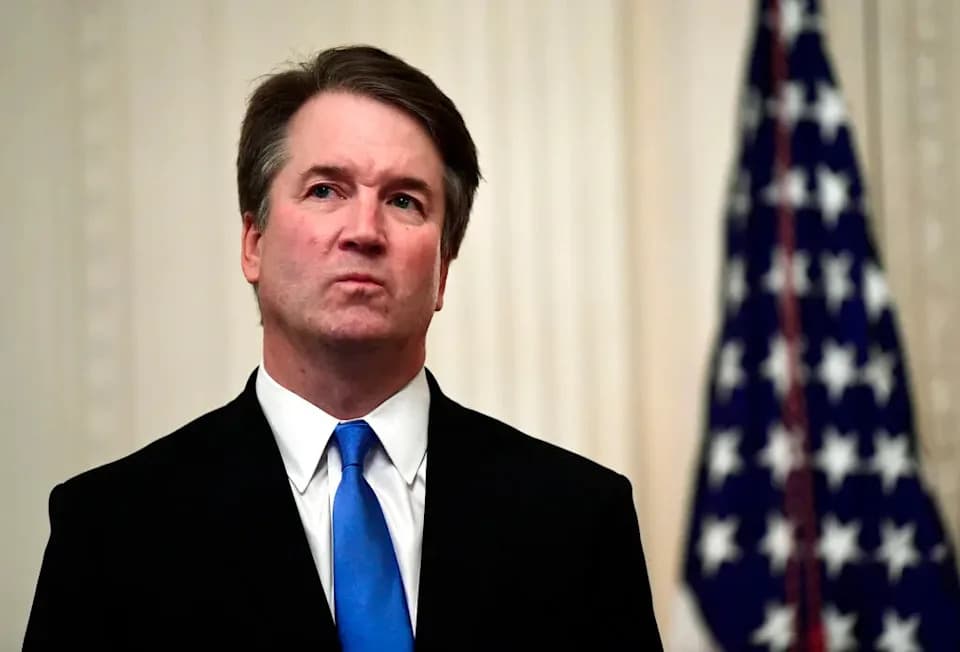
Justice Brett Kavanaugh dissented in a pivotal Supreme Court decision striking down Trump's emergency tariffs.(AP Newsroom)
Justice Brett Kavanaugh issued a sharp dissent Friday, criticizing the Supreme Court’s 6-3 decision to strike down former President Donald Trump’s emergency tariffs under the International Emergency Economic Powers Act (IEEPA). Kavanaugh argued the majority’s distinction between tariffs and other import controls is unsupported by the statute’s text and offered a roadmap of alternative legal authorities the executive could use going forward.
Textualist Argument: Tariffs, Quotas And Embargoes
Kavanaugh, a Trump appointee, advanced a textualist reading of IEEPA, noting that the statute explicitly authorizes the president to "regulate importation" in a declared national emergency. He argued that quotas and embargoes—measures the majority accepts as regulation—serve the same regulatory purpose as tariffs and that tariffs are a "far more modest" means of achieving the same end.
'If quotas and embargoes are a means to regulate importation, how are tariffs not a means to regulate importation? Nothing in the text supports such an illogical distinction,' Kavanaugh wrote.
Majority Opinion And The Major Questions Doctrine
Chief Justice John Roberts, writing for the 6-3 majority, concluded that although IEEPA allows the president to regulate imports during an emergency, the statute does not clearly authorize imposing tariffs—measures the majority treated as tax-like because they raise revenue. Roberts invoked the major questions doctrine, explaining that when executive action has sweeping economic consequences, Congress must provide unmistakable authorization.
Arguments From The Government
At oral argument, Solicitor General John Sauer defended the tariffs as a valuable negotiating tool and likened them to embargoes that block imports. Sauer acknowledged tariffs have an "incidental and collateral effect" of producing revenue but maintained their primary purpose was regulatory rather than fiscal. Kavanaugh agreed with that characterization in his dissent.
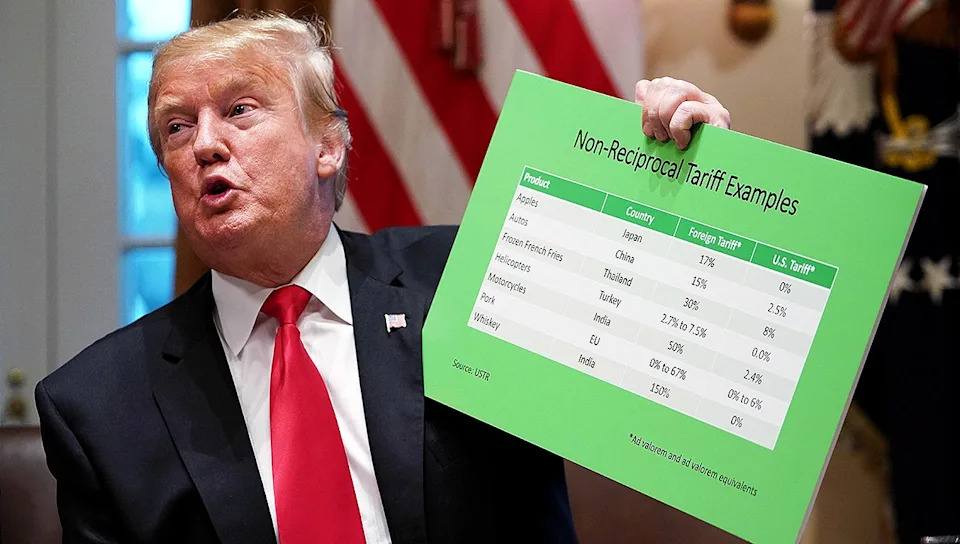
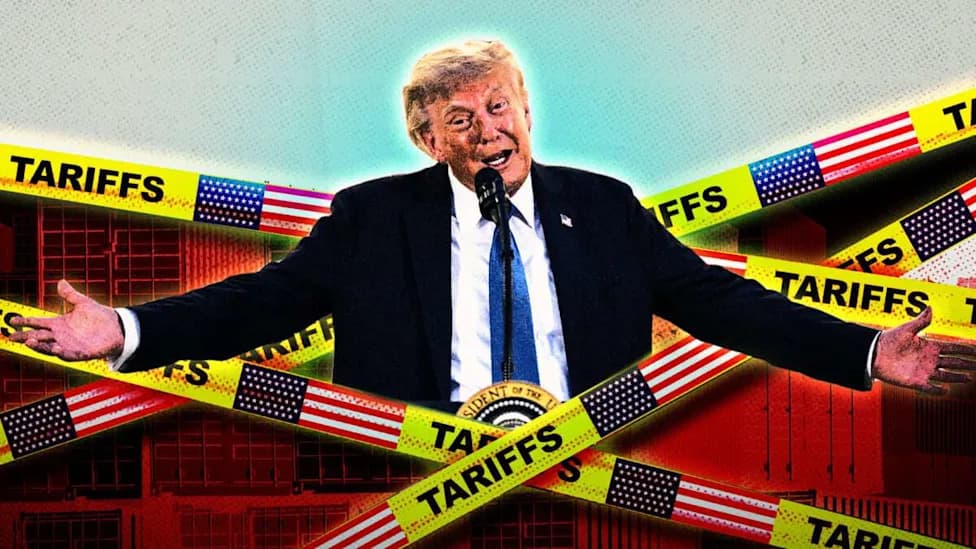
President Donald Trump shows off non-reciprocal tariff examples.
Practical Consequences And Refunds
Kavanaugh also warned of serious practical consequences the majority did not address, including the potential need for the U.S. Treasury to refund billions of dollars collected under the now-invalidated tariffs. He predicted a wave of litigation from importers seeking reimbursement and called the anticipated refund process likely to be a "mess."
Where The Justices Stood
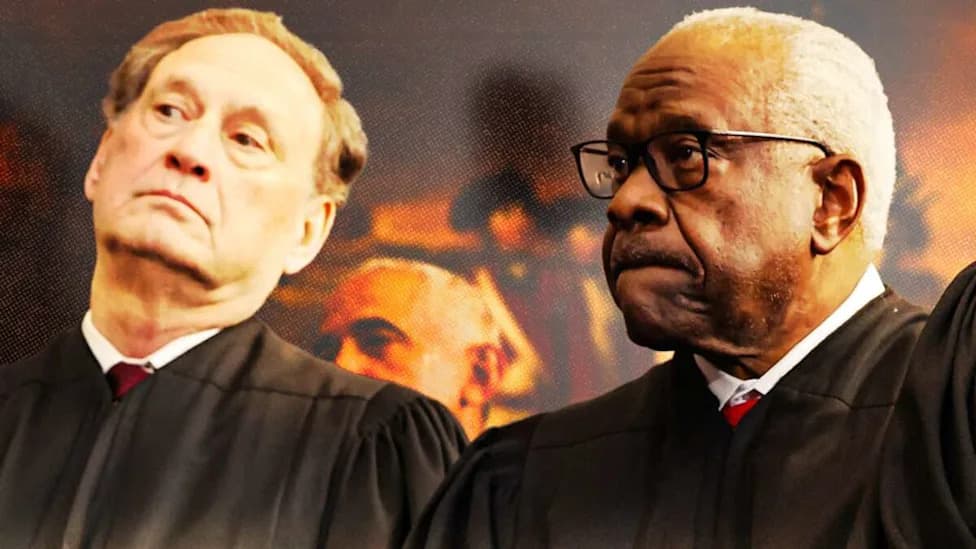
Justices Samuel Alito and Clarence Thomas joined Kavanaugh’s dissent; Thomas also filed a separate dissenting opinion. The majority opinion was authored by Chief Justice Roberts.
Political Reaction And Next Steps
Former President Trump praised Kavanaugh’s dissent and suggested his administration has "very powerful alternatives" to pursue tariffs through other statutory means. Kavanaugh enumerated several statutory pathways the executive might use now that IEEPA has been limited as a tariff vehicle, arguing the majority effectively concluded the administration had "checked the wrong statutory box."
Bottom line: The decision curtails a prominent executive tool for imposing tariffs under IEEPA, but Kavanaugh’s dissent outlines both a textual defense of tariffs as regulatory measures and practical concerns—particularly large refunds and litigation—that could shape how courts and policymakers respond next.
Help us improve.