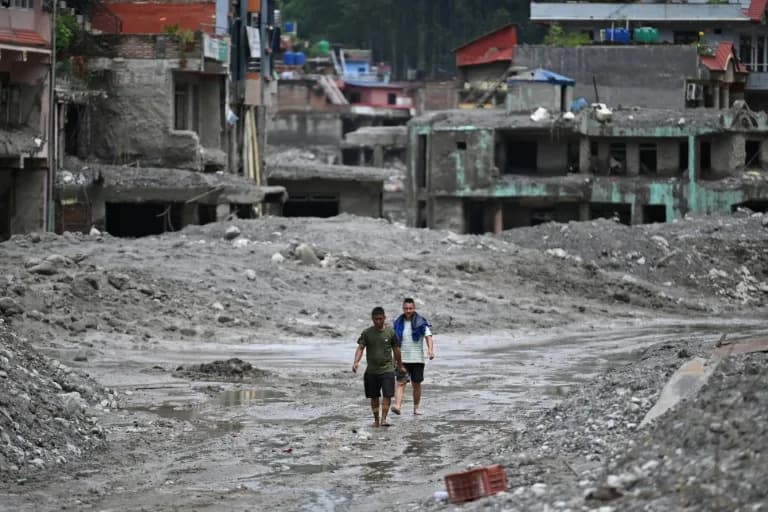
Scientists warn that Earth could be nearing interconnected climate "tipping points" that may push the planet onto a lasting "hothouse" warming path. A One Earth analysis highlights risks to ice sheets, permafrost, glaciers, and the Amazon that could cascade and amplify warming, sea‑level rise and carbon release. While uncertainties about exact thresholds remain, experts stress that the opportunity to prevent catastrophic outcomes is shrinking and that policy choices now will strongly influence future risks.
Earth Nears 'Hothouse' Tipping Point — Scientists Warn of Cascading Climate Risks
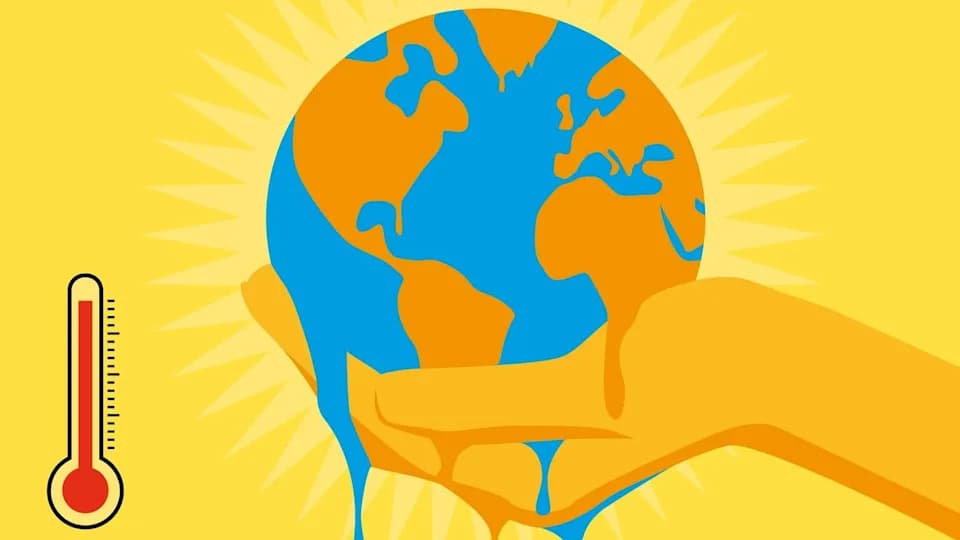
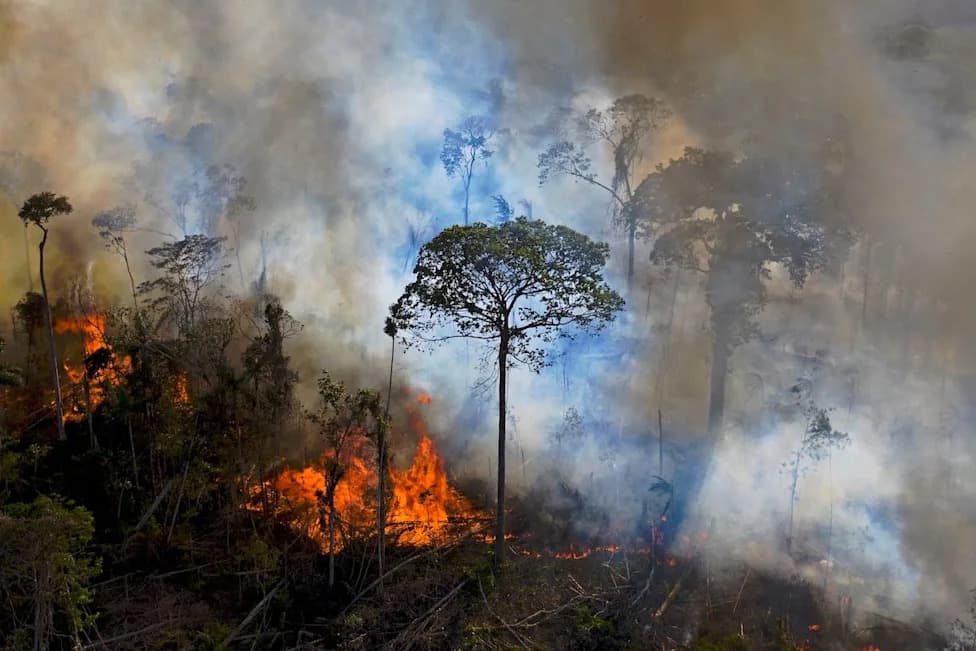
The planet is on track to sustain irreversible damage from climate change. | Credit: Lalocracio / Getty Images
Scientists warn that Earth may be approaching a set of interconnected "tipping points" that could lock the planet into a long-term, high‑temperature "hothouse" trajectory with severe and lasting consequences for ecosystems and human societies.
Key Findings From the One Earth Analysis
An analysis published in the journal One Earth finds that the climate is "departing from the stable conditions that supported human civilization for millennia" and is moving toward several tipping elements that "could commit the planet to a hothouse trajectory." The authors emphasize that "most tipping interactions are destabilizing in nature," so when one element crosses a threshold it can trigger a cascade that pushes other systems past their limits.
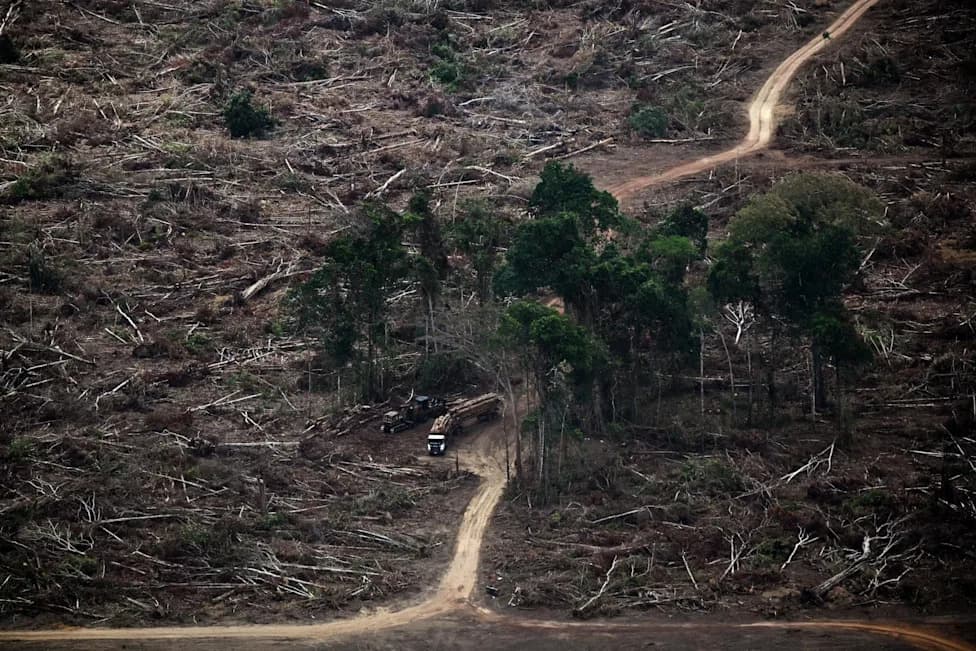
At‑Risk Systems: The analysis highlights several vulnerable components of the Earth system, including the Greenland and West Antarctic ice sheets, boreal permafrost, mountain glaciers, and parts of the Amazon rainforest. Failure of these systems could raise global temperatures further, accelerate sea-level rise, release large stores of carbon, and destabilize ecosystems and food systems.
"If one element tips, it can trigger a cascade effect, pushing other systems past their thresholds," the paper warns.
How Severe Could a Hothouse Scenario Be?
Under a hothouse trajectory, global temperatures could remain significantly above the 4°C rise projected in current worst‑case scenarios for thousands of years, with sustained sea-level rise that would threaten coastal cities and long-term habitability in many regions, according to coverage in The Guardian. Co-author Christopher Wolf of Terrestrial Ecosystems Research Associates told The Guardian that global temperatures may already be "as warm as, or warmer than, at any point in the last 125,000 years," and that warming is progressing faster than many scientists expected.
Uncertainty — But Limited Time to Act
The authors stress important uncertainties: scientists do not yet know the exact thresholds for many tipping elements, how feedbacks will interact with climate sensitivity, or the speed at which tipping cascades might unfold. Nevertheless, the analysis warns that opportunities to avoid dangerous, hard‑to‑manage outcomes are rapidly dwindling.
Policy Context and Health Impacts
Policy choices could raise or lower the risks. Media reporting of policy shifts — including efforts under the Trump administration to roll back limits on carbon dioxide emissions — noted potential public‑health consequences: The New York Times reported such rollbacks could contribute to tens of thousands of premature deaths and millions of additional asthma attacks through 2055. The U.S. remains the largest cumulative emitter of greenhouse gases since the Industrial Revolution, and is currently the world’s second‑largest annual emitter after China.
What This Means
While precise timings and thresholds remain uncertain, the analysis and expert commentary underscore that climate risks are compounding. The window for rapid, effective mitigation and adaptation is closing; avoiding the most severe scenarios will require accelerated global action to cut emissions, protect and restore ecosystems, and prepare vulnerable communities for change.
Help us improve.