Australian Wildlife Conservancy confirmed that a motion-activated camera captured an endangered northern quoll at Piccaninny Plains — the first sighting there in over 80 years. Sanctuary manager Nick Stock placed the camera after spotting an isolated rocky outcrop from a helicopter; the image was later called a "fantastic surprise" by AWC ecologist Dr. Helena Stokes. The detection will guide expanded surveys and research into recovery actions and possible behavioural adaptation to threats such as invasive cane toads.
Rare Northern Quoll Rediscovered on Piccaninny Plains Trail Camera After 80 Years
Northern quoll in Cape York sanctuaryAustralian Wildlife Conservancy/Instagram
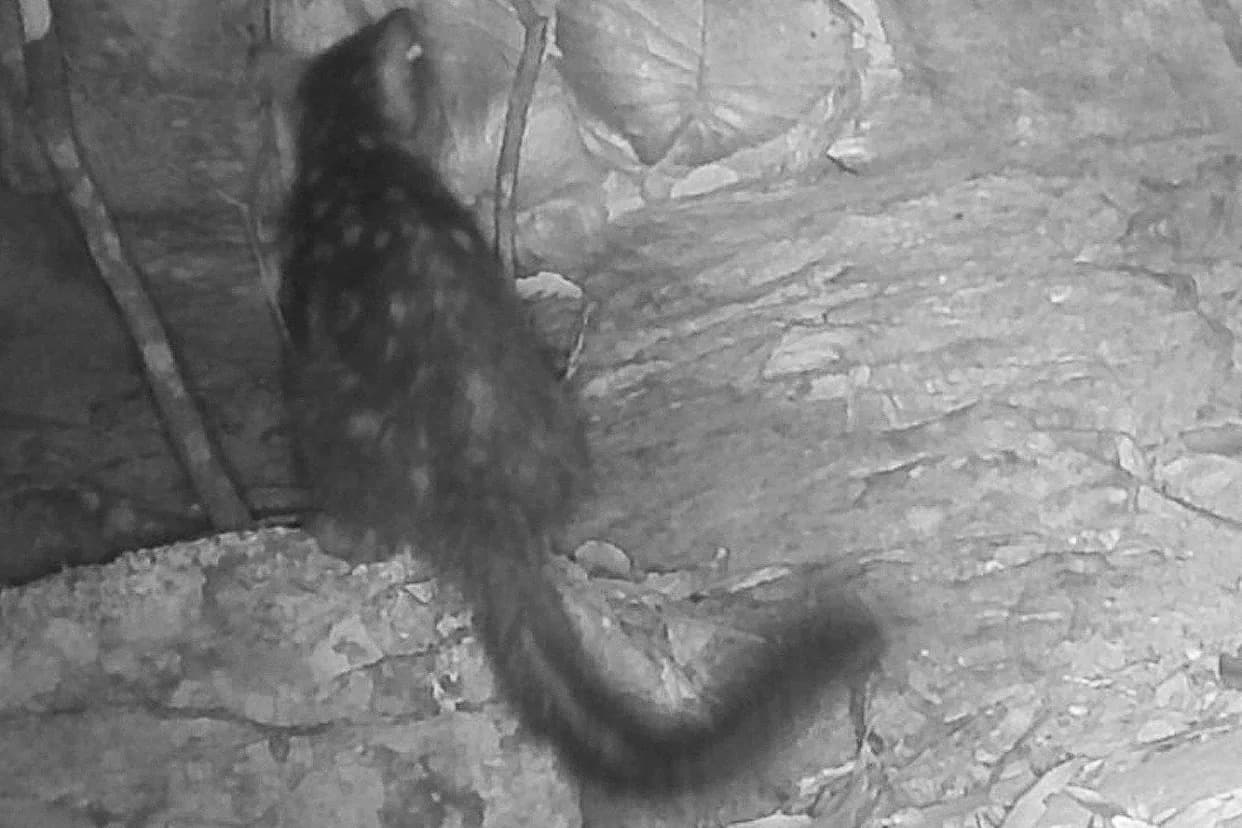
The Australian Wildlife Conservancy (AWC) confirmed that a motion-activated trail camera captured an endangered northern quoll at Piccaninny Plains Wildlife Sanctuary in Cape York — the first recorded sighting on the sanctuary grounds in more than 80 years.
Rediscovery Details
On Jan. 5, the AWC announced that footage from a single motion-sensor camera showed the small, nocturnal marsupial. Once widespread across northern and eastern Australia, northern quoll populations have dramatically declined in recent decades.
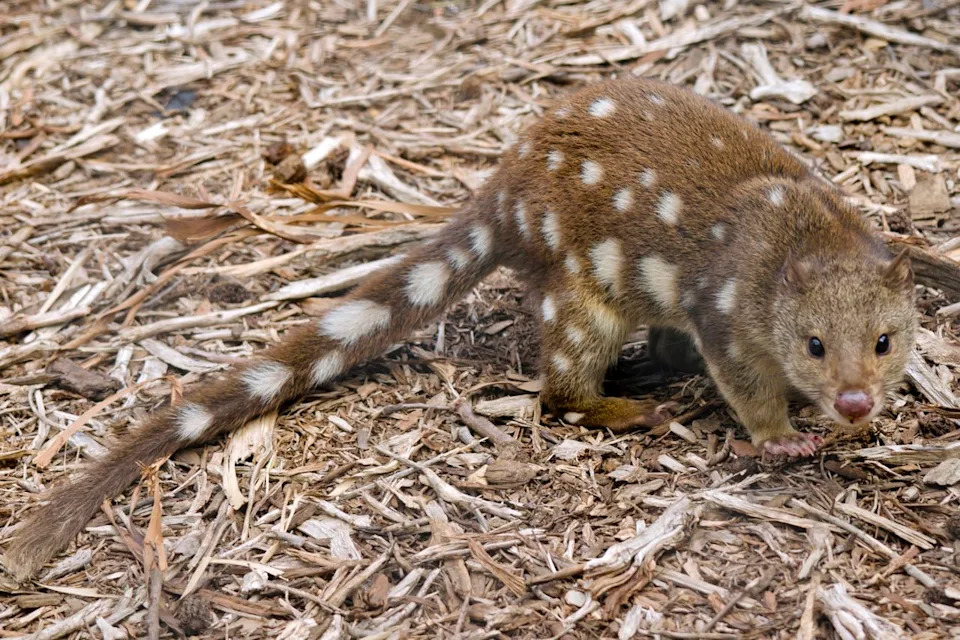
The northern quoll is a nocturnal marsupial with reddish-brown fur, a cream underside, distinctive white spots on its back, a pointed snout and a thin, sparsely furred dark tail. The animals commonly shelter in tree hollows and rock crevices.
Search History and Context
Targeted camera surveys at Piccaninny Plains in 2015, 2021 and 2023 produced no detections, raising fears the species had vanished locally. The last recent camera capture in the immediate region came from neighbouring Indigenous land managed by Kaanju Ngaachi Wenlock and the Pascoe River Indigenous Protected Area, where Chuulangun Rangers recorded a northern quoll.
Northern quoll (stock)Getty
How the Sighting Happened
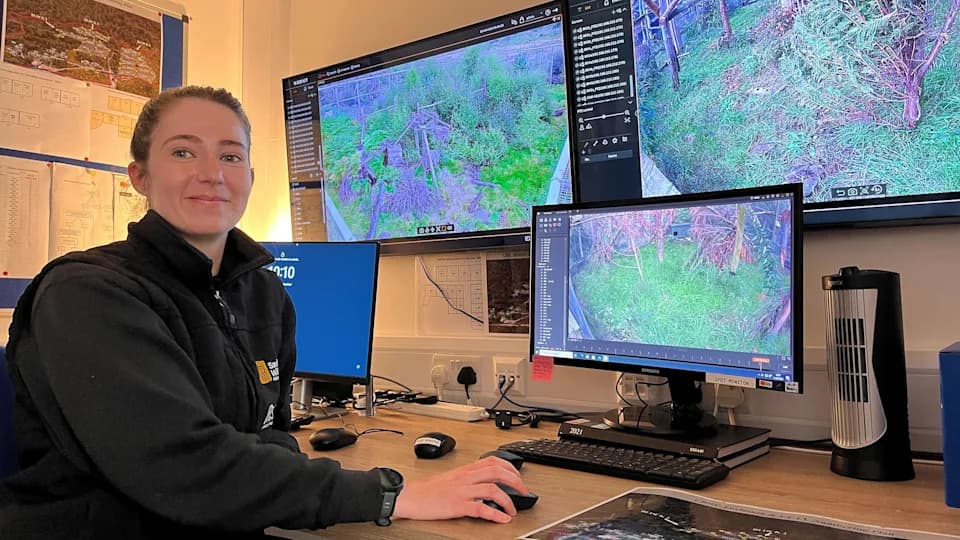
As 2025 approached, sanctuary manager Nick Stock spotted an isolated rocky outcrop while surveying from a helicopter and placed a single camera nearby. Days later the device captured images that confirmed a quoll was present on the sanctuary.
"Every rediscovery matters. Just when we were close to giving up hope, this little quoll reminds us why we keep searching, and why protecting these landscapes at scale is essential," said Nick Stock in a press release.
After reviewing the footage, AWC wildlife ecologist Dr. Helena Stokes described the discovery as a "fantastic surprise," saying it was hugely uplifting for the team after years without sightings.
Conservation Implications
AWC says the sighting provides a clear starting point to widen surveys across Piccaninny Plains and to inform next steps for recovery efforts. Researchers will use the detection to guide expanded monitoring, investigate whether some individuals have adapted their behaviour in response to invasive cane toads, and refine threat-management strategies for feral predators and inappropriate fire regimes.
The rediscovery also highlights the value of targeted monitoring and collaboration with neighbouring Indigenous land managers in delivering conservation outcomes for species that have been absent from sanctuary cameras for decades.
Help us improve.