The study detected microplastic fragments inside Antarctic midge larvae collected around the Antarctic Peninsula, demonstrating that plastic pollution reaches even very remote terrestrial ecosystems. Scientists examined 40 larvae and found two plastic pieces in gut analyses. In lab tests, 10-day exposure did not reduce short-term survival but high plastic levels lowered larval fat reserves—potentially threatening overwinter survival and signaling the need for further research.
Microplastics Found Inside Antarctic Midges — Tiny Insects Show Evidence of Global Plastic Spread
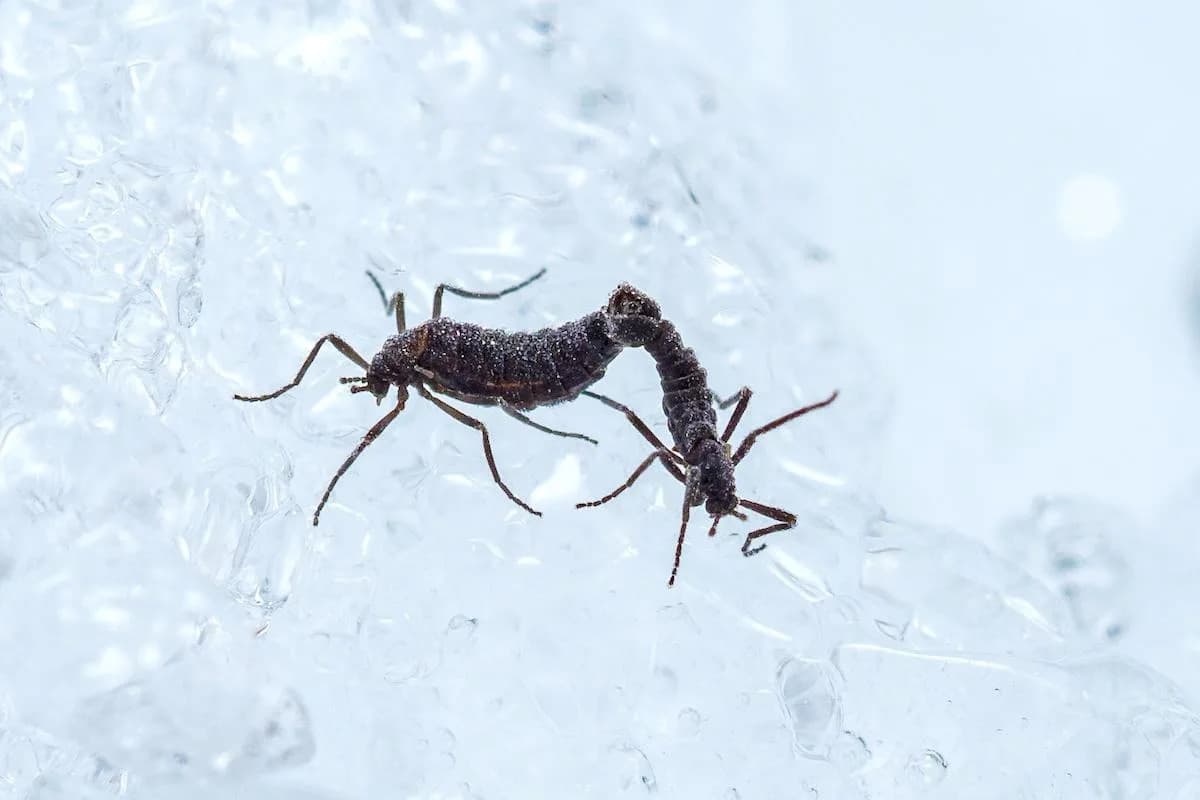
Adult Antarctic midges. Yuta Shimizu / Osaka Metropolitan University
Microscopic plastic fragments have been detected everywhere from mountain clouds to deep seas, and a new study now reports traces of microplastics inside Antarctic midges — the only insects found exclusively on the Antarctic continent.
Microplastics originate when synthetic fabrics, rubber tires and plastic products break down into tiny pieces. Carried by wind and ocean currents, these particles have been deposited across Antarctica and are increasingly being found in snow and seawater. Previous research has documented microplastic ingestion by seabirds and penguins; this study shows the contamination reaches even the continent's smallest terrestrial animals.
Researchers collected 40 midge larvae from sites around the Antarctic Peninsula and examined the contents of their guts. They detected two plastic fragments across the specimens. While the absolute count was low, the authors emphasize that finding any plastic in such a remote, low-pollution environment highlights the global reach of plastic contamination. The work was led by Jack Devlin while at the University of Kentucky and published in Science of the Total Environment.
“You work with this incredible little insect that lives where there are no trees, barely any plants, and you still find plastic in its gut,” Devlin said, noting how the discovery underscores the ubiquity of plastic pollution.
Antarctic midges survive along mosses and algae at the continent’s margins and are well adapted to extreme conditions. To endure the long, punishing winters they can enter extended dormancy for months, tolerating intense cold, drying, high salinity, large temperature swings and strong UV radiation.
Devlin asked whether that hardiness might protect midges from a novel stressor like microplastics — or whether it could make them more vulnerable.
To explore potential effects, researchers fed microplastics to midge larvae in the laboratory for 10 days. The experiment showed no measurable impact on short-term survival, but larvae exposed to high concentrations of plastic had reduced fat reserves. Because fat stores are critical to survive Antarctica’s harsh winters, lower reserves could impair overwinter survival or reproduction.
The authors caution that the field sample was small and the lab exposure short, so further studies are needed to assess long-term, population-level impacts. Nonetheless, the findings add to growing evidence that microplastics are now a global contaminant, reaching even the most isolated ecosystems and organisms.
Help us improve.