Overview: Local organizers in Fort Worth credit sustained grassroots mobilization and data-driven outreach for a surprising Democratic victory in Tarrant County. Taylor Rehmet won a state Senate runoff for a seat held by Republicans since 1992 despite being outspent roughly 10-to-1. Analysts found that about 57% of runoff voters were independents or Democratic-leaning voters who often vote in GOP primaries, undermining claims that low Republican turnout alone explains the loss. The upset casts doubt on the political reach of donors and organizations tied to Christian nationalist organizing.
Fort Worth Upset: Grassroots Organizers Topple Longtime Republican Hold in Tarrant County
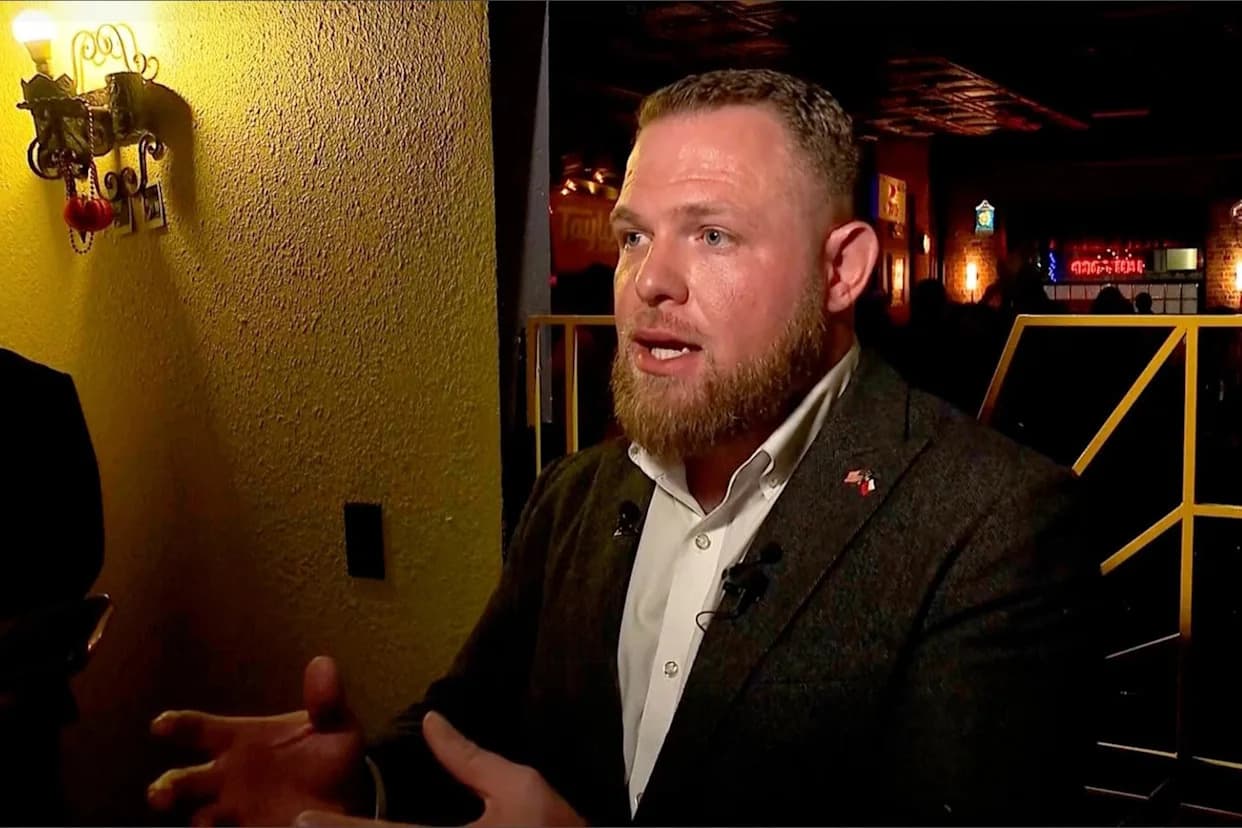
Taylor Rehmet, a Democrat and local union leader who won a runoff for state senate last month.Photograph: KXAS via AP(Photograph: KXAS via AP)
Chris Tackett began tracking the rise of extremism in Texas politics about a decade ago while balancing duties as a Little League coach and school board member. Then living in Granbury, roughly 40 minutes west of Fort Worth, he noticed state representative Mike Lang pushing to divert public funds to private schools despite campaigning as a supporter of public education.
Simple research showed Lang had accepted large contributions from billionaire backers Tim Dunn and the Wilks brothers—donors whose Christian nationalist views have exerted outsized influence on the Texas GOP. Tackett posted his findings on social media and was soon asked to create visual breakdowns of candidates’ funding. Those visuals grew into the organization See It. Name It. Fight It., which he now runs with his wife, Mendi.
The Tacketts moved to Fort Worth and joined a network of progressive and anti-extremist organizers working to push back against Christian nationalist influence in the city and across Tarrant County. Long regarded as a testing ground for gerrymandering and far-right organizing in Texas, Tarrant County recently produced a Democratic victory that has rattled state Republicans.
Local Organizing Produces a Major Upset
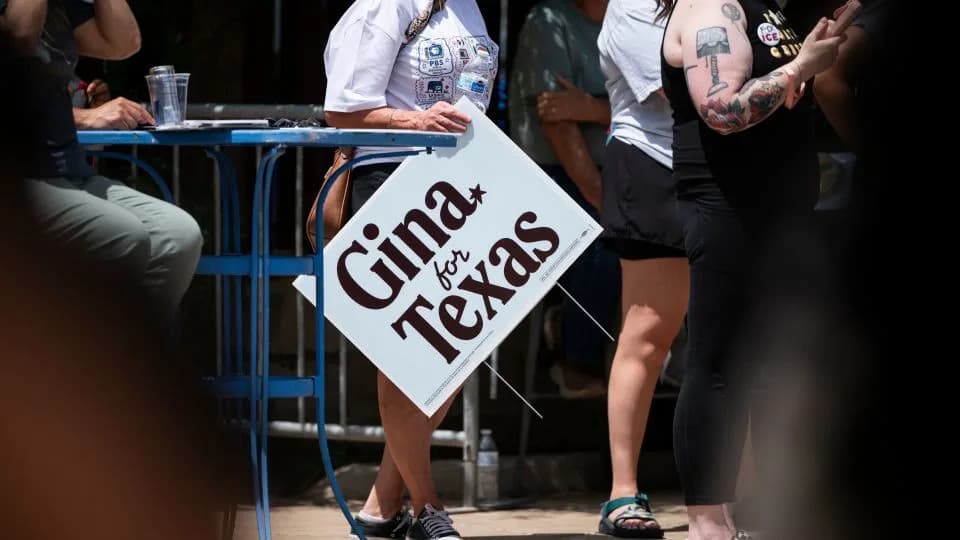
Democrat and union leader Taylor Rehmet won a state Senate runoff for a seat held by Republicans since 1992, defeating Republican Leigh Wambsganss despite being outspent roughly 10-to-1. Much of Wambsganss’s funding came from Tim Dunn and the Wilks brothers. Republicans blamed low turnout, and some pundits cited national political dynamics, but local activists say sustained grassroots organizing, candidate recruitment and data work were decisive.
Community Networks and Data-Driven Outreach
Organizers point to a string of local victories and mobilizations: pushback against a proposal to split a school district, successful school board races in May where every candidate backed by the Christian nationalist-aligned carrier Patriot Mobile lost, and intense turnout work ahead of the runoff. Patriot Mobile—where Wambsganss is an executive—had previously helped elect several candidates across the county, but its influence now appears weakened.
Tackett and other activists meet monthly at the "817 Gather", a diverse coalition of residents activated by local extremism. Members include longtime progressives, people of color, and former Republicans focused less on partisan labels and more on shared priorities: defending public education, protecting bodily autonomy, and expanding access to voting.
Local podcasters and organizers—such as Alexander Montalvo and EJ Carrion of the 817 Pod—regularly mobilize crowds at city council and county commission meetings. The Tacketts produce social media videos that spotlight concerned neighbors and document extremist speakers and organizations.
Tracking Influence and Testing Narratives
Following the runoff, Tackett analyzed turnout and voter behavior to test the GOP narrative that Republican voters staying home caused the loss. He found turnout was down across the board, and his voter-score analysis indicated that about 57% of runoff voters fell into two groups: true independents or Democratic-leaning voters who often participate in GOP primaries because, in deep-red Texas, Republican primaries frequently decide outcomes. That 57% roughly matched Rehmet’s share of the electorate.
“What we saw wasn’t massive Republican crossover. It was Democrats—many of whom have been forced to play in GOP primaries for years—finally getting a meaningful choice and showing up,” Tackett wrote.
Political scientist Brandon Rottinghaus agreed that Democrats had recruited a compelling candidate. For local organizers, Tackett’s data affirmed a strategic conclusion: with sustained investment in communities and authentic candidates, Democrats can win in Tarrant County.
Institutions Under Scrutiny
Activists identify two institutions as major drivers of Christian nationalist organizing in the area: Mercy Culture, a Fort Worth church whose leaders and affiliates have openly encouraged conservative Christians to run for office, and Patriot Mobile, a cellphone company that has politically endorsed candidates. Critics describe Mercy Culture as operating as a political machine that organizes congregants and endorses candidates, a claim church leaders deny.
Former Fort Worth resident Chanin Scanlon summarized the concern succinctly: “This is Christian nationalism. It’s not subtle. They are very clear about what they want. They want to take over institutions.”
The Rehmet upset has left Texas Republicans reassessing strategies and donors’ influence. For local organizers, the takeaway is clear: grounded, data-driven grassroots work—combined with authentic candidates and community investment—can produce surprising results even in long-standing strongholds.
Help us improve.