“Now what?” Gina Hinojosa asked as she looked across an unfinished lot where a crew had not shown up that morning. Were the workers detained? Delayed? Or simply running late?
“Your guess,” replied Ronnie Cavazos, chairman of the South Texas Builders Alliance, as he led the Democratic gubernatorial nominee through a neighborhood that had seen new demand from Elon Musk’s SpaceX. Cavazos listed pressures squeezing his industry: tariffs pushing up lumber and material costs, immigration-enforcement raids at job sites that chilled a workforce afraid of being detained, inflation, higher interest rates that stalled lot developments, and a historic spike in diesel prices.
Why Democrats See an Opening
Republicans have held every statewide office in Texas for nearly two decades. But Democrats say a convergence of factors this cycle—economic strains in border communities, a national backlash to immigration raids, demographic shifts tied to population growth and data-center investment, and controversial GOP nominees who risk alienating moderates—creates their most realistic path in years to break one-party rule in the nation’s second-largest state.
“Previously we thought we could win because the other side was terrible or because our candidate had charisma. That isn’t enough,” Hinojosa told supporters at a small café in Brownsville. “This cycle we’ve been given gifts: a perfect storm of circumstances plus an unprecedented, highly coordinated effort to get out the vote across the state.”
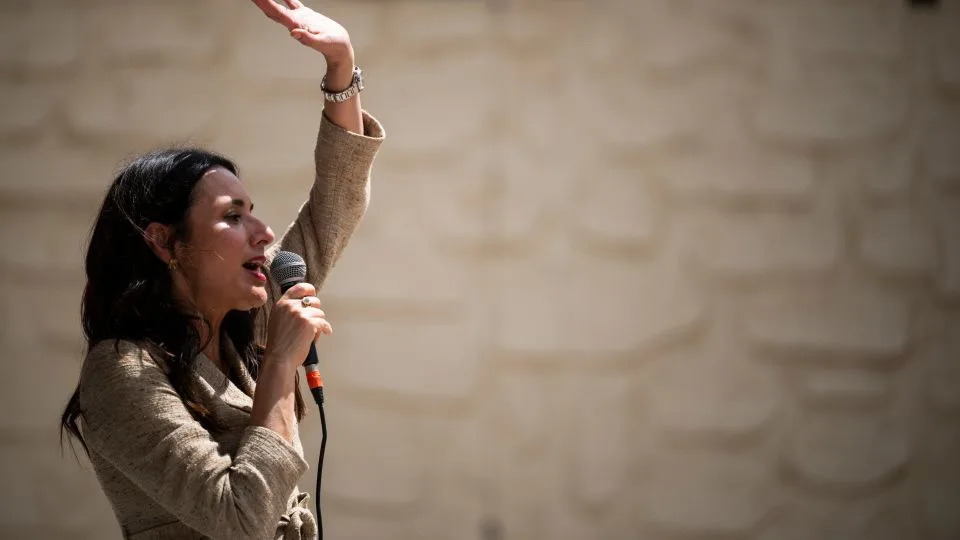
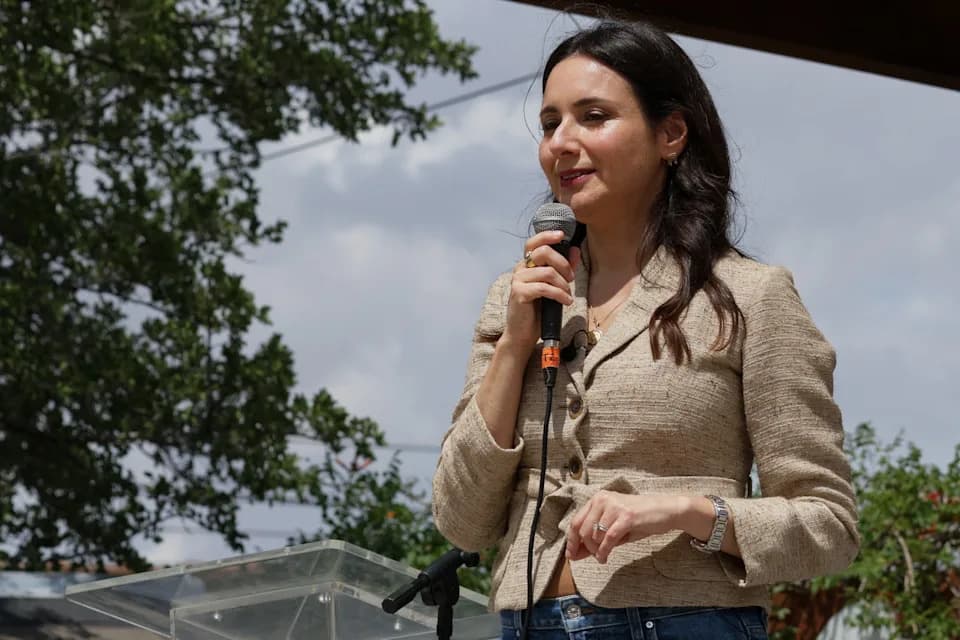
Democratic candidate for Texas governor Gina Hinojosa speaks at a rally in Lubbock, Texas, on July 18, 2026. - Justin Rex/AP
Organizing at Scale
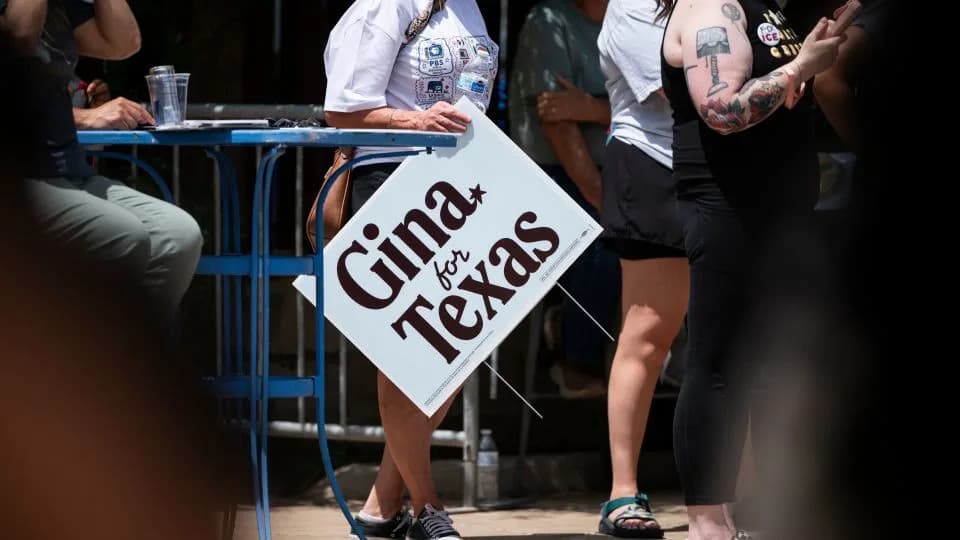
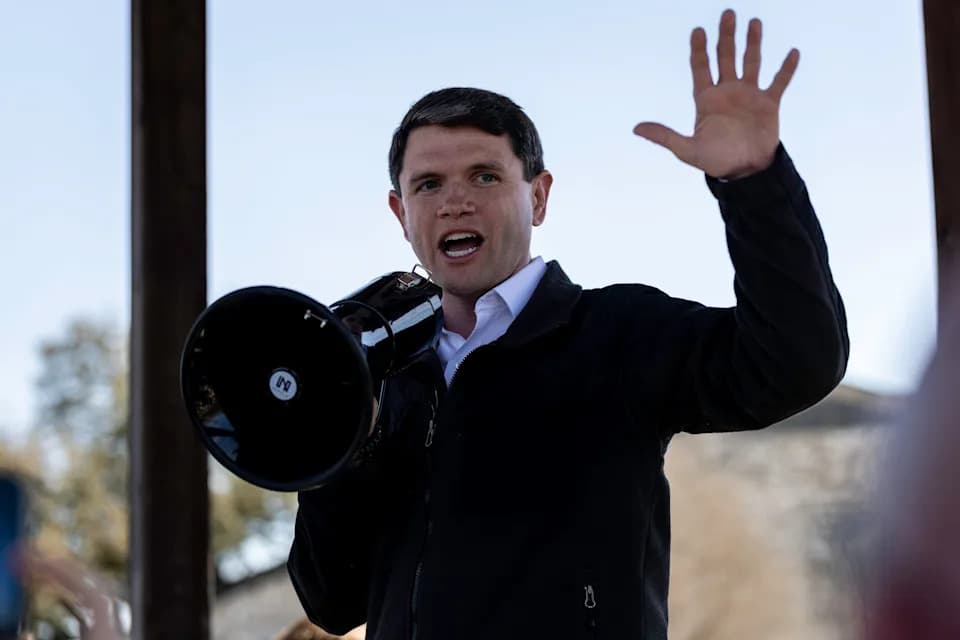
Hinojosa and fellow Democratic statewide nominee James Talarico are campaigning across Texas—sometimes together, often apart to cover more ground. For the first time since at least 1972, Democrats have fielded a candidate for every state legislature seat. Beto O’Rourke’s Powered By People has been active recruiting candidates and organizing on college campuses, and has collected nearly 100,000 cellphone numbers for voter outreach. Talarico is redirecting about $600,000 of his national fundraising to local races.
Barack Obama made a surprise appearance with the candidates at a Taco Joint stop in Austin. High-profile visits like that, plus coordinated local organizing, are central to the Democrats’ strategy to translate favorable conditions into turnout.
Shifting Latino Sentiment
Polling suggests Latino voters in Texas have become less favorable toward Donald Trump: a recent Texas Politics Project/University of Texas survey found 51% of Latino respondents view Trump unfavorably versus 41% favorably, a reversal from an even split in October 2024. Democrats are betting that combination of softened GOP support, population growth in Latino communities and targeted messaging around everyday costs can swing key border regions back.
“Don’t let past performance dictate the future. Things are moving fast in Texas,” said Sen. Ruben Gallego, who campaigned with Hinojosa. “Good candidates can change the environment.”
Local Stories, National Stakes
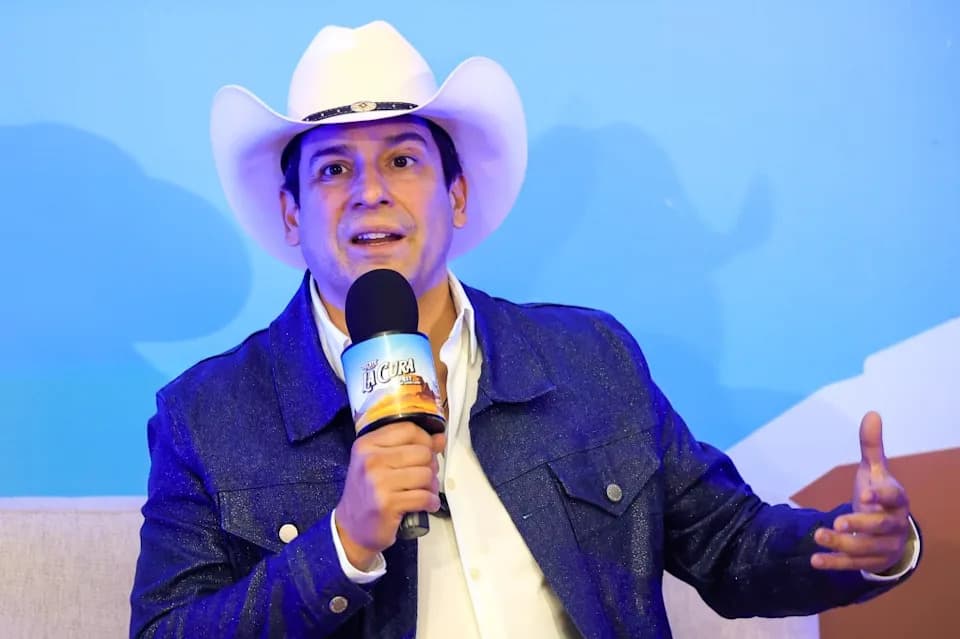
Campaign stops illustrated everyday pressure points: a Brownsville phone bank where a woman described helping pay her mother’s electricity while falling behind on property-tax interest; a McAllen bar where Hinojosa asked the crowd if they trusted government and received no raised hands. Candidates tailored messages to border realities—Rep. Vicente Gonzalez ran ads highlighting cheaper medication across the border; Tejano singer Bobby Pulido, running in a low-income region, emphasizes shared conservative values and economic relief.
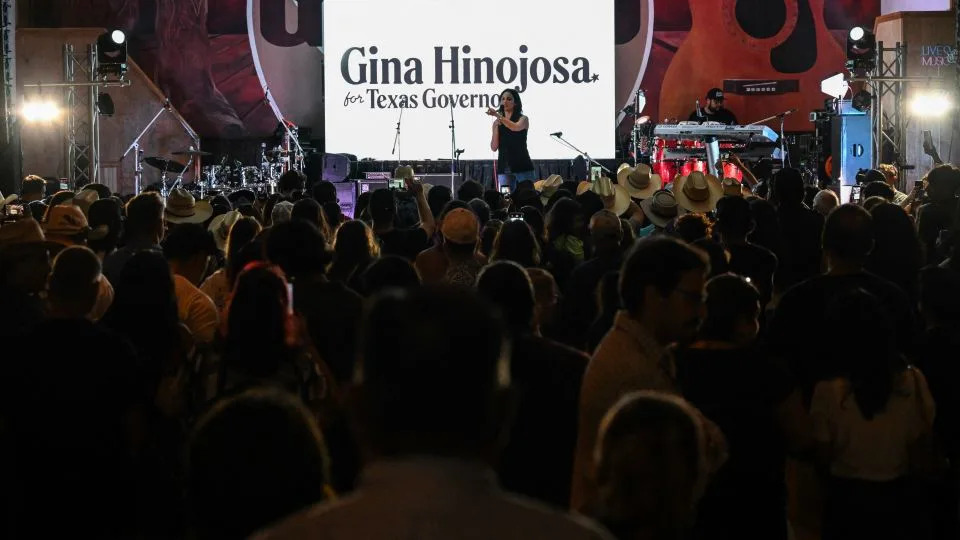
Texas Democratic gubernatorial candidate Gina Hinojosa speaks during a campaign rally as part of the "New American Dream Tour" in Beeville, Texas, on August 22, 2026. - Ronaldo Schemidt/AFP/ Getty Images
Democrats also point to recent controversies on the right as opening space for persuasion. The GOP nominee for state railroad commissioner posted an image and commentary about “replacement” that many considered racist; that post prompted criticism from some prominent Republicans, including Karl Rove, who said he would vote Democratic this year.
The Republican Advantage
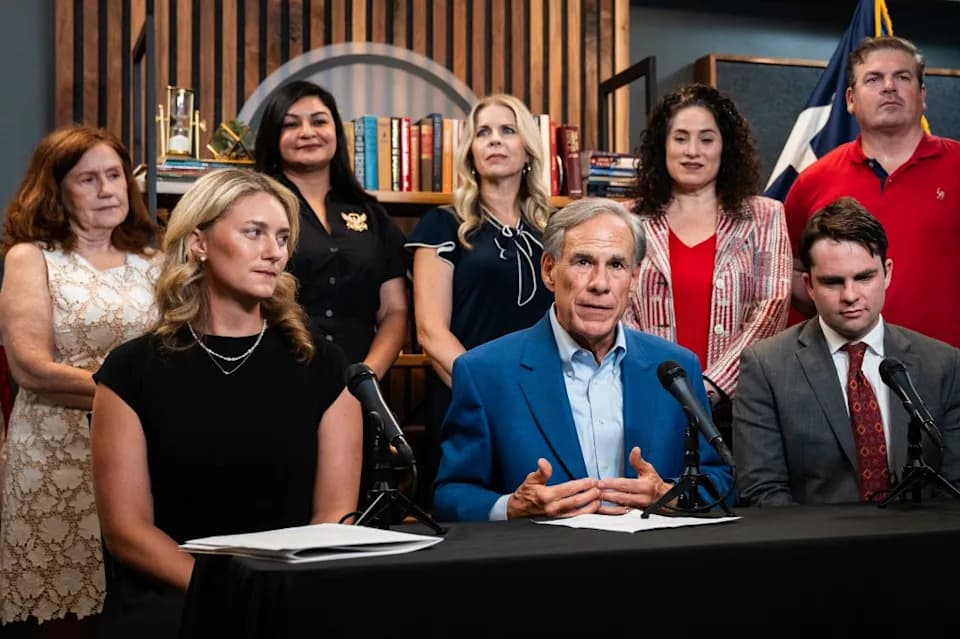
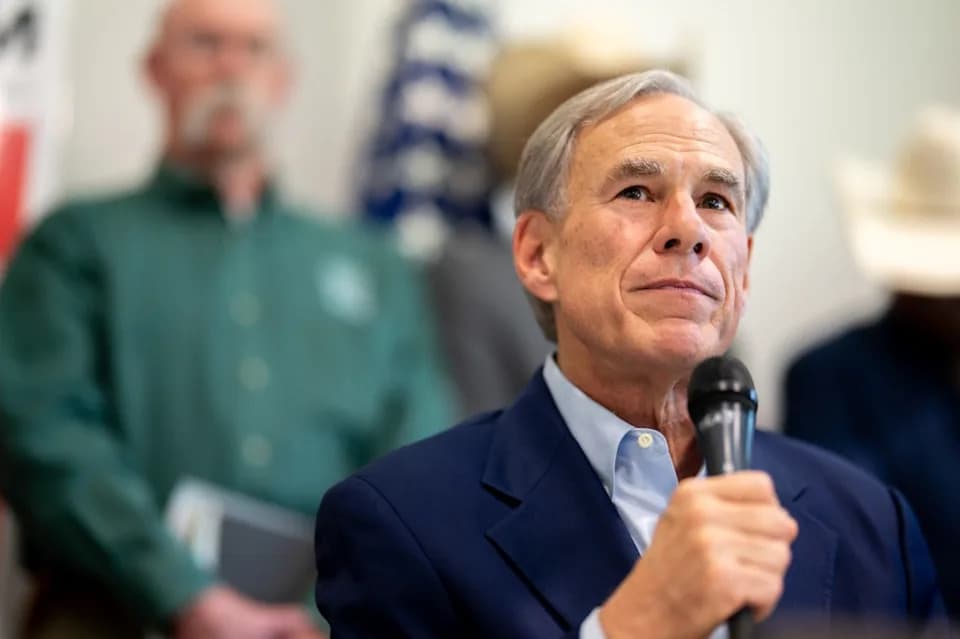
Despite the momentum Democrats describe, the Republican incumbent, Gov. Greg Abbott, maintains a large cash advantage—roughly $70 million reported this summer—and is backed by heavy spending from allied groups. Abbott’s team emphasizes tax cuts and cost-control messaging while warning Democrats’ proposals would raise taxes and costs.
Campaign operatives on both sides acknowledge Texas remains a difficult terrain for Democrats: Trump won the state by 14 points in 2024 and Abbott beat Beto O’Rourke by 11 points in 2022. But Democrats argue that coordinated fieldwork, demographic changes and regional economic strains together create a plausible path to competitive statewide results in 2026.
Unlikely Supporters and the Broader Impact
The campaign has attracted unconventional backers. Some voters who previously supported Trump have been drawn to Hinojosa over specific local issues—such as opposition to school vouchers—from her time on the state education committee. That kind of cross-over appeal, combined with energized young organizers and national attention, gives Democrats cautious optimism.
Whatever the outcome, the battle for Latino voters and border communities in Texas will likely shape presidential politics in 2028 and 2032 as population trends continue shifting Electoral College dynamics southward.