Analyses of nearly 250,000 Landsat images (1985–2020) show boreal forests shifting northward and expanding by about 12% as mean surface temperatures across the biome have risen roughly 1.4°C over the past century. The expansion could increase carbon sequestration — stands younger than 36 years might store an extra 2.3–3.8 petagrams of carbon — but gains are offset by regional disturbances such as wildfires, insect outbreaks and permafrost changes. Regional drivers include forest management, agricultural abandonment and climate-driven growth at the treeline.
Boreal Forests Are Shifting North: Satellites Show ~12% Expansion as the Arctic Warms
Why boreal forests are expanding northward, scientists say
Satellite records spanning several decades show boreal forests continuing to move northward as rising temperatures and changing land use alter their range.
What the study looked at
Researchers analyzed nearly a quarter of a million Landsat satellite images taken from 1985 through 2020 — the longest continuous, high-resolution, calibrated space-based record of Earth's tree cover — and published their results in Biogeosciences, with NASA highlighting the findings.
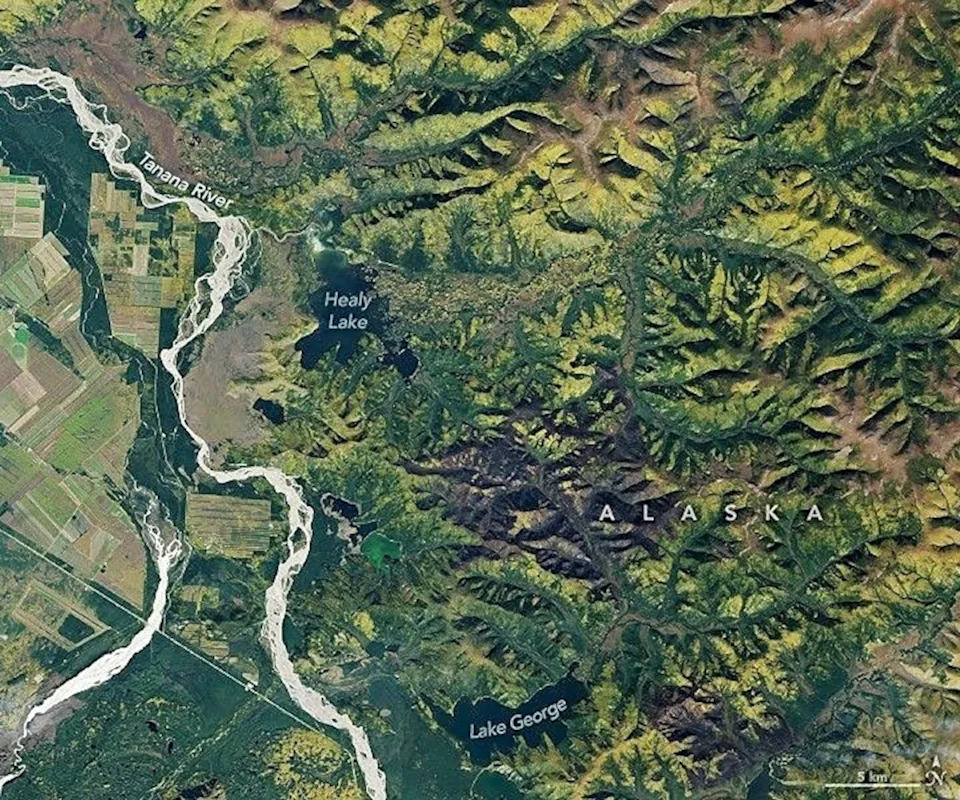
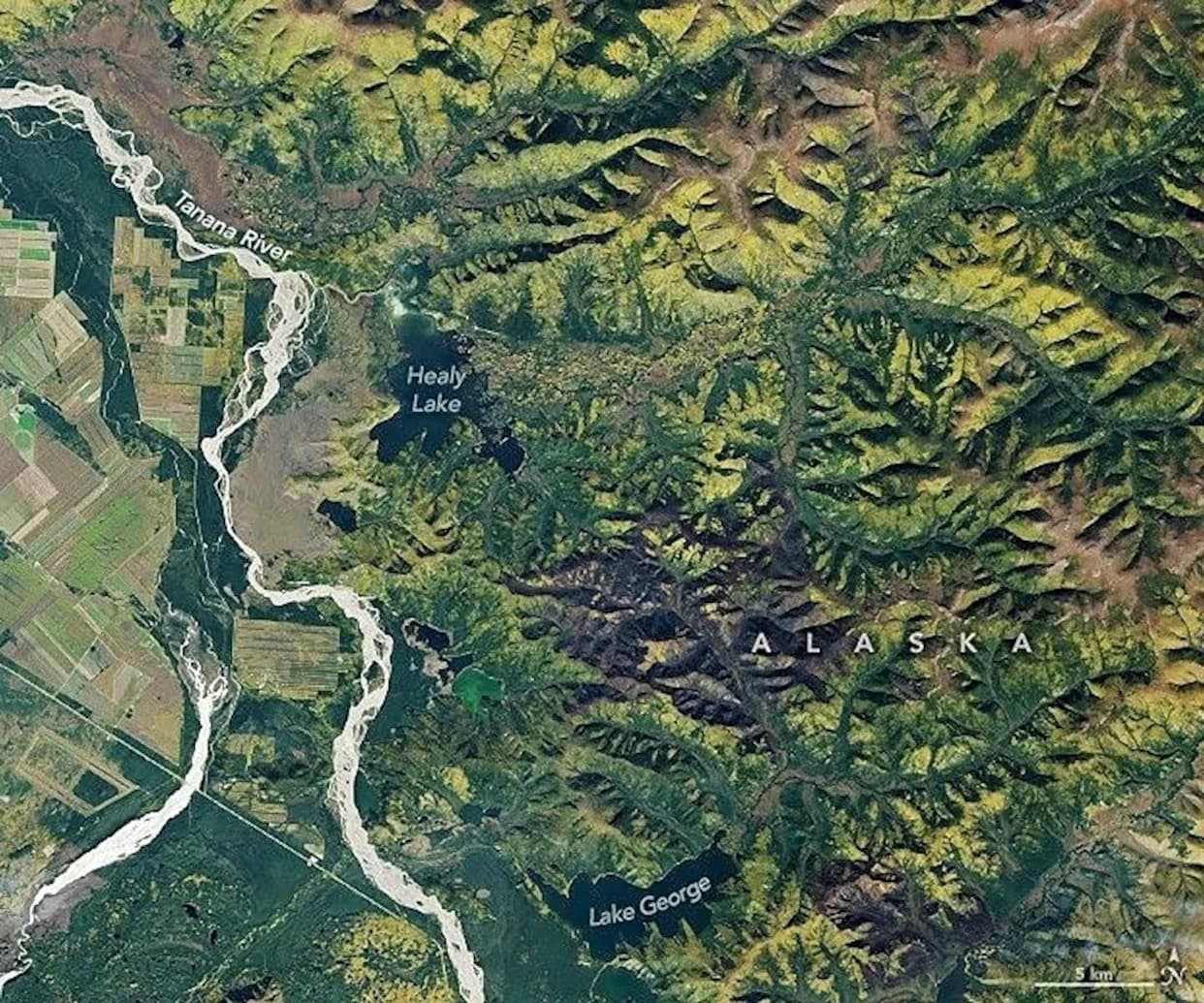
Landsat 8/OLI/NASA - PHOTO: The Tanana River near the town of Delta Junction, Alaska, Sept. 18, 2025.
Key findings
The analysis detected a clear northward displacement of boreal tree cover over the last four decades and an overall expansion of the biome by about 12%. Mean surface temperatures across boreal regions have risen roughly 1.4°C (about 2.5°F) over the past century, changes the authors call “unprecedented” for this critical ecosystem.
Carbon implications and caveats
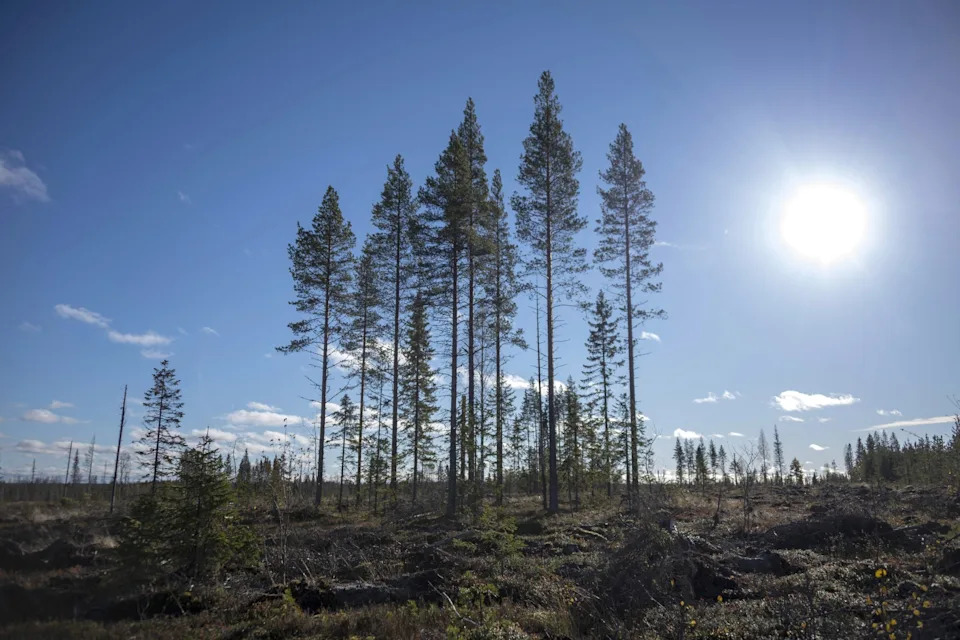
Olivier Morin/AFP via Getty Images - PHOTO: A small patch of trees stand in a clearing of the boreal forest, above The Arctic Circle, in Finnish Lapland, near Kaakkurilampi on October 7, 2022.
The researchers estimate that stands younger than 36 years could sequester an additional 2.3–3.8 petagrams of carbon (roughly 2–4 billion metric tons), increasing the boreal zone’s carbon-sink potential. However, this potential is moderated by disturbances — including wildfires, insect outbreaks and permafrost thaw — that can release carbon and alter ecosystem trajectories.
Regional patterns and drivers
Boreal forests span parts of eight countries — Canada, China, Finland, Japan, Norway, Russia, Sweden and the United States — and are typically dominated by conifers such as pine, spruce and fir (with some broadleaf species such as poplar and birch).
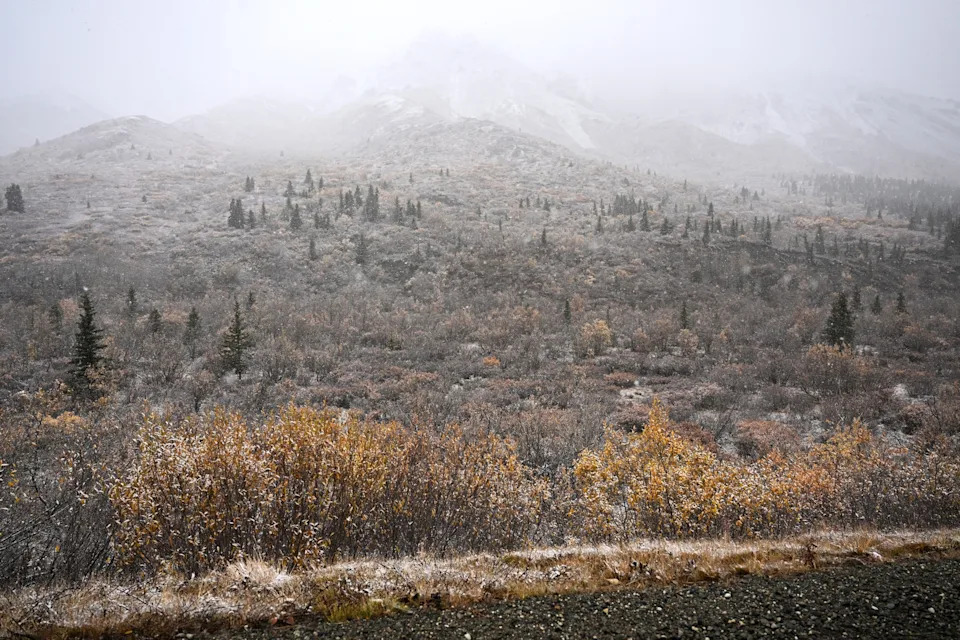
Patrick T. Fallon/AFP via Getty Images - PHOTO: Snow falls on foliage along the Denali Park Road in Denali National Park, Alaska, on September 21, 2022.
Regional gains and losses are driven by different factors: in North America, the largest gains occurred in the northernmost boreal while losses were linked to broad disturbances (notably bark beetle outbreaks in British Columbia and major wildfires in western Canada and interior Alaska). In northern Europe, expansion was tied in part to forest management practices; in parts of Asia, regrowth followed agricultural abandonment after the Soviet era and increased larch cover near the Yakutsk permafrost zone in eastern Siberia.
Ecotone and treeline dynamics
The study emphasizes that tree cover is densest in the southern boreal and thins toward the north, where the transition to Arctic tundra features sparse conifer stands, woodlands, herbaceous vegetation and large unvegetated barrens. Above roughly 71°N — approaching the Arctic Circle — tree cover is nearly absent.
While northward expansion could boost carbon uptake locally, it does not guarantee long-term carbon storage: the balance between growth and losses from fire, insects, permafrost carbon release and land management will determine the net climate effect.
Bottom line
High-resolution satellite records reveal that boreal forests are shifting north and expanding as the planet warms, with mixed implications for carbon storage and ecosystem function that depend on regional conditions and disturbance regimes.
Help us improve.