Archaeologists using advanced imaging have revealed hidden medieval inscriptions, coats of arms and sketches on the walls of the Cenacle, the chamber long associated with Jesus’s Last Supper on Mount Zion in Jerusalem. Finds include markings linked to Johannes Poloner (c.1421–22), a 1436 Styrian pilgrim’s coat of arms, and an inscription reading "Christmas 1300," possibly tied to Armenian nobles. While these graffiti do not prove the Cenacle is the exact room of the Last Supper, they illuminate the international and multiethnic pilgrim networks that visited Jerusalem in the Middle Ages.
Hidden Medieval Graffiti Revealed at the Cenacle — New Insights Into Pilgrimage to the Last Supper Site
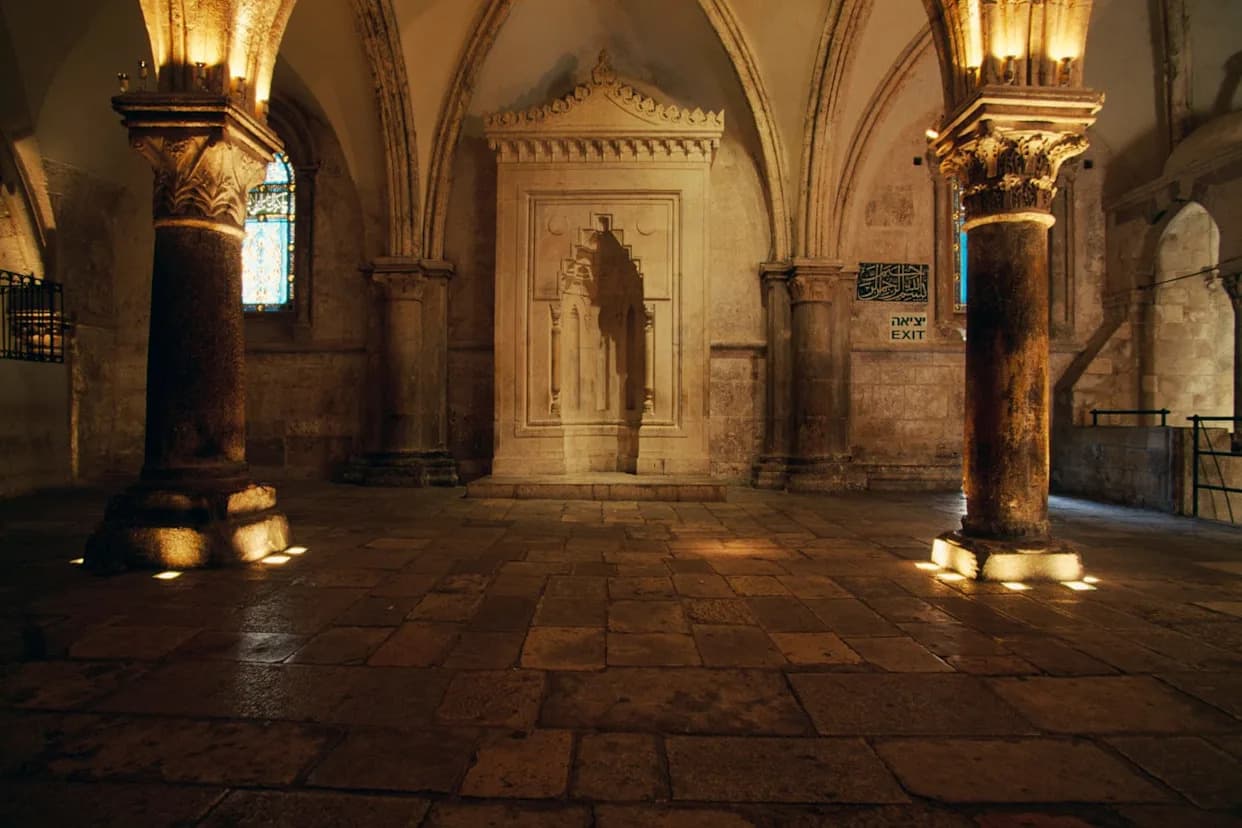
Messages Found on the Walls of Last Supper SiteDEA / S. VANNINI - Getty Images
Archaeologists using advanced imaging have uncovered medieval inscriptions, coats of arms and sketches carved into the stone walls of the Cenacle, the room long associated with Jesus’s Last Supper on Mount Zion in Jerusalem. The recovered marks—many invisible to the naked eye—offer fresh detail about the international flow of pilgrims to this celebrated site.
What Was Found
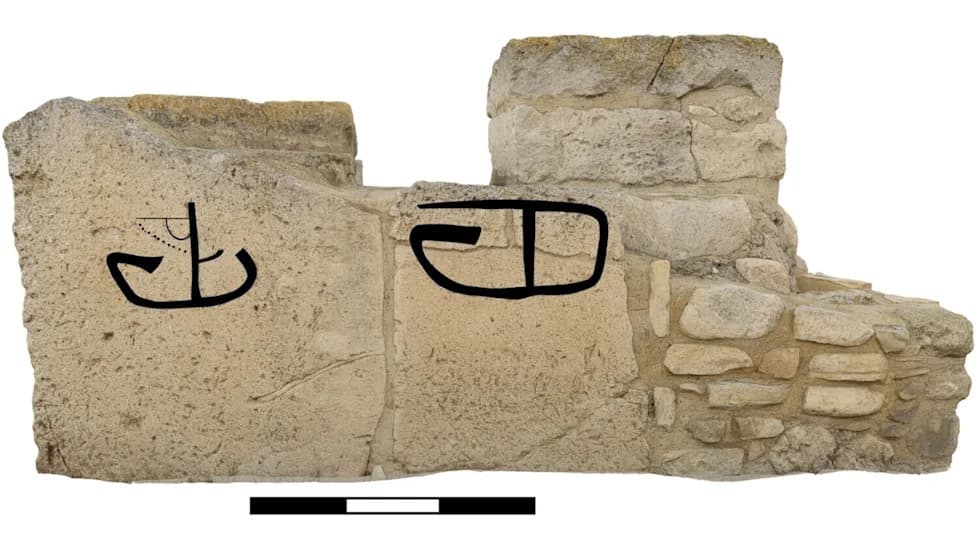
Researchers working with digital photographic enhancement documented a range of scratched and incised marks on the Cenacle’s ancient masonry: brief pilgrim notes, heraldic devices, dated inscriptions and simple sketches. Among the most notable finds are an inscription linked to Johannes Poloner of Regensburg (recorded ca. 1421–1422), coats of arms attributed to Tristram von Teuffenbach (a Styrian noble connected with a 1436 pilgrimage led by Archduke Frederick of Habsburg), and an inscription reading “Christmas 1300.”
Historical Context
The Last Supper is one of the most important episodes in Christian tradition and appears in all four Gospels; the Gospel of John presents a chronology that differs from the Synoptic accounts. The meal is also central to Christian ritual: as Paul records in 1 Corinthians 11:23–25, Jesus shared bread and wine with his disciples and instructed them to do this in remembrance of him.
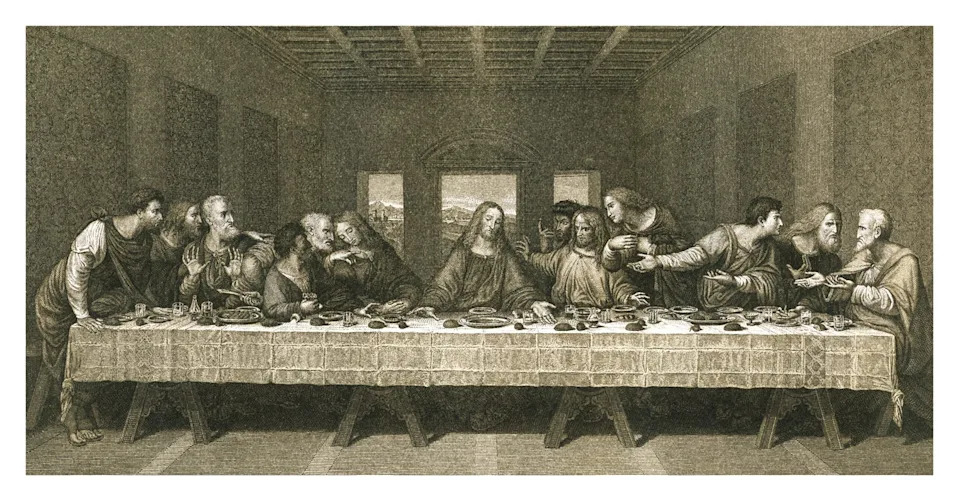
The most famous depiction of the Last Supper isL’Ultima Cena, otherwise known asIl Cenacolo, a mural by artist Leonardo da Vinci painted some time between 1495–1498 AD.mikroman6 - Getty Images
"The Lord Jesus, on the night he was betrayed, took bread... 'This is my body, which is for you; do this in remembrance of me.'" — 1 Corinthians 11:23–25
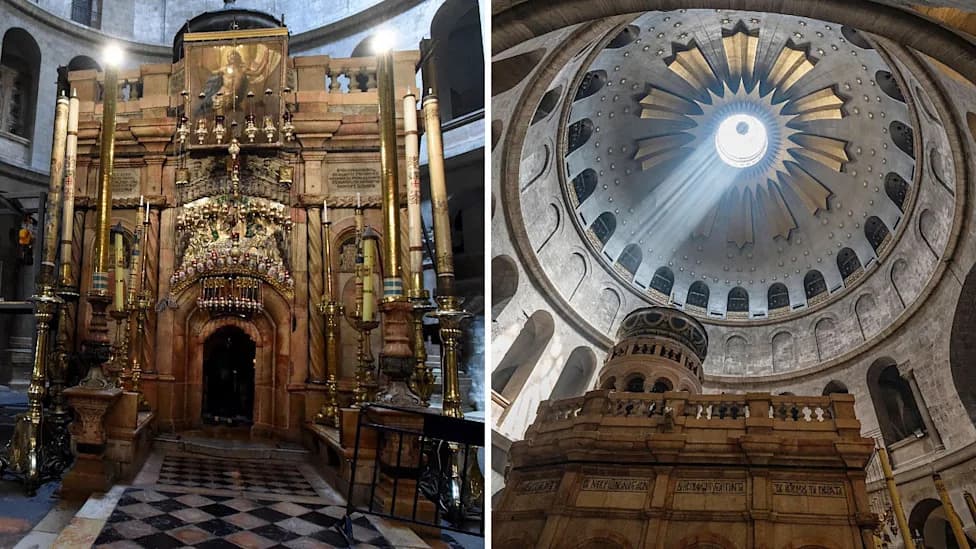
Although no Gospel gives precise coordinates for the Upper Room—Mark only describes "a large upper room furnished and ready"—later Christian tradition long associated the event with Mount Zion just outside Jerusalem’s Old City. The building now called the Cenacle likely stands atop earlier foundations and bears the traces of repeated destruction and rebuilding across the centuries.
Significance of the Inscriptions
The inscription "Christmas 1300," stylistically linked to Armenian nobility, may support accounts that Armenian forces under King Het'um II entered Jerusalem in the aftermath of campaigns in Syria around late 1299. While intriguing, such markings do not constitute definitive archaeological proof that the Cenacle is the exact room of the Last Supper—centuries of alteration make that identification virtually impossible to confirm.
As study coauthor Ilya Berkovich observed, however, these graffiti help broaden our understanding of how sites become sacred through repeated visits and layered memories: "These graffiti shed new light on the geographical diversity and international pilgrimage movement to Jerusalem in the Middle Ages," he told Heritage Daily.
Why This Matters
Beyond questions of authenticity for a single biblical event, the findings illuminate medieval devotional practice, show the social range of pilgrims (from common worshippers to nobles), and highlight Jerusalem’s role as a crossroads for people from Western Europe, Armenia and beyond. The inscriptions are a direct, human trace of the many pilgrims who sought to touch and mark a place they considered holy.
Help us improve.