Somalia signed a military cooperation memorandum with Saudi Arabia in Riyadh, following a recent defence pact with Qatar, as Mogadishu seeks regional backing after Israel recognised Somaliland. Both governments described the agreement in broad terms but released no operational details. The moves come alongside Somalia's cancellation of deals with the UAE amid accusations over its role in the Somaliland recognition and broader regional tensions involving Yemen and Sudan.
Somalia Signs Military MoU With Saudi Arabia as Regional Tensions Rise Over Somaliland
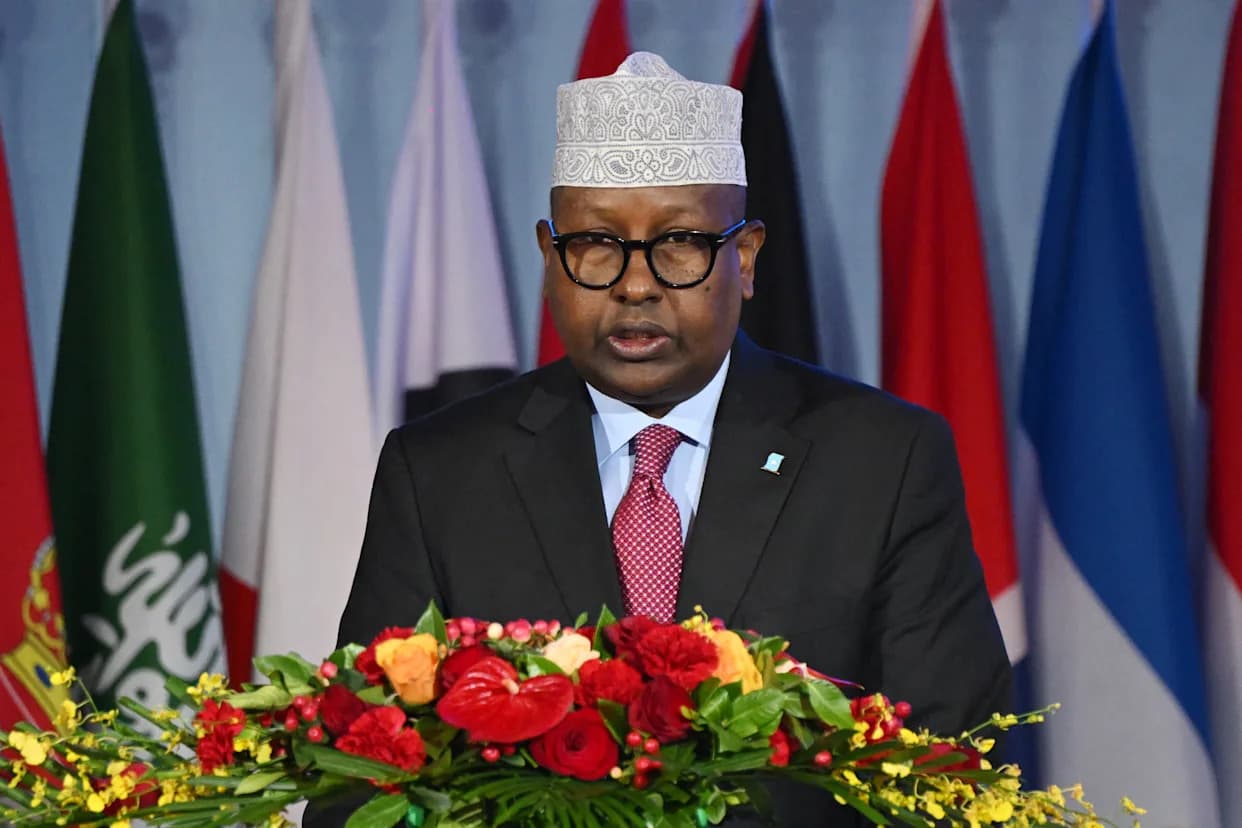
Somali Defence Minister Ahmed Moallim Fiqi Ahmed speaks during a plenary session of the Xiangshan Forum in Beijing on September 19, 2025 [Greg Baker/ AFP]
Somalia has signed a memorandum of understanding (MoU) on military cooperation with Saudi Arabia in Riyadh, weeks after concluding a similar defence pact with Qatar. The moves come as Mogadishu seeks regional support following Israel's decision to recognise the breakaway region of Somaliland, a step Somalia strongly opposes.
What Was Announced
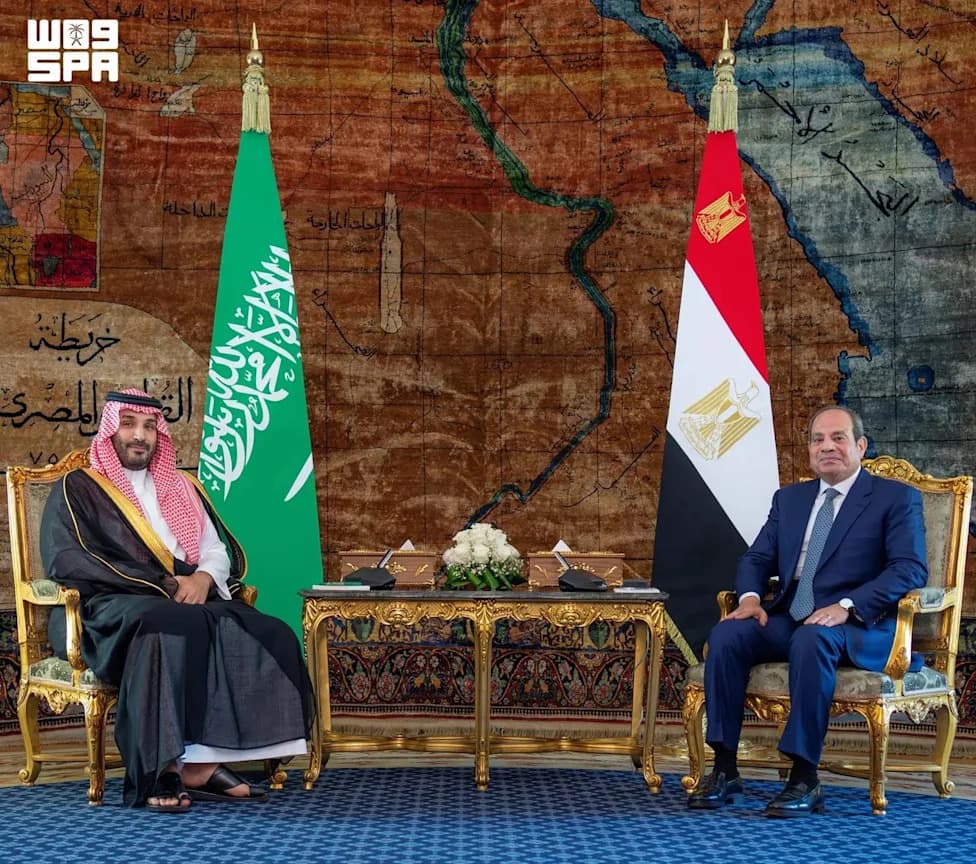
The MoU was signed in Riyadh by Somalia's Minister of Defence, Ahmed Moallim Fiqi, and Saudi Defence Minister Prince Khalid bin Salman bin Abdulaziz. According to Somalia's Ministry of Defence, the agreement "aims to strengthen the frameworks of defense and military cooperation between the two countries, and includes multiple areas of common interest, serving the strategic interests of both parties." Prince Khalid confirmed the deal in a post on X, but both governments gave no operational details.
Related Agreements
Last month, Somalia also signed a defence pact with Qatar focused on military training, exchange of expertise, development of defence capabilities and enhanced security cooperation. Doha described that agreement as aimed at strengthening areas of joint cooperation to serve mutual interests and bolster regional stability.
Context: Somaliland, Israel And The UAE
The diplomatic push by Mogadishu follows Israel's December recognition of Somaliland — the first country to do so — which has heightened tensions across the Horn of Africa. Somalia has warned that an Israeli military presence in Somaliland could be used to project power in the region. President Hassan Sheikh Mohamud told Al Jazeera he "will never allow" an Israeli base in Somaliland and vowed to "confront any such move."
"We will fight in our capacity. Of course, we will defend ourselves," the president said. "We will confront any Israeli forces coming in, because we are against that and we will never allow that."
In January, a Somaliland official told Israel's Channel 12 that an Israeli base was "on the table" though terms were still under negotiation. Amid those developments, Somalia last month cancelled all agreements with the United Arab Emirates — including deals on port operations, security and defence — accusing Abu Dhabi of actions that undermine Somalia's national unity and political independence. Reports suggested the UAE played a role in facilitating Israel's recognition of Somaliland; the UAE denies wrongdoing and has pledged support for Somalia's sovereignty in statements with the African Union.
Wider Regional Fallout
The developments also intersect with deteriorating Saudi–Emirati ties. In December, Saudi forces struck what Riyadh said was a UAE weapons shipment bound for Yemen's separatist Southern Transitional Council; the UAE denied the claim. Abu Dhabi has also been accused of supporting Sudan's Rapid Support Forces (RSF) in the conflict against the Sudanese Armed Forces, allegations the UAE rejects. Sudan has taken the UAE to the International Court of Justice, accusing it of complicity in genocide — a charge Abu Dhabi has called a "publicity stunt".
What We Know — And Don’t
Both the Saudi and Somali sides have described the MoU in broad terms, but have not published details on timelines, force postures, training programs, basing arrangements or financial terms. The agreements with Saudi Arabia and Qatar appear aimed at shoring up Somalia’s security partnerships as Mogadishu responds to shifting diplomatic alignments in the Horn of Africa.
Help us improve.