NewsGuard has sued FTC Chairman Andrew Ferguson in federal court, arguing that a sweeping civil investigative demand and a merger-related consent condition unlawfully target its journalistic ratings and business. The complaint says the FTC sought extensive internal records while a merger condition barred a major ad buyer from using NewsGuard, chilling the company's revenue. Represented by FIRE, NewsGuard invokes Moody v. NetChoice and recent rulings protecting media from retaliatory probes, asking the court to block the FTC's demands and declare the agency's actions unconstitutional.
NewsGuard Sues FTC Chair Andrew Ferguson, Saying Investigation Violates First Amendment
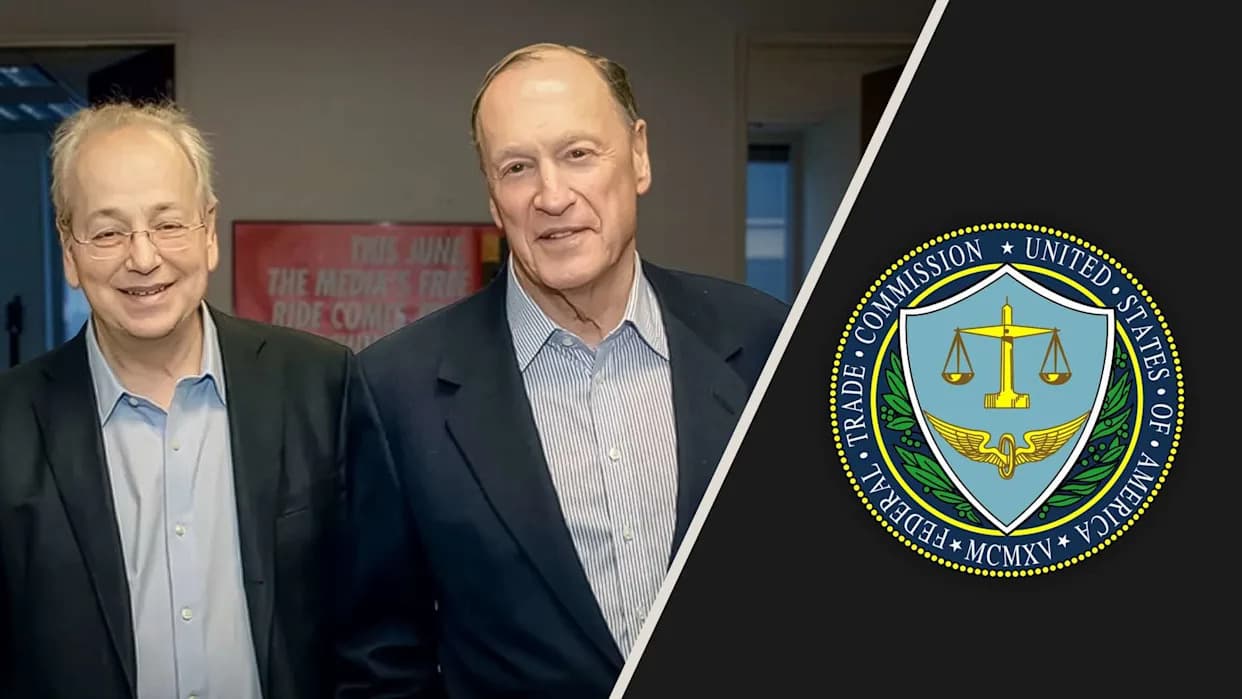
A First Amendment Lawsuit Challenges FTC Chairman Andrew Ferguson's Vendetta Against NewsGuard
NewsGuard, the private firm that rates the transparency and credibility of online news outlets, has filed a First Amendment lawsuit in U.S. District Court for the District of Columbia. The complaint accuses Federal Trade Commission Chairman Andrew Ferguson of using the FTC's investigative and merger-review powers to harass the company and chill its business relationships with advertisers.
Background
Founded in 2018 by former Wall Street Journal publisher L. Gordon Crovitz and journalist-entrepreneur Steven Brill, NewsGuard evaluates news sites by nine stated journalistic criteria covering transparency and credibility. Its subscribers include advertisers who consult the ratings for brand-safety decisions and millions of consumers who access ratings via browser tools.
What the Lawsuit Alleges
The complaint challenges two core FTC actions. First, a 21-page civil investigative demand (CID) served in May 2025 sought broad and sensitive material dating back to NewsGuard's founding, including memos, emails, reporter notes, subscriber lists, financial records, and documents showing rating methodologies. NewsGuard says the CID contained 31 specifications with numerous subparts and failed to identify any clear legal violation, leaving the company to guess at the agency's statutory basis.
Second, the suit faults an FTC merger consent order involving Omnicom Group and Interpublic Group. As a condition of approving that merger, the commission required the merged buyer to refrain from considering certain "political or ideological viewpoints" or relying on third-party journalistic standards when placing ads. NewsGuard says that restriction effectively barred Omnicom and affiliates from using its ratings and has already cost the company clients and revenue.
Legal Arguments and Precedent
Represented by the Foundation for Individual Rights and Expression (FIRE), NewsGuard contends its rating work is quintessential journalistic activity protected by the First Amendment. FIRE chief counsel Robert Corn-Revere argues that government demands for internal editorial materials and subscriber lists constitute unconstitutional retaliation and prior restraint.
NewsGuard's rating service is quintessential journalistic activity protected by the First Amendment, and the government has no legitimate role in trying to "un-bias" private expression.
The complaint relies on Supreme Court guidance from Moody v. NetChoice (2024), where the Court rejected government efforts to dictate the correct balance of private expression. It also points to recent federal rulings that enjoined similar civil investigative demands issued to Media Matters for America, where courts found indicia of retaliatory, bad-faith investigations.
FTC Chair Ferguson's Position
Ferguson, first as an FTC commissioner and later as chairman (appointed January 2025), has publicly criticized NewsGuard as biased against conservative outlets. In 2024 and 2025 he suggested the ratings could facilitate collusive ad boycotts that harm conservative and independent media. At an April 2025 antitrust conference he described agency investigatory powers as expensive and coercive tools that can pressure companies into compliance.
Context and Stakes
NewsGuard's filing notes that complaints from conservative outlets such as NewsMax — which has faced successful defamation suits and settlements related to 2020 election coverage — helped spur official scrutiny. The company stresses that whether NewsGuard is biased is legally irrelevant: the First Amendment forbids government from shaping or suppressing private speech, regardless of viewpoint.
NewsGuard asks the court to block the FTC's investigative demands and to declare the agency's conduct unconstitutional. The case raises broader questions about federal agency power where investigations intersect with journalistic activities and political controversy over perceived media bias.
Timeline (Key Dates)
- 2018: NewsGuard founded.
- Nov 2024: Ferguson, then an FTC commissioner, alleges NewsGuard may be facilitating ad boycotts.
- Jan 2025: Ferguson appointed FTC chairman.
- May 2025: FTC issues 21-page CID to NewsGuard.
- June 2025: Omnicom/Interpublic merger approved with consent condition restricting reliance on third-party journalistic ratings.
- NewsGuard files suit in D.C. federal court challenging the CID and consent order.
Potential Implications
If NewsGuard prevails, courts would reaffirm close limits on agency investigations that target journalistic work and potentially curb the FTC's use of broad CIDs when speech is implicated. If the FTC prevails, agencies may enjoy more leeway to request editorial and business information from media-rating organizations during enforcement or merger reviews — a development critics say could chill speech and journalistic independence.
Conclusion
The suit frames the dispute as both a narrow business injury and a broader First Amendment fight. Regardless of perceived ideological biases in NewsGuard's ratings, the case will test how far federal agencies may go when enforcement tools intersect with core journalistic activities.
Help us improve.