The capture of Nicolás Maduro highlighted a shift to a more assertive U.S. posture in the Western Hemisphere, labeled the “Donroe Doctrine.” The authors argue that granting Puerto Rico statehood is an immediate, practical step to strengthen national security because the island already serves as a strategic military and logistical hub—illustrated when Maduro was first transported to Aguadilla. Statehood would clarify legal authority, streamline military coordination, and extend equal veterans’ benefits, while reducing the strategic risks posed by territorial ambiguity or independence.
Why Puerto Rican Statehood Is a National-Security Imperative
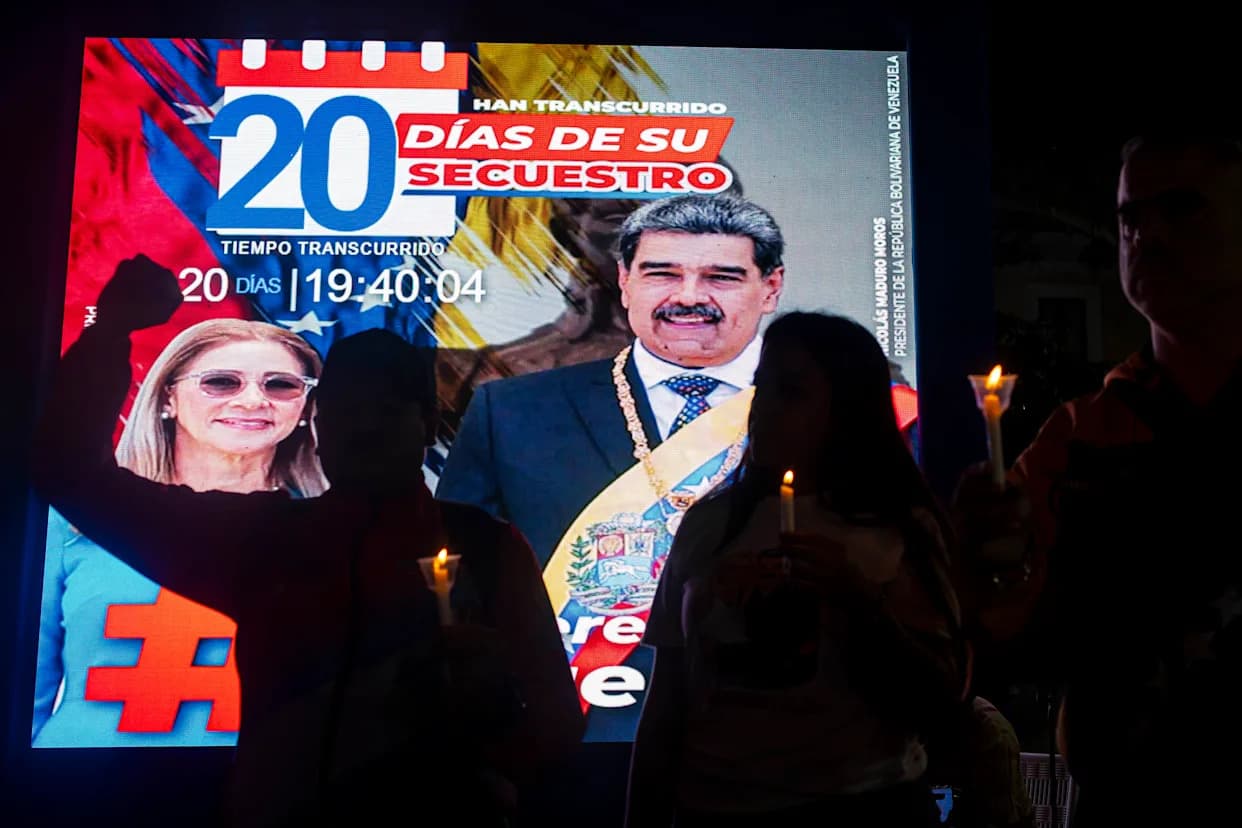
Last month’s bold capture of Venezuelan strongman Nicolás Maduro underscored a more assertive U.S. posture in the Western Hemisphere and the lengths the administration is willing to go to protect American security. Beyond removing a hostile regime, the operation sent a message across the region: tolerating cozy ties with adversaries and allowing lax immigration and drug-trafficking policies that harm Americans will no longer be accepted. The administration has labeled this shift the “Donroe Doctrine.”
Statehood As A Practical, Immediate Step
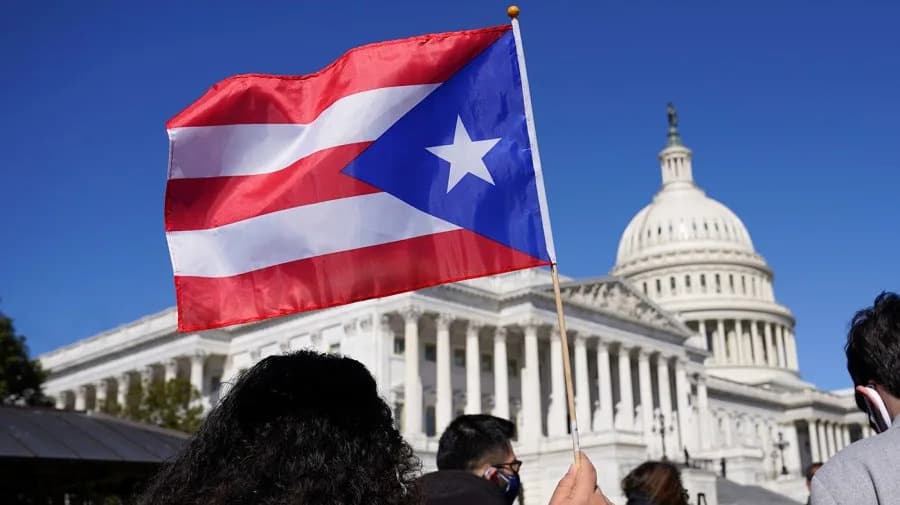
Committing to that vision requires a strategic reassessment of U.S. relationships across South America, the Caribbean and beyond. Given the geopolitical turbulence created by the move against Venezuela’s former regime, safeguarding U.S. national and economic security is essential. There is a practical and politically feasible step Congress and the White House can take without complex military operations or protracted diplomacy: granting statehood to Puerto Rico.
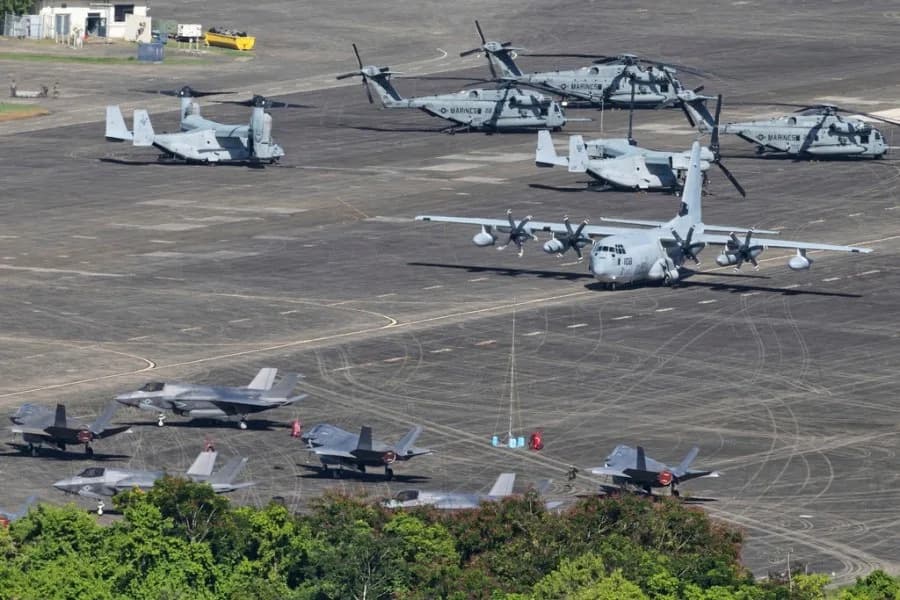
Puerto Rico’s Strategic Role
Puerto Rico’s ties to the United States date to policies rooted in the era of the Monroe Doctrine; the island was annexed under an extension of that foreign policy nearly 130 years ago. Since then, Puerto Rico has repeatedly proven its strategic value: it served as a major U.S. Navy hub during World War II and continues to contribute disproportionately high numbers of service members to the U.S. armed forces.
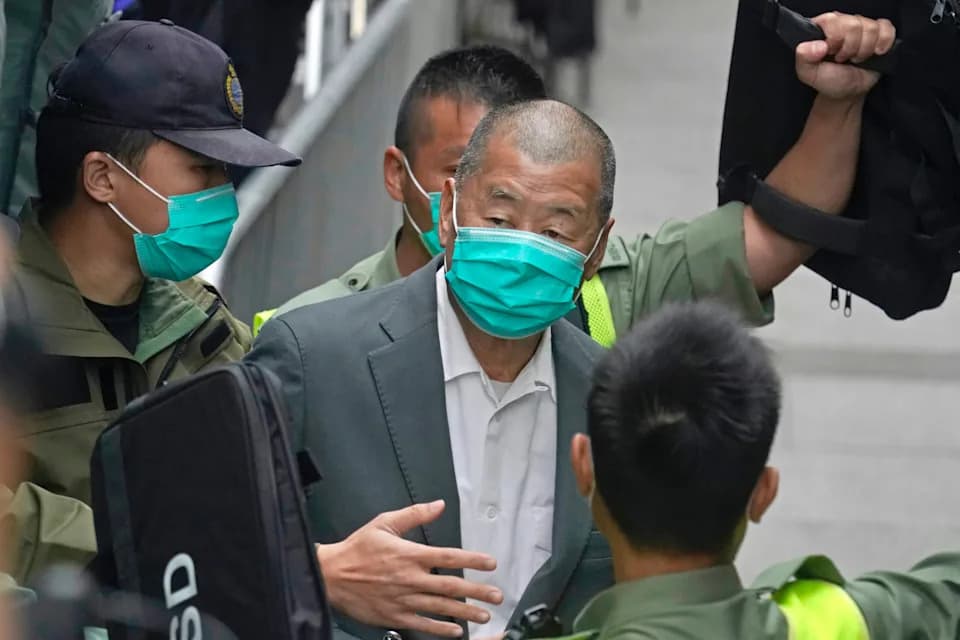
In recent months the island has been central to protecting America’s Caribbean border, acting as a base for ramped-up U.S. military activity in the region and serving as a launch point from which U.S. interests in the hemisphere are defended. During the Maduro operation, for example, he was transported first to the airport in Aguadilla before being moved to the United States to face trial.
Why Statehood Strengthens Security
Puerto Rico’s current territorial status creates legal and political ambiguities that can complicate military and interagency coordination. Granting statehood would place Puerto Rico on equal legal footing with states such as California and North Carolina that already serve as staging grounds for significant deployments. Statehood would provide clearer authority, streamline coordination among federal and local agencies, and ensure fuller access to federal resources for defense and emergency operations.
If regional tensions escalate and global powers like China or Russia intervene on behalf of allies in Latin America, the United States cannot afford disjointed command or unclear jurisdiction in the Caribbean. Recent disruptions — from commercial shipping impacts to temporary air-traffic halts following the Venezuela operation — show the economic as well as security stakes involved.
Political and Human Considerations
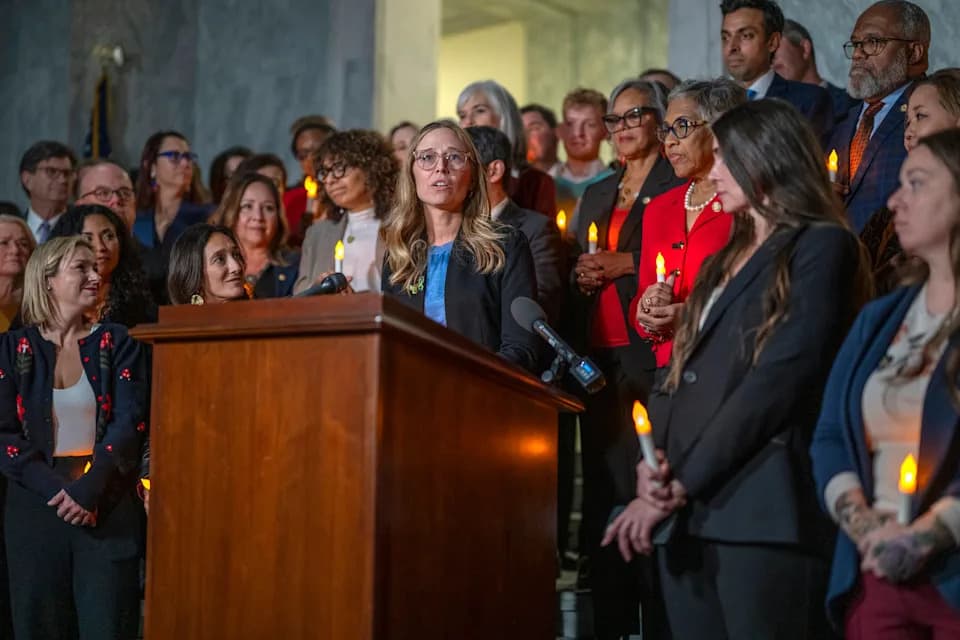
When Puerto Ricans are asked at the ballot box, statehood has emerged as the most popular option. In the island’s most recent plebiscite in fall 2024, voters overwhelmingly favored joining the union. Statehood would also equalize benefits for thousands of Puerto Rican veterans who have served the United States, ensuring they receive the same access to federal veterans’ benefits as mainland veterans.
Conversely, if the independence movement were to prevail, the United States could lose a strategically vital foothold in the Caribbean — a development the authors argue would be damaging to national defense and hemispheric operations.
Conclusion
As the administration advances a more forceful regional posture and signals potential future actions against adversaries in the hemisphere, policymakers should reassess immediate, nonmilitary measures that strengthen U.S. security. Granting Puerto Rico statehood is a concrete, politically achievable step that would enhance military coordination, protect American interests in the Caribbean and honor the service of Puerto Rican veterans.
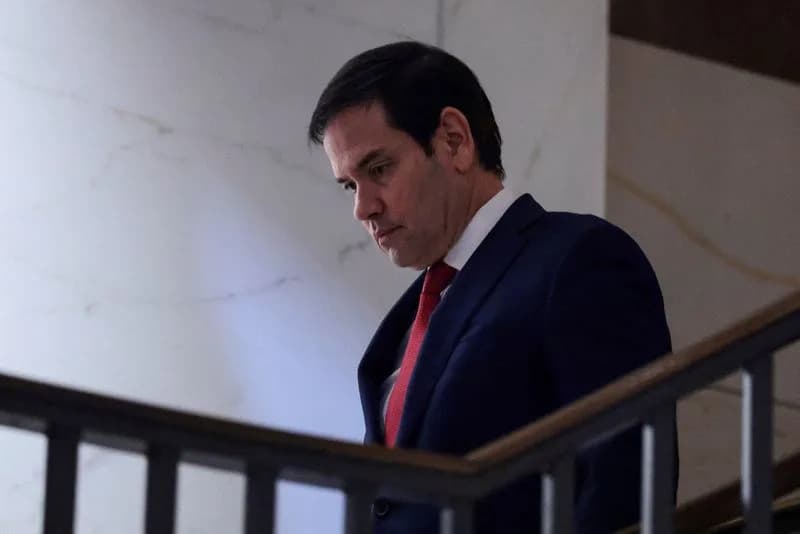
Authors: Cesar Conda served as Senator Marco Rubio’s first chief of staff in the U.S. Senate, is a founding principal of Navigators Global and an advisor to the Puerto Rico Statehood Council. General Thomas Trask was vice commander of Headquarters, U.S. Special Operations Command and is a senior adviser with Navigators Global Security and Defense.
Help us improve.